


Japandi Color Scheme x Earth Tone Palette Interior Tips for Each Room Part 2
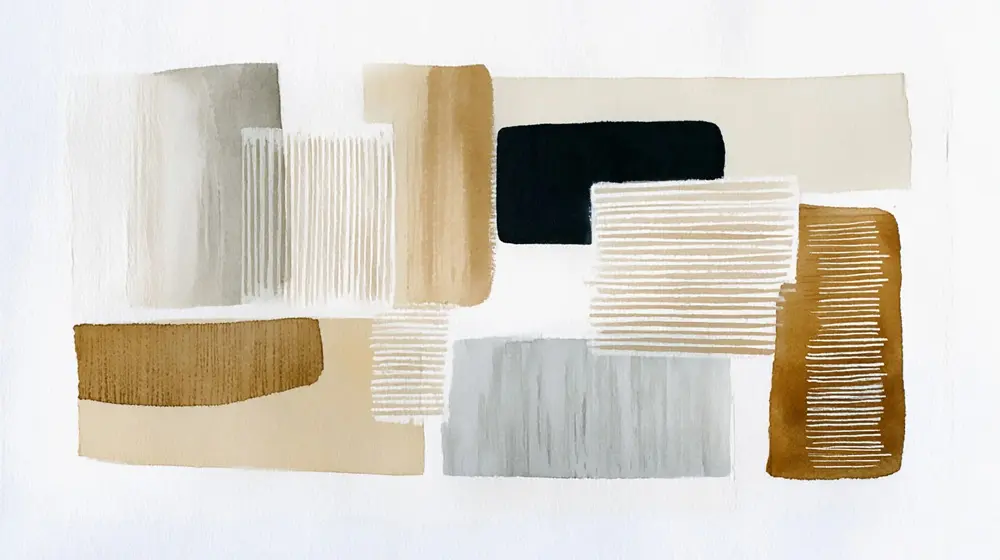
With a clear understanding of earth tone palettes and how to layer them for depth and harmony in Part 1, the next step is applying these principles to individual spaces. Each room in a Japandi home can express its own mood and function while remaining cohesive, using walls, furniture, textiles, and accents to balance colors, textures, and light. Part 2 brings the principles from Part 1 into practical context by featuring a living room, bedroom, kitchen, bathroom, and kids' room, illustrating how Japandi earth tones can be thoughtfully expressed throughout the home.
Room-by-Room Japandi × Earth Tone Design Examples
Each room in a Japandi home can showcase earth tones in unique ways, blending color, texture, and light to create harmony and serenity.
Japandi Living Room
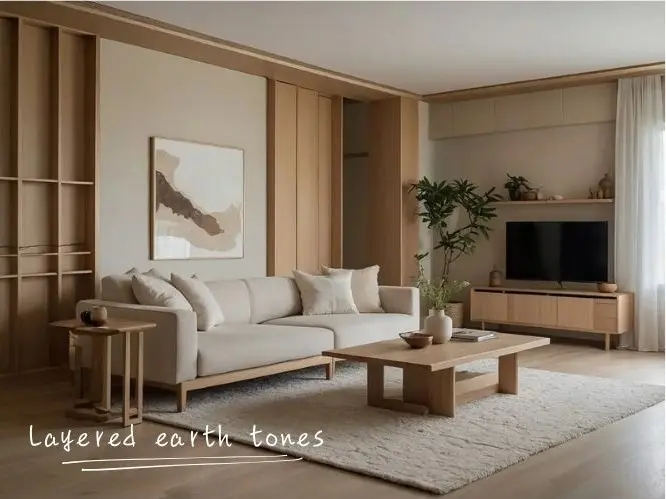
The living room is a key space to express layered earth tones through furniture, textiles, and decorative accents. Walls in warm or muted shades create a calm foundation, while sofas, cushions, and rugs in complementary tones add depth. Wooden furniture, rattan elements, and low-profile tables enhance the tactile experience, while indoor plants and ceramic vases introduce subtle organic contrast. By blending multiple earth tones thoughtfully, the living area feels grounded yet lively, perfect for both relaxation and social interaction.
Japandi Bedroom
In bedrooms, earth tones support restfulness and comfort. Walls in taupe or clay provide a neutral backdrop, while bedding, blankets, and curtains in soft green, muted blush, or sandy shades layer warmth and visual interest. Furniture with natural finishes, such as oak or walnut, harmonizes with the muted color scheme, while gentle lighting ensures that the palette's tone and saturation remain soothing. By coordinating colors and textures, the bedroom becomes a serene sanctuary.

Japandi Kitchen
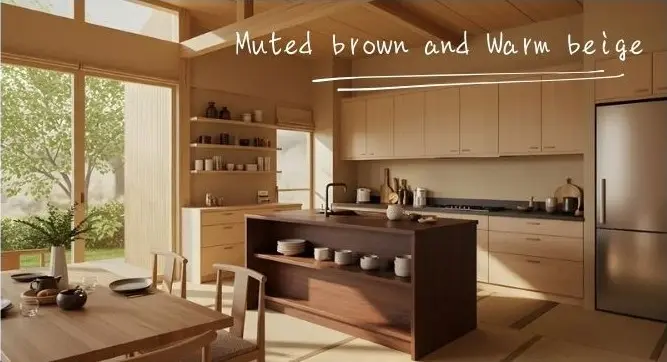
Kitchen palettes benefit from earth tones that balance functionality and aesthetics. Wooden cabinets in warm beige or muted brown pair with stone countertops or sand-colored tiles for a natural, tactile experience. Open shelving with handmade ceramics in complementary earth hues enhances authenticity and aligns with Japandi craftsmanship principles. Introducing subtle green accents — from plants or dishware, creates a fresh, vibrant balance, while maintaining the calm, neutral foundation.
Japandi Bathroom
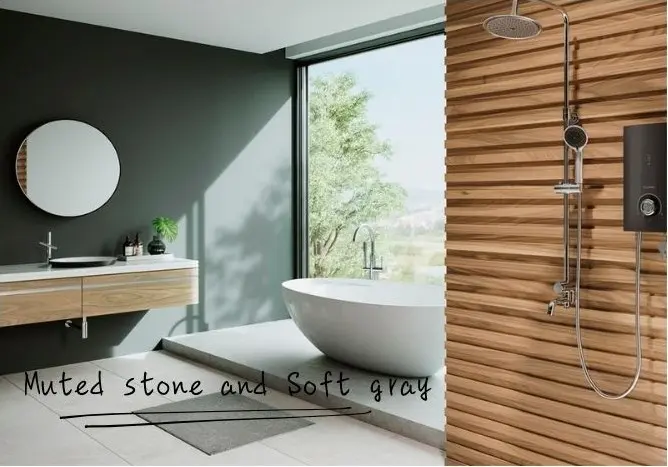
Earth tones in bathrooms evoke spa-like tranquility. Walls and tiles in muted stone, sand, or soft gray form a serene backdrop, while wooden accessories, textured towels, and ceramic vessels reinforce natural warmth. A soft, neutral earth tone palette works well here, reflecting light, creating an airy and open ambiance. Balanced lighting, both natural and warm artificial, ensures the subtle color gradations remain harmonious and soothing.
Japandi Kids Room
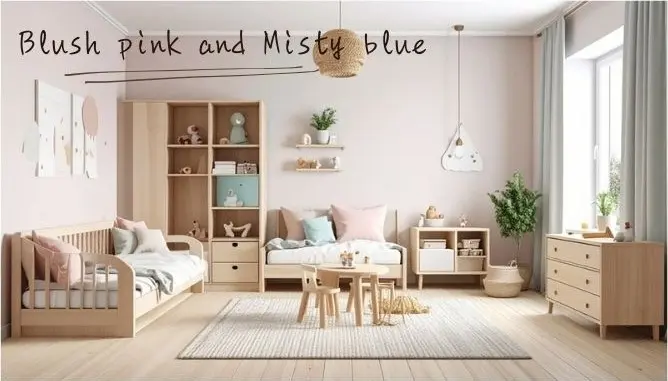
A Japandi kids room embraces pastel earth tones to create a soft, nurturing space filled with warmth and light. Hues like blush pink, misty blue, and muted beige offer a calm, non-distracting backdrop that encourages both play and rest. Light wood furniture and natural textures—such as cotton bedding, woven baskets, and a plush rug—add tactile comfort and a sense of grounded simplicity. Accents in soft mint or terracotta bring gentle contrast while maintaining cohesion. The result is a soothing, airy environment that feels both timeless and child-friendly, blending Scandinavian practicality with Japanese serenity.
Key Points of Japandi and Earth Tone Palette Combinations
With room-specific applications in mind, the next step is learning how to use earth tones strategically across your home. Key considerations such as color proportion, tone, and lighting will guide you in creating spaces that feel cohesive, layered, and effortlessly serene.

Number of Colors in the Palette
Japandi interiors thrive on restraint. Limiting palettes to three to five complementary earth tones preserves harmony and ensures the space feels intentional rather than chaotic. A dominant color establishes the foundation, secondary tones support key areas, and an accent color can punctuate focus points or architectural details without overwhelming simplicity. By balancing dominant, secondary, and accent tones, multiple earth tones can coexist gracefully. The result is a Japandi interior that feels cohesive, sophisticated, and inherently connected to nature, without ever feeling busy or chaotic.
Proportion and Area Usage
Proper balance in proportion is essential for visual harmony. The dominant tone should cover roughly 50–60% of the space — often on walls, floors, or large furniture pieces. Secondary tones can account for 20–30% through furniture, textiles, or cabinetry, while accent shades occupy the remaining 10–20%, appearing in decor, cushions, or small surfaces. This measured approach ensures that colors work in concert with materials and lighting, maintaining the natural, calm aesthetic central to Japandi interiors.
Harmony of Natural Light, Lighting, and Colors
Lighting is the element that completes every Japandi color scheme. In this style, natural and artificial lighting are not separate layers but partners that reveal the full character of tone and texture.
Natural light should be maximized through wide windows or sheer fabrics to let soft shadows highlight the subtle gradation of earth tones. As the day shifts, warm, diffused lighting takes over to preserve the palette's gentle mood.
Choose lighting around 2700–3000K for a warm glow that harmonizes with muted colors such as clay, taupe, and sage. Avoid cool white lights, which can wash out organic hues and textures.
When light and color move together in balance, a Japandi space feels neither dim nor stark, but naturally serene, a quiet dialogue between brightness, material, and warmth.
A Home Connected Through Earth Tones

Designing with Japandi earth tones is ultimately about creating a home that feels connected—each room flowing naturally into the next while expressing its own purpose and mood. By applying palettes with intention, balancing tones through furniture and materials, and working closely with natural light, you can create a Japandi home that feels grounded, serene, and timeless.
*Some of the images featured in this article were created using generative AI.