


Japandi Style and the Spirit of Wabi-Sabi: The Harmony of Style and Philosophy
- Japandi vs Wabi-Sabi: Understanding Style and Philosophy
- What is Wabi-Sabi? A Philosophy Rooted in Nature and Authenticity
- What is Japandi Style? A Balance of Scandinavian and Japanese Design
- The Role of Wabi-Sabi in Japandi Design
- Applying Wabi-Sabi Principles in Japandi Interiors
- Bringing Style and Philosophy into Harmony

In today's fast-paced world, the home has become more than a place to rest—it is a sanctuary for mental clarity and emotional balance. This shift has led to a growing global appreciation for Japanese-inspired design principles that emphasize simplicity, natural materials, and mindful living.
Among the most frequently discussed concepts are Japandi and Wabi-sabi. Japandi is an interior design style, while Wabi-sabi is a traditional Japanese philosophy. Japandi is a contemporary interior design style, developed through the dialogue between Scandinavian and Japanese aesthetics. Wabi-sabi, however, is not a style. It is a long-standing Japanese philosophy—one that recognizes beauty in imperfection, impermanence, and natural aging.
Understanding this distinction allows us to approach both concepts with greater cultural awareness and design sensitivity. When thoughtfully combined, Japandi provides the framework for a serene space, while Wabi-sabi enriches it with depth and meaning.
Japandi vs Wabi-Sabi: Understanding Style and Philosophy
Although both Japandi and Wabi-sabi are rooted in Japanese aesthetics, they represent different aspects of design and philosophy. Japandi is a contemporary design style that focuses on visual composition, spatial balance, clean lines, and functional clarity. It represents a structured approach to creating calm and harmonious interiors.
Wabi-sabi, on the other hand, is a traditional Japanese philosophy that influences how beauty is perceived. It is not a design style, but a way of seeing value in imperfection, impermanence, and the natural aging of materials. Its influence extends beyond interiors, shaping cultural practices such as tea ceremony, architecture, and craftsmanship.
When these distinctions are understood, their relationship becomes clear. Japandi may visually reflect principles that resonate with Wabi-sabi, but Wabi-sabi itself exists beyond styling. It is a mindset that appreciates natural processes and quiet transformation, enriching design with depth and meaning.
What is Wabi-Sabi? A Philosophy Rooted in Nature and Authenticity
Wabi-sabi is a centuries-old Japanese philosophy that shapes how beauty is perceived. It is closely associated with tea aesthetics refined by figures such as Sen no Rikyu, who emphasized humility, simplicity, and the quiet dignity of imperfection.
Unlike a style that can be replicated, Wabi-sabi is a mindset that values the passage of time and the authenticity of materials.

The Beauty of Imperfection in Everyday Life
Wabi-sabi recognizes beauty in what is imperfect, impermanent, and incomplete. A ceramic bowl with subtle asymmetry, a wooden surface softened by years of use, or a faded textile bearing traces of sunlight are not flaws to conceal, but signs of life and time.
A well-known expression of this philosophy is kintsugi—the traditional Japanese practice of repairing broken pottery with lacquer mixed with gold powder. Rather than disguising cracks, kintsugi highlights them, transforming damage into a defining feature. The object becomes more meaningful through repair, carrying its history with quiet dignity. In this way, restoration is not about returning to an original state, but about honoring transformation.
Wabi-sabi invites acceptance of natural cycles: growth, weathering, and renewal. It encourages an appreciation for authenticity over artificial perfection, and for materials that evolve gracefully rather than remain untouched.
Embracing Raw Textures and Organic Materials
In interiors, the spirit of Wabi-sabi is expressed through materials that retain their natural character and integrity. Unrefined stone with visible mineral variation, hand-applied textured plaster, weathered timber marked by grain and knots, and handmade ceramics with uneven glaze all introduce depth and tactility to a space. Their surfaces respond gently to light, revealing subtle nuances throughout the day.
These elements create grounded, lived-in environments that feel calm rather than curated. Instead of pursuing flawless finishes or strict uniformity, Wabi-sabi welcomes irregularity. A slightly uneven edge, a tonal shift in clay, or the softened patina of wood becomes part of the material's narrative. Over time, these surfaces continue to evolve, quietly reflecting daily life and natural aging.
Layering organic materials also enhances sensory balance. Matte textures absorb light and reduce visual glare. Natural fibers such as linen and cotton introduce softness, while stone and solid wood provide structural weight. Together, they establish harmony through contrast—refined yet honest, simple yet deeply expressive.
What is Japandi Style? A Balance of Scandinavian and Japanese Design

Japandi emerged from shared values between Scandinavian and Japanese design cultures. Though geographically distant, both traditions value craftsmanship, simplicity, and respect for materials.
Rather than a dramatic fusion, Japandi represents a thoughtful balance between two design cultures. Scandinavian interiors contribute warmth, comfort, and everyday functionality, while Japanese design emphasizes spatial clarity, restraint, and harmony with nature.
When these influences come together, the result is an interior style that feels calm, practical, and quietly refined. Japandi spaces prioritize quality over quantity, allowing carefully chosen materials, textures, and forms to shape an environment that supports both modern living and long-term comfort.
The Role of Wabi-Sabi in Japandi Design
Japandi defines the structural framework of a home—the clean lines, balanced proportions, and functional clarity that give a space order and composure. Wabi-sabi layers softness and depth onto this framework, embracing irregularities, natural textures, and the passage of time. This interplay adds individuality and a quiet sense of calm, enriching the minimalist space without overwhelming it.

Applying Wabi-Sabi Principles in Japandi Interiors
By incorporating elements of Wabi-sabi into a Japandi space, natural softness and warmth are added to the refined lines and balanced proportions, creating a more comfortable and tranquil environment. Within this framework, Wabi-sabi brings texture, subtle irregularities, and a sense of natural evolution, enhancing the home's calm, grounded, and authentically lived-in atmosphere. The following principles offer practical ways to subtly integrate this philosophy into everyday spaces.
Adding Depth Beyond Interior Aesthetics
A well-composed Japandi interior may appear complete in its restraint, yet true depth emerges when natural irregularities are incorporated thoughtfully. A clean oak dining table gains warmth when paired with handcrafted ceramics that reveal subtle asymmetry. Linen textiles soften neutral interiors, adding tactility and gentle movement. Textured plaster or weathered wood tempers smooth surfaces, creating layers of visual and sensory interest. These elements are not decorative contrasts; they are reminders that a home is lived in, shaped by daily life and natural cycles.

Choosing Materials that Age Beautifully
A harmonious interior begins with selecting materials that develop character over time. Solid wood, natural stone, breathable textiles, and metals with living finishes evolve gracefully, gaining subtle depth while maintaining durability. Their natural variation and patina contribute to a timeless aesthetic, revealing beauty gradually through use and care.
Consider how these materials interact with light, texture, and space. Soft, matte surfaces create a serene atmosphere, while natural tones provide continuity and a sense of grounding. By focusing on materials that age well and complement one another, the foundation for a calm, enduring interior is established.

Selecting Timeless Furniture and Decor with a Wabi-Sabi Perspective
Selecting timeless furniture is one way to express the spirit of Wabi-sabi within a Japandi interior. Rather than following short-lived trends, Wabi-sabi encourages an appreciation for objects that endure—pieces that grow more meaningful as they age and accompany everyday life.
Timeless furniture prioritizes proportion, craftsmanship, and function over ornamentation. Clean lines and balanced silhouettes allow pieces to integrate seamlessly into evolving interiors without appearing dated. Rather than filling a room with numerous items, select fewer well-considered pieces that support comfort and daily life.
Thoughtful arrangement is equally important. Furniture should allow natural circulation and visual clarity, with sufficient negative space so that each element can breathe. Curated decor—such as a handcrafted ceramic, a textured linen throw, or a modest plant, adds warmth without overwhelming the space. When every piece is intentional and thoughtfully positioned, the home feels lighter, more breathable, and conducive to calm, focused living.

Expressing Wabi-Sabi Through Subtle Details
Restraint is key to strengthening Wabi-sabi expression in a Japandi space. Select carefully crafted pieces that carry lasting value.
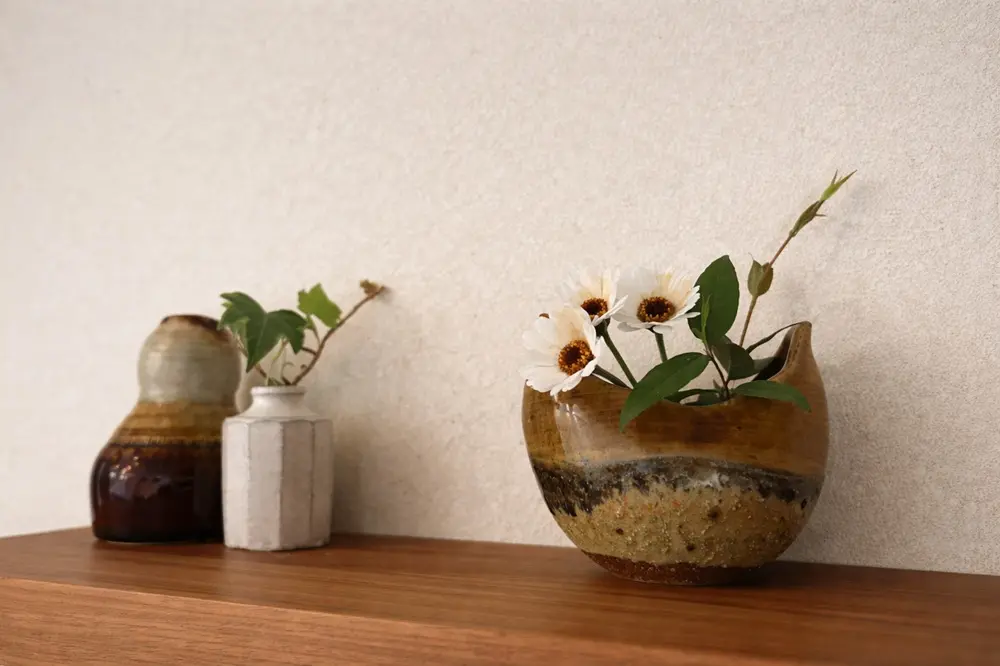
Incorporate handcrafted pieces, such as ceramics with subtle variations in shape or glaze, or a single artisanal vase that serves as a focal point. Introduce texture through natural elements like linen cushions, woven baskets, raw-edged wooden trays, or plaster surfaces to create quiet contrast within clean-lined interiors.
Allow select materials, such as solid wood or brass hardware, to develop natural patina over time instead of replacing them prematurely. This gentle evolution adds character and authenticity.
By prioritizing craftsmanship, texture, and intentional placement, Wabi-sabi is expressed not through abundance, but through subtle refinement and enduring presence.
Bringing Style and Philosophy into Harmony

Japandi offers clarity, balance, and functional beauty—qualities well suited to modern living. Wabi-sabi adds emotional depth, encouraging an appreciation for imperfection and the passage of time.
Together, they create interiors that are not only minimal, but meaningful. Spaces become more than visually pleasing, they support daily life with quiet comfort, authenticity, and lasting relevance.
*Some of the images featured in this article were created using generative AI.