

Modern Interior Design Trends and Styling Tips for 2026
Modern interior design continues to evolve, seamlessly blending timeless elegance with contemporary innovation. In 2026, interiors are increasingly defined by comfort, simplicity, and sustainability, while allowing homeowners to express their unique personality touches. From compact apartments to family homes, modern design provides versatile solutions that balance functionality with aesthetic appeal. In this article, we explore the key modern interior design styles emerging this year and share practical tips to bring them to life in your living spaces.
What Are Modern Interior Design Styles?
Modern interior design is characterized by clean lines, uncluttered layouts, and a focus on functional beauty. Its origins are deeply rooted in early 20th-century design movements, notably the Bauhaus school and Scandinavian minimalism. Founded in Germany in 1919, Bauhaus championed the integration of art, craft, and technology, advocating that every design element should serve a practical purpose while maintaining visual harmony. This philosophy of "form follows function" continues to shape modern furniture, architecture, and interior layouts to prioritize utility without compromising elegance.
Over time, modern interiors have evolved to incorporate warmth, texture, and natural elements, reflecting a growing desire for spaces that feel both stylish and comfortable. What makes modern design particularly appealing is its adaptability—it can transform a compact apartment into a serene sanctuary or create a refined yet welcoming atmosphere in a larger home. In 2026, the modern aesthetic leans toward sustainable materials, muted color palettes, and thoughtful, intentional choices. The result is a style that embodies calm, balance, and timeless sophistication.
Modern Interior Design Trends to Watch in 2026
Several modern interior design styles are shaping the landscape in 2026, each offering distinct personality, historical influences, and approaches to living spaces. While these styles are familiar, they continue to evolve to meet the needs of today's homes. This article highlights how these well-known design aesthetics have been refreshed for 2026, embracing sustainability, natural materials, and design that prioritizes comfort and ease of use.
Mid-Century Modern Interior Design
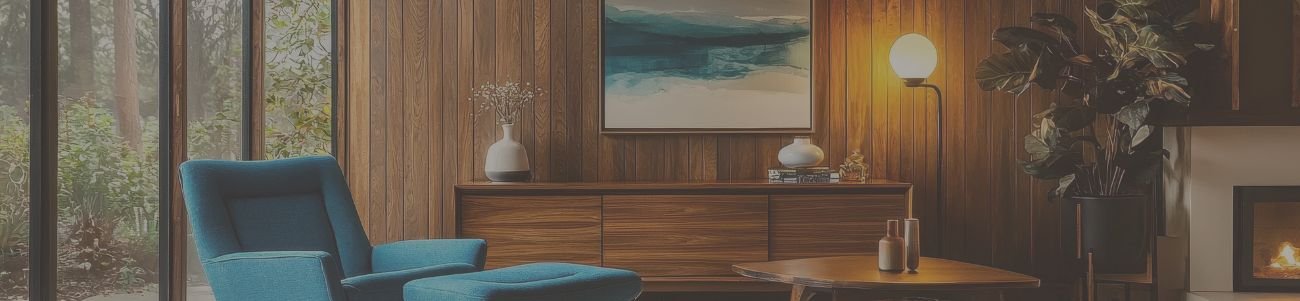
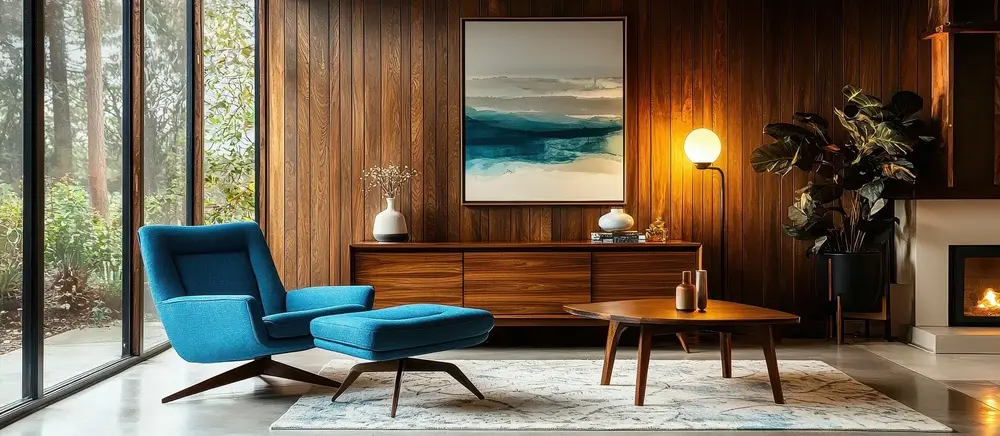
Mid-Century Modern remains a timeless favorite, its aesthetic deeply influenced by Bauhaus principles. Characterized by functional elegance, geometric forms, and minimal ornamentation, this style emphasizes open layouts and a strong connection to natural light. While the original mid-century modern era often showcased vivid hues such as orange and turquoise, recent interpretations have shifted toward earthier, more subdued palettes—reflecting today's preference for naturalness and calm. Iconic furniture pieces, including low-profile wooden tables and Eames-inspired chairs—echoing the pioneering work of Charles and Ray Eames with their molded plywood and ergonomic silhouettes—blend effortlessly with these warmer, grounded tones. In 2026, mid-century modern interiors are increasingly paired with layered textures, cozy textiles, and curated artwork to soften their architectural precision, making spaces feel inviting as well as stylish.
Organic Modern Interior Design
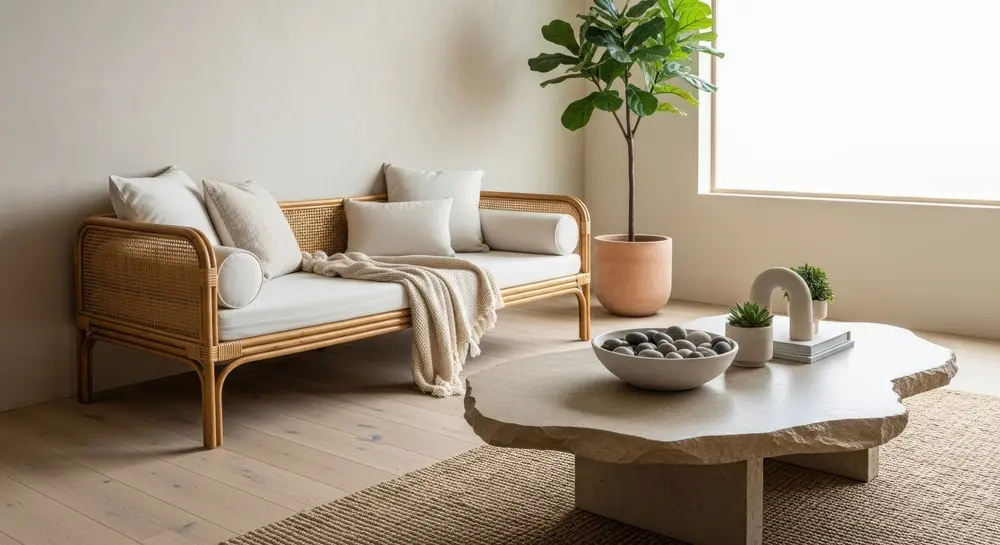
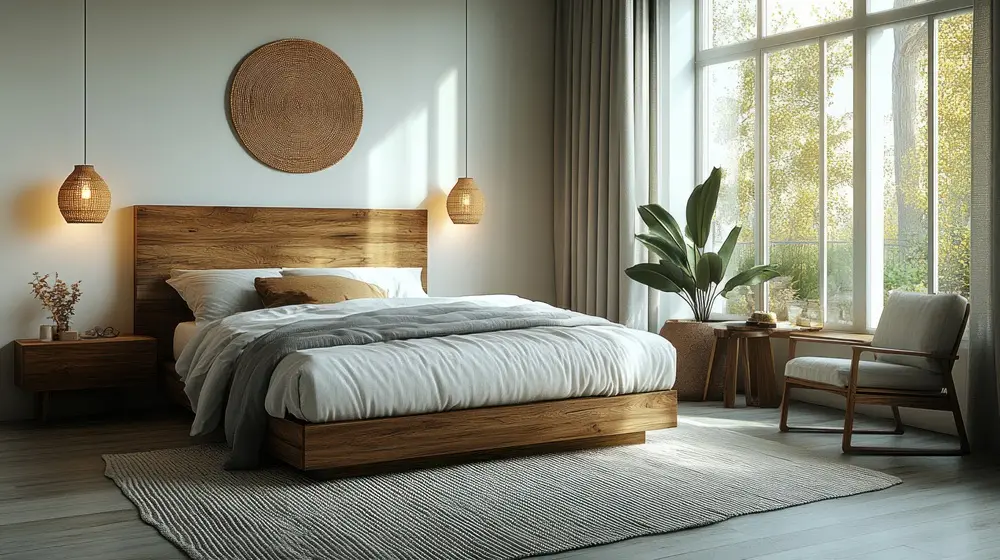
Organic Modern design emphasizes fluidity, natural forms, and a deep connection to the natural world. Its calming aesthetic is shaped by a soft, nature-inspired color palette—warm neutrals, muted greens, and gentle earth tones that echo organic landscapes. Clean-lined furnishings and subtle curves balance minimalism with warmth, while natural materials such as wood, stone, and woven textures introduce tactile richness. Indoor greenery, small rock elements, and thoughtfully layered lighting reinforce a sense of serenity, blurring the boundary between indoors and outdoors. In 2026, the style continues to prioritize sustainability, favoring responsibly sourced materials and designs that cultivate harmony, well-being, and restorative simplicity.
Modern Farmhouse Interior Design
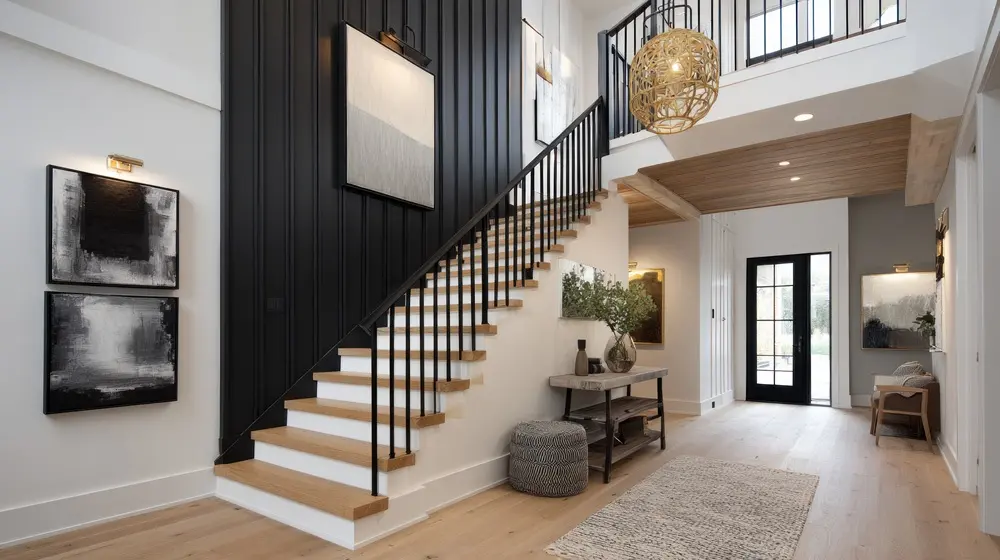
Modern Farmhouse blends rustic charm with contemporary refinement, offering warmth without compromising elegance. Open layouts, neutral palettes, and reclaimed wood elements encourage social interaction and family gatherings. In 2026, modern farmhouse interiors are evolving to include industrial accents, minimalist storage solutions, and multifunctional furniture. Farmhouse-style tables, and vintage-modern hybrid décor create spaces that feel both authentic and practical. These interiors highlight comfort while maintaining a clean, curated aesthetic that appeals to modern homeowners.
Modern Rustic Interior Design
Modern Rustic celebrates texture, craftsmanship, and the beauty of natural materials. Interiors feature elements like stone accent walls, timber furniture, leather upholstery, and woolen textiles, often in earthy shades of browns, charcoals, and muted greens. In 2026, modern rustic spaces are designed to blend rugged authenticity with refined comfort. Layered rugs, statement fireplaces, and handmade décor pieces add tactile richness, while careful attention to lighting and layout ensures that the spaces remain warm, functional, and visually compelling.
Modern Contemporary Interior Design
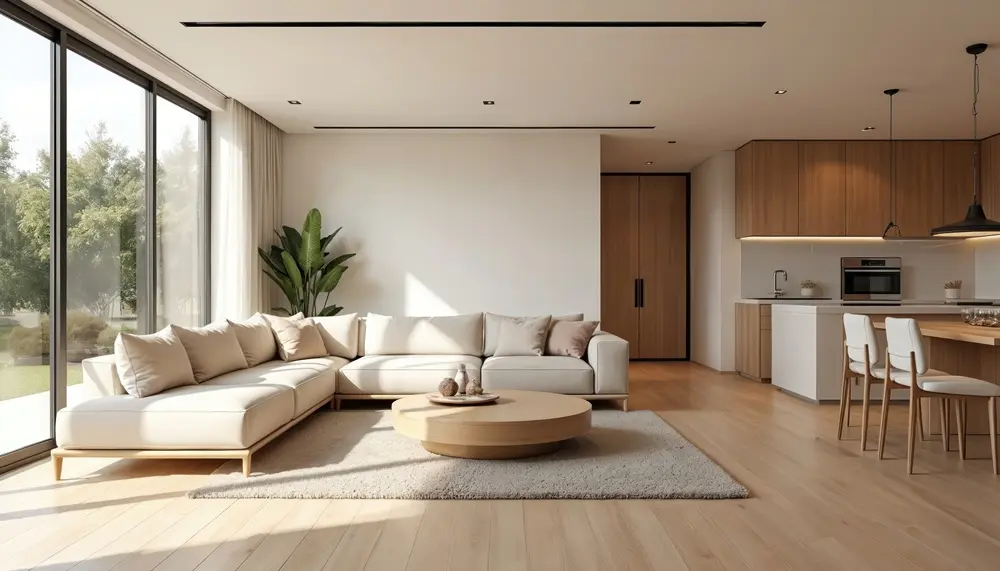
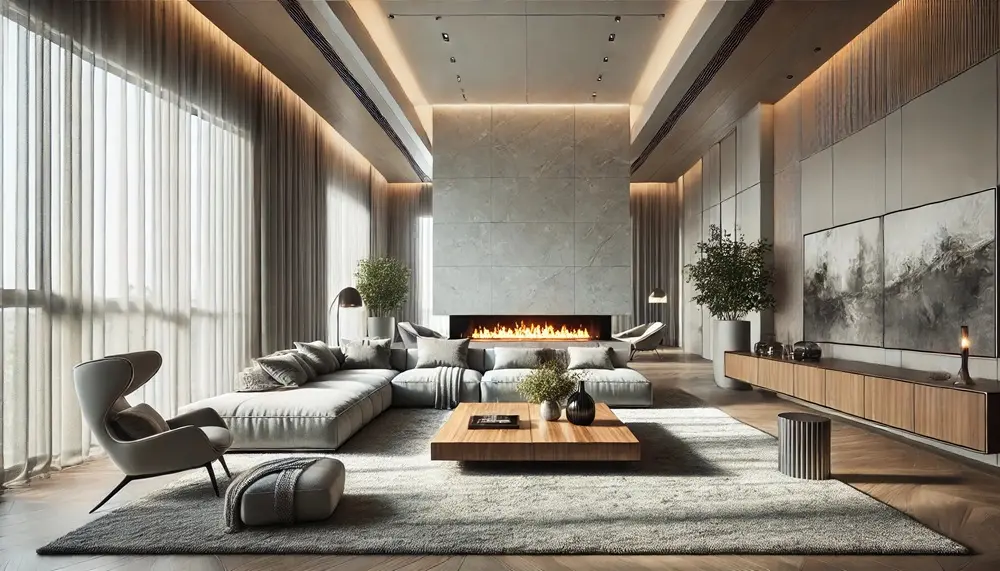
Modern Contemporary epitomizes minimalism and sleek sophistication. Uncluttered layouts, clean lines, and functional elegance define the space, often enhanced by integrated smart home technology. In 2026, this style often integrates smart home technology, modular furniture, and adaptable lighting solutions to support modern lifestyles. Monochromatic neutrals, blacks, and whites are complemented by glass, metal, polished concrete, and engineered wood. Rooted in early 20th-century Bauhaus principles—which championed clean geometry and the idea that form should follow function, this approach celebrates simplicity and purposeful design. Modern adaptations introduce warmth through soft textiles, layered textures, and subtle decorative accents, making contemporary spaces feel both practical and inviting.
Japandi Style Interior Design: 2026 Favorite
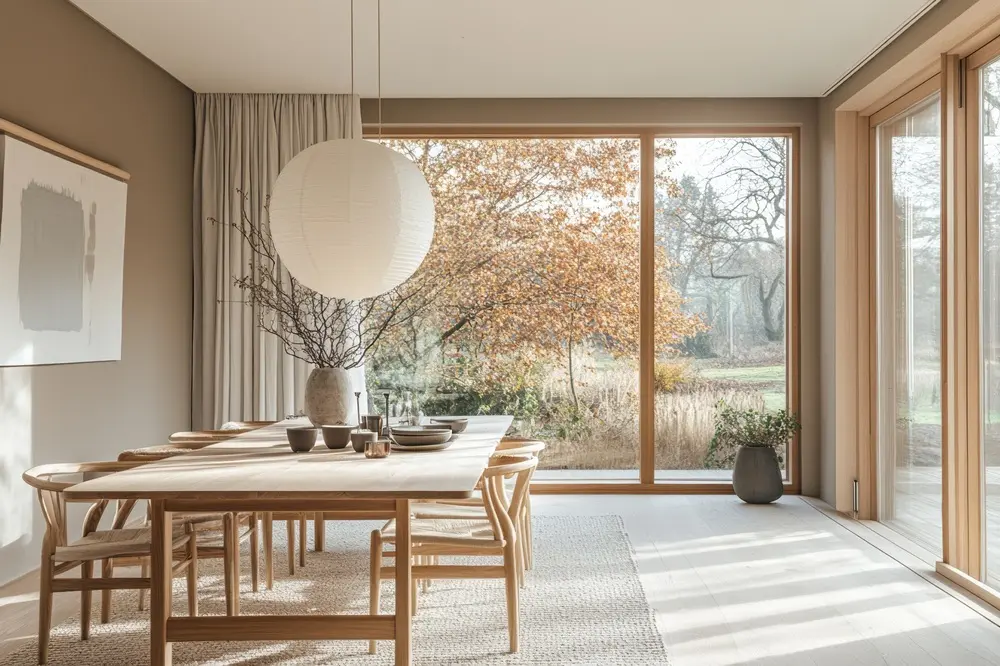
Japandi continues to gain global attention as a key interior trend for 2026. By harmoniously blending Japanese minimalism with Scandinavian warmth, Japandi interiors emphasize natural materials, muted earthy tones, and functional furniture that supports a calm and uncluttered lifestyle. Low-profile wooden pieces, tatami-inspired rugs, and neutral palettes with muted greens, browns, and ochres dominate the aesthetic. Thoughtful arrangements, balanced symmetry, and multifunctional storage solutions create spaces that are serene yet practical. This style resonates with homeowners seeking interiors that foster mindfulness, simplicity, and comfort.
For a deeper exploration of Japandi design, see the guide to Japandi style.
Modern Interior Design Trends and Styling Tips for 2026
The living room is the heart of the home and the perfect canvas for expressing modern interior design styles. It is where comfort meets creativity, allowing homeowners to showcase personality through furniture, color, texture, and layout choices. Thoughtful styling in this space sets the tone for the rest of the home, making it both inviting and functional. In 2026, living rooms are increasingly defined by a balance of minimalism and warmth, the use of natural and sustainable materials, and flexible layouts that adapt to both relaxation and social gatherings.
Mid-century Modern Living Room
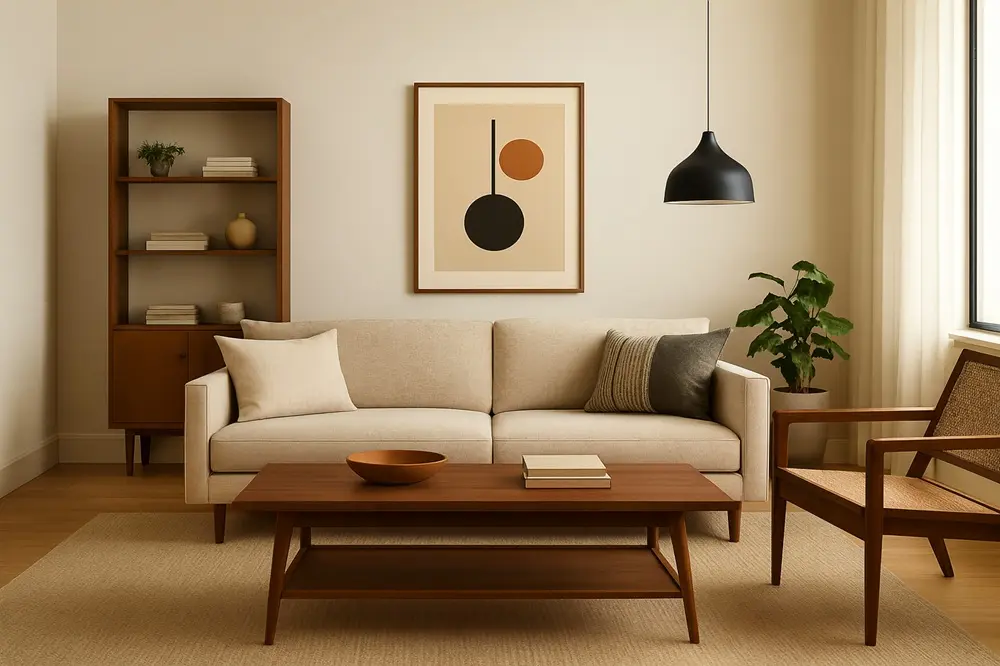
Mid-century modern living rooms feature open shelving, minimalist artwork, and statement lighting. Open shelving and minimalist artwork highlight Bauhaus-inspired simplicity, while low-profile sofas and wooden coffee tables create a balanced, functional space. This style works well with multifunctional furniture such as storage benches or sideboards, keeping clutter at bay while maintaining style.
Symmetrical layouts and clear sightlines promote harmony, and 2026 trends encourage layering textures with soft rugs, throws, and curated décor to make the space inviting. Mini renovations like swapping cabinet handles for brass hardware or replacing heavy curtains with sheer linen can refresh the room effortlessly, while open shelves can be styled with baskets or decorative items to combine functionality with visual appeal.
Organic Modern Living Room
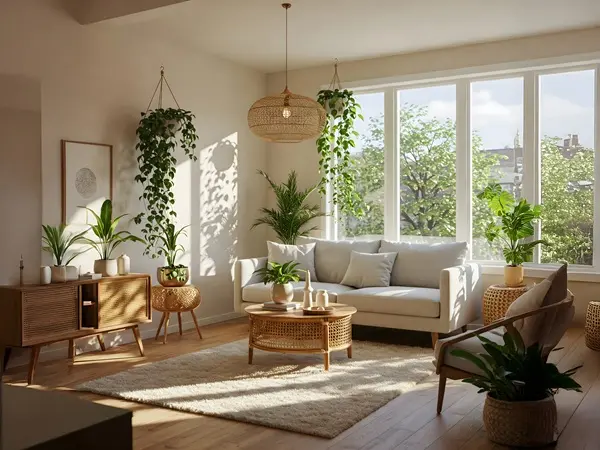
Organic modern living rooms focus on calm and natural beauty. Rounded furniture, soft textiles, and indoor plants bring the outdoors in, while wooden side tables and woven rugs add warmth and tactility.This style works best when you maximize natural light, use breathable layouts, and create cozy spots for conversation near windows or plants.
Furniture such as curved sofas, timber side tables, and natural-fiber rugs complement this relaxed aesthetic. For 2026, introduce a more contemporary edge through thoughtfully chosen art and lighting, elements that elevate the space without overwhelming its simplicity. Keeping surfaces clear and the overall palette grounded further enhances the room's comfortable and visually soothing atmosphere.
Modern Farmhouse Living Room
Modern farmhouse living rooms strike a balance between comfort and refinement. Reclaimed wood cabinets, farmhouse-style coffee tables, and sofas with removable slipcovers create a welcoming, family-friendly environment. Open layouts encourage interaction, and subtle renovations such as adding shiplap feature walls, industrial light fixtures, or streamlined storage modernize the classic farmhouse look.
Using durable fabrics and engineered hardwood floors can encourage longevity, while arranging seating around a fireplace or media console anchors the space visually. Mini adjustments like replacing bulky furniture with storage benches or organizing items in rustic baskets make the room feel airy and approachable, combining vintage charm with modern practicality.
Modern Rustic Living Room
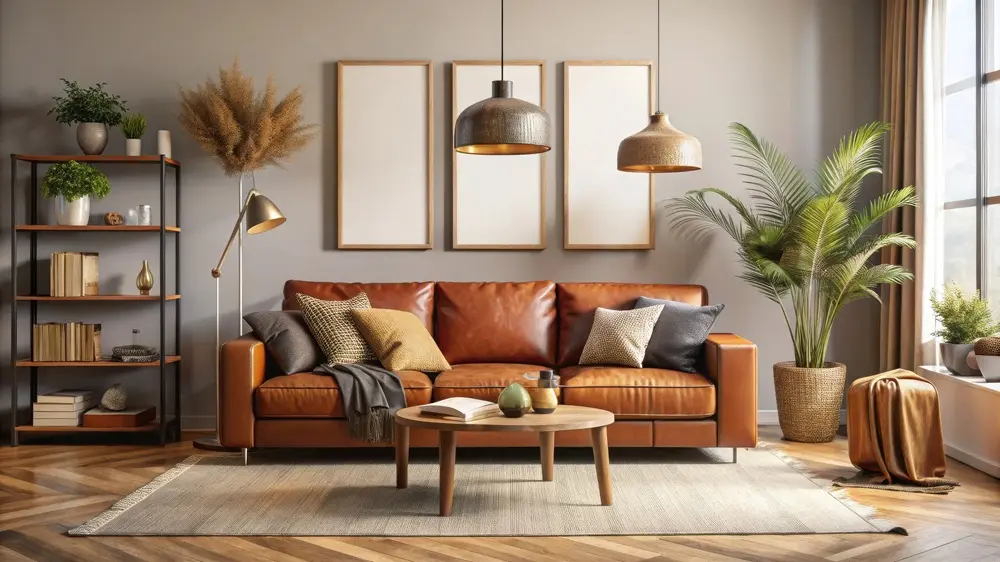
Modern rustic living rooms highlight texture and craftsmanship. Leather armchairs, sturdy wooden tables, stone accents, and layered rugs create a visually rich, warm environment. Functionally, the style calls for mixing raw materials with softer fabrics to maintain comfort without compromising aesthetic appeal. Select solid wood tables, distressed leather seating, stone or clay accessories, and arrange them around a fireplace or large window to create a natural focal point.
Simple renovations like refinishing existing wood, adding a stone veneer feature wall, or layering rugs can enhance texture and warmth. Limit décor to a few handcrafted statement pieces, ensuring the space feels inviting and functional for everyday living.
Modern Contemporary Living Room
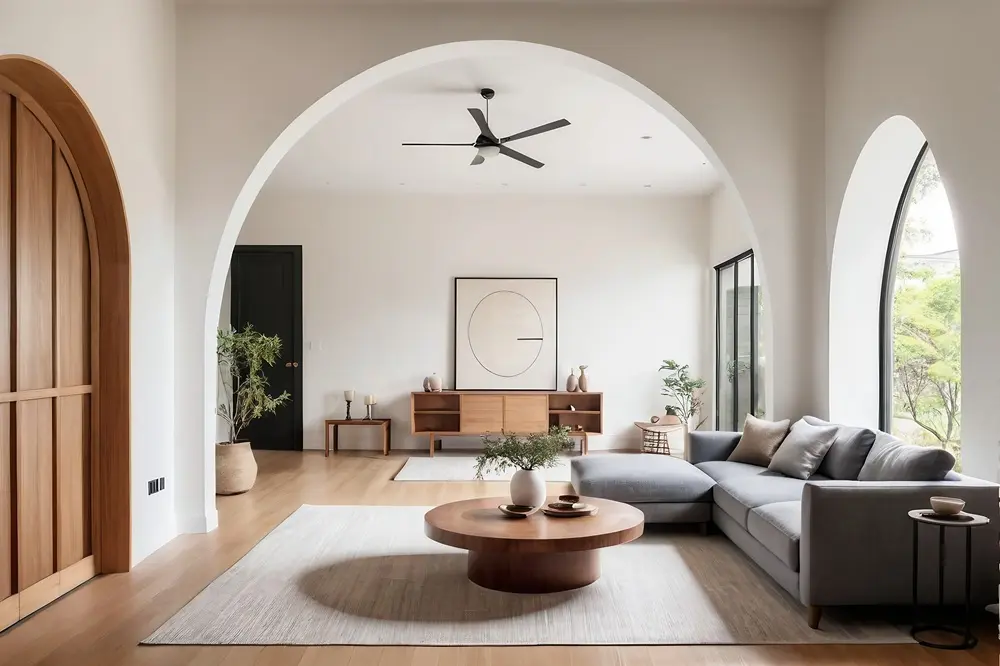
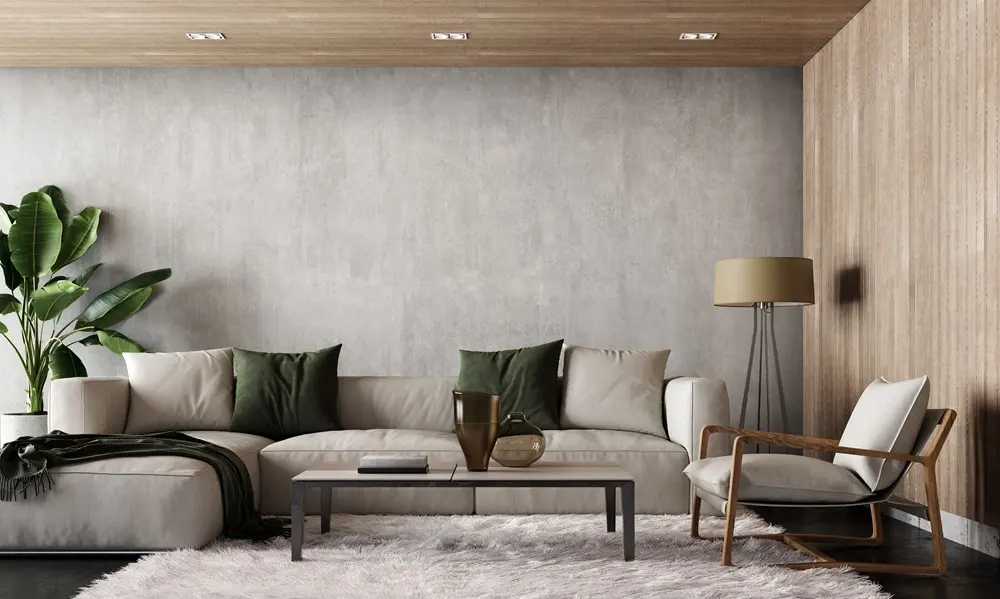
Modern contemporary living rooms favor uncluttered layouts, clean lines, and functional elegance. Modular sofas, minimalist tables, and statement lighting maintain balance, while neutral walls and polished metal accents convey sophistication. Bauhaus principles of functional beauty remain central, while modern touches introduce subtle textures, warm accents, and practical features suitable for contemporary lifestyles.
Furniture with hidden storage and smart home integration supports a seamless, clutter-free environment. Arranging low-profile furniture with accent chairs creates conversational zones. Easy updates for 2026 include repainting walls with warm neutrals, upgrading light fixtures to modern sculptural designs, and concealing cables and electronics for a clean, polished look.
Japandi Living Room
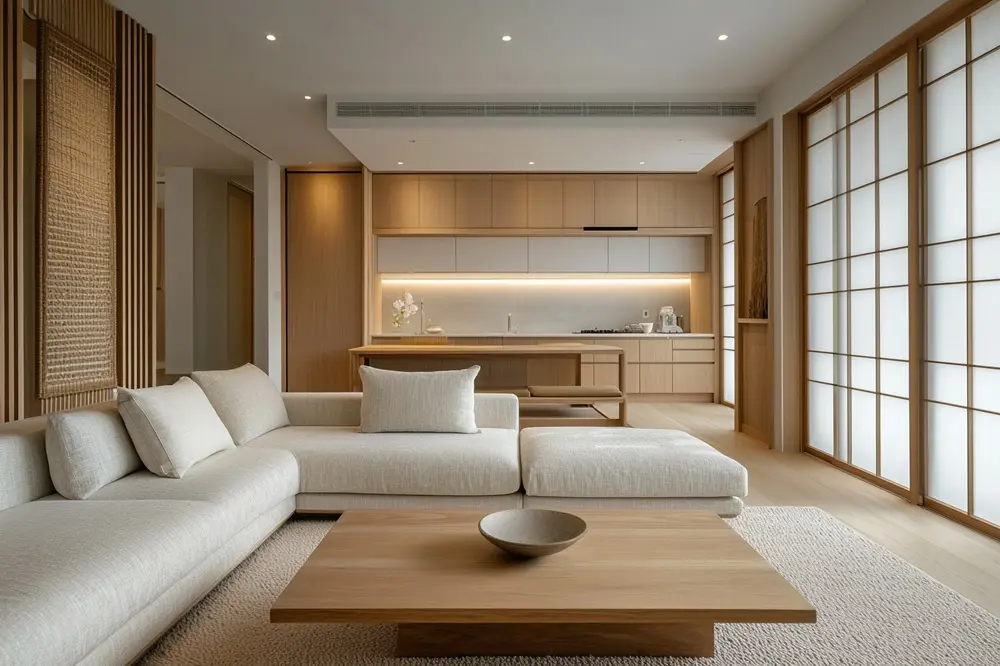
Japandi living rooms reflect serenity, balance, and purposeful design. Low-profile wooden furniture, tatami-inspired rugs, and minimalist storage keep spaces uncluttered. Thoughtful balance between symmetry and asymmetry adds visual interest, while sliding panels or screens provide flexible, adaptable solutions.
Recommended furniture includes low wooden sofas, platform seating, shoji-inspired sliding panels, and floating or concealed storage units. Position furniture around common areas and leave some open space to maintain a sense of calm. Simple updates, like replacing bulky storage with built-ins, introducing dimmable lighting, and decluttering surfaces to display only meaningful décor, reinforce the Japandi principle of functional tranquility in 2026 interiors.
For inspiration, read 5 Stunning Japandi Living Room Ideas and 5 Common Mistakes to Avoid.
The Essence of Modern Design for Your Home
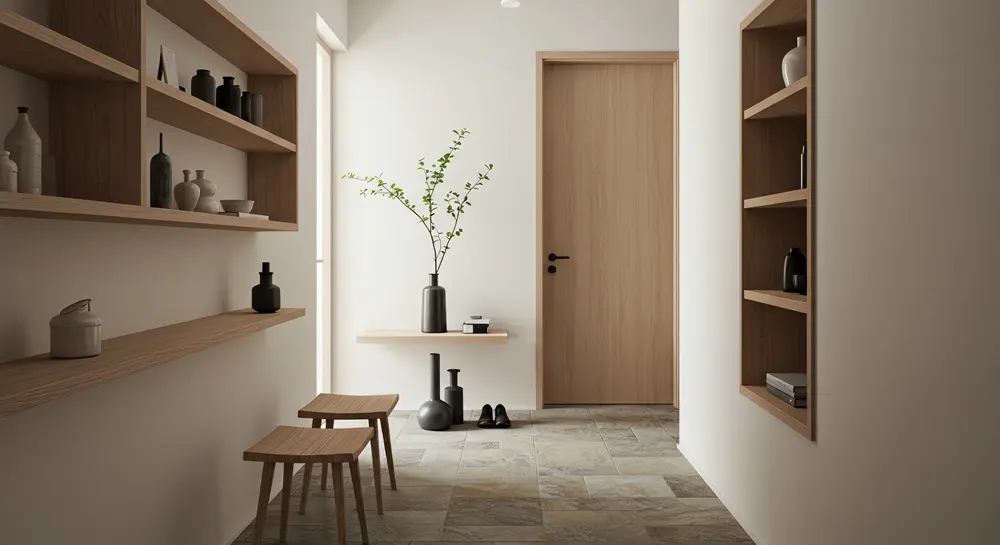
Modern interior design in 2026 is defined by a balance of form, function, and thoughtful material choices. From the Bauhaus-inspired clarity of mid-century modern to the serene elegance of Japandi, each style offers opportunities to create living spaces that are functional, stylish, and deeply personal. Understanding the color palettes, textures, and principles behind these trends allows homeowners to design interiors that feel timeless, inviting, and perfectly suited to contemporary lifestyles.
*Some of the images featured in this article were created using generative AI.