

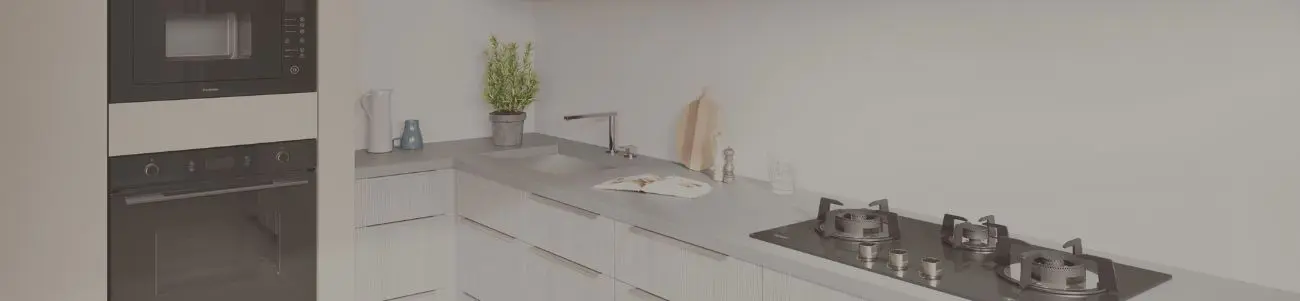
From Old to New: A Complete Guide to Modern Kitchen Renovation
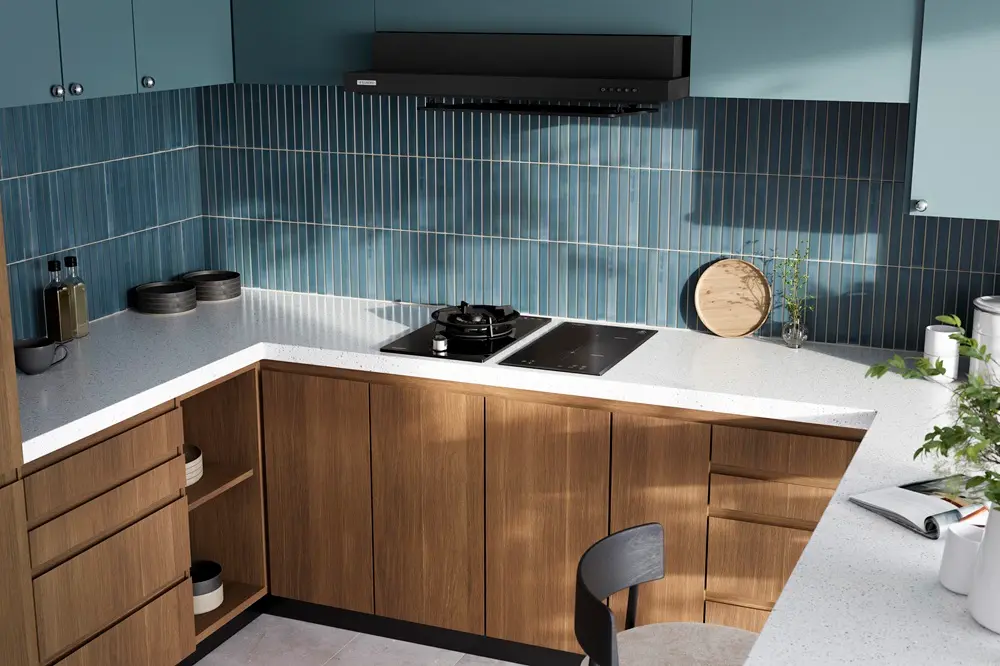
A kitchen is more than just a place to cook; it is the heart of the home, where meals, memories, and daily routines come together. Over time, even the most beloved kitchens can start to feel outdated or inefficient. A modern kitchen renovation offers the perfect solution: transforming an old space into a functional, stylish, and comfortable environment that reflects today's design sensibilities and lifestyle needs. From clean, minimal lines and smart layouts to integrated appliances and high-quality finishes, a well-planned modern kitchen combines aesthetics with practicality. This guide walks you through every step of updating your kitchen, from early planning and budgeting to design, installation, and enjoying a revitalized living space.
From Old to Modern: Updating an Existing Kitchen
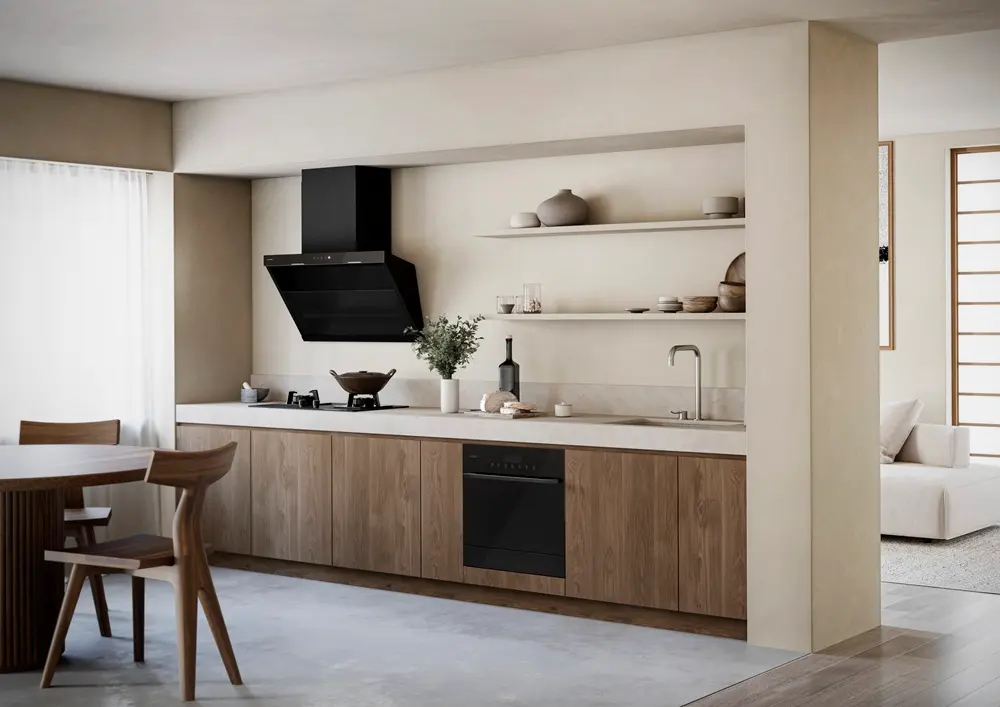
Renovating a kitchen is an opportunity to bring harmony and functionality into the space that often forms the heart of daily life. A modern kitchen is more than an aesthetic upgrade; it is a carefully orchestrated environment where cooking, dining, and household routines blend seamlessly.
At its core, a modern kitchen emphasizes clean, minimal design, functional layouts, and smart integration of appliances. Surfaces are uncluttered, lines are smooth, and storage is thoughtfully hidden yet easily accessible. Beyond appearances, it prioritizes daily usability and indoor comfort—from optimizing ventilation and natural light to ensuring efficient workflow and ergonomics. By approaching a renovation with both beauty and practicality in mind, homeowners can create a kitchen that not only looks contemporary but also improves their day-to-day life.
Step 1: Planning and Budgeting
The foundation of any successful kitchen renovation is meticulous planning. Understanding how your household uses the kitchen—and anticipating how your needs may evolve, ensures that every design decision serves a purpose. Planning early helps prevent costly mistakes, streamlines decision-making, and provides a roadmap for a renovation that balances form and function.
Taking stock of the items and lifestyle you already have is a key part of this process. Existing tableware, cookware, and appliances reveal practical requirements for storage, counter space, and layout. At the same time, reviewing the strengths and shortcomings of your current kitchen helps identify what should be retained and what needs improvement. By building on what works and addressing what does not, homeowners can create a kitchen that feels both familiar and improved—one that delivers greater satisfaction and supports everyday life more effectively.
Understanding the Cost of a Modern Kitchen
Budgeting is a critical step in renovation planning. The cost of transforming an existing kitchen depends on the scope of work: minor updates such as new finishes and appliances, moderate changes like adjusting layouts, or a complete rebuild that addresses both structure and style. By clearly defining the renovation scope at the outset, homeowners can align expectations with reality, avoid overspending, and prioritize elements that truly enhance daily life.
Budgeting for Long-Term Value
While it can be tempting to prioritize short-term visual impact, a kitchen renovation should focus on long-term usability and comfort. Investment in quality layouts, ventilation, durable surfaces, and reliable appliances ensures a space that functions well for years to come. These decisions not only improve everyday experiences but also add value to the home. The emphasis is on enduring performance, where each choice contributes to a cleaner, quieter, and more enjoyable kitchen environment.
Step 2: Designing the Kitchen
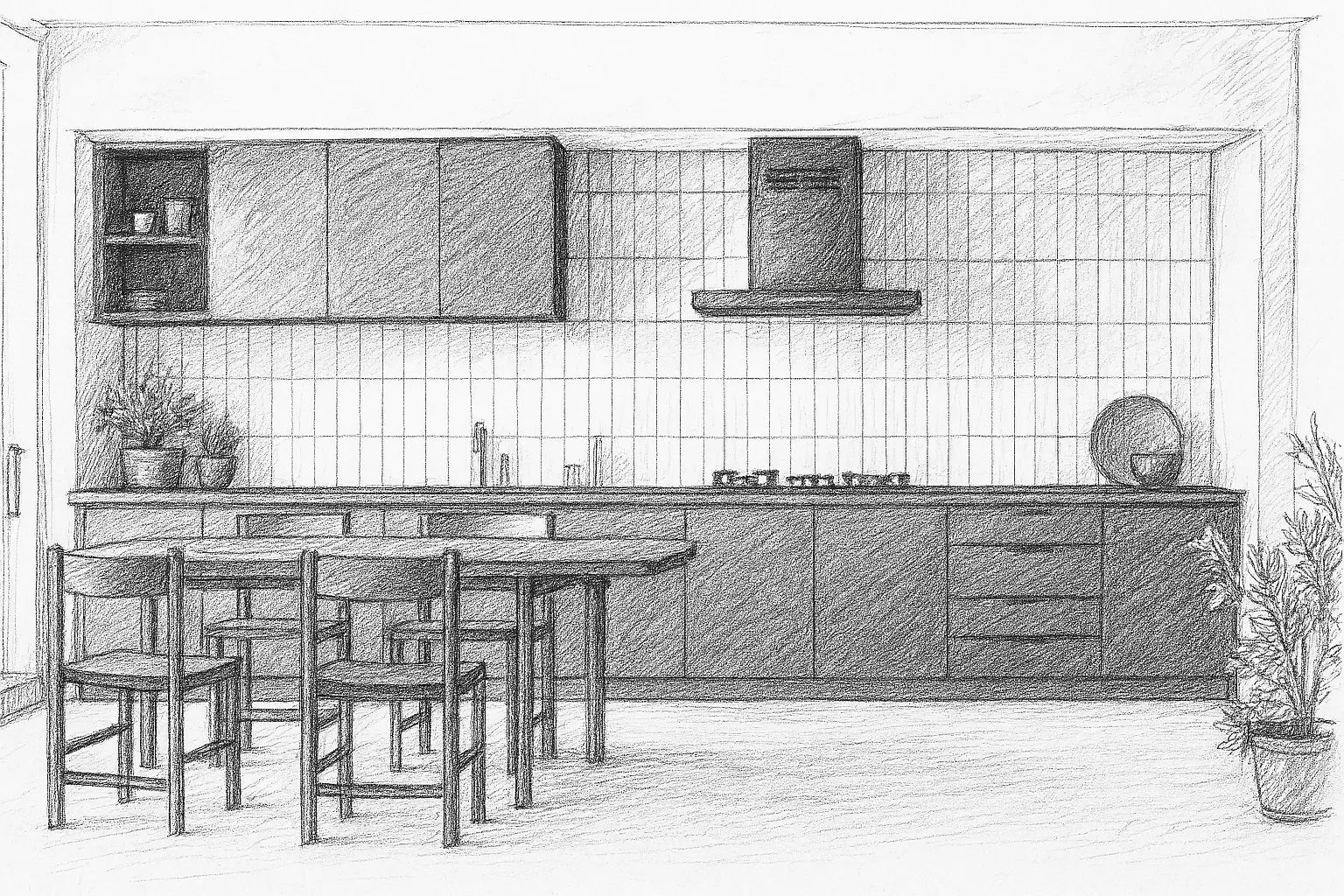
Design is the bridge between planning and execution. A modern kitchen succeeds when aesthetic appeal and functional efficiency coexist. Key design considerations include layout planning, storage optimization, and workflow—ensuring that every item, appliance, and workspace serves a purpose while maintaining a sense of calm and order.
Choosing a Design Style
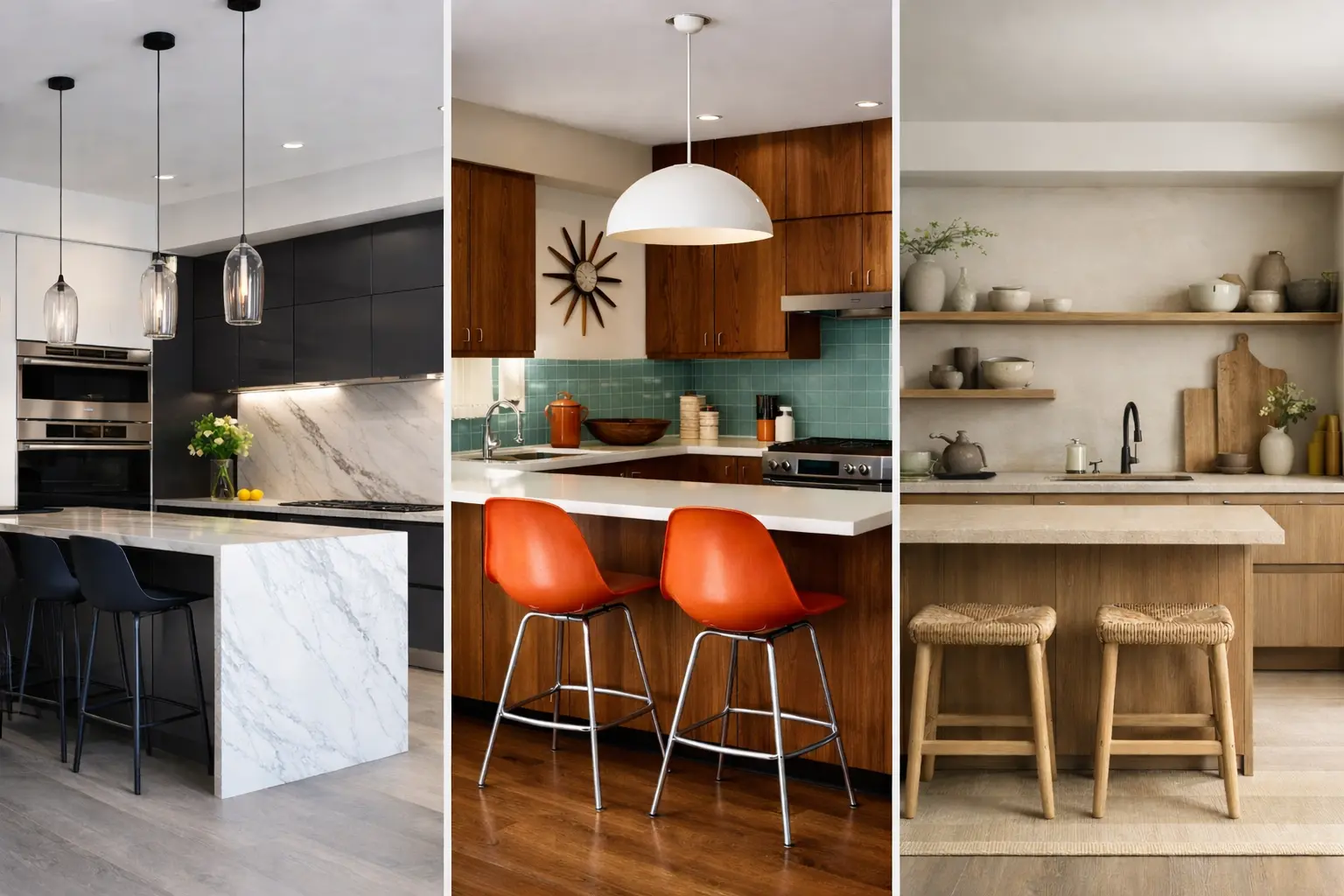
Selecting a design style sets the tone for the entire renovation. Contemporary kitchens are characterized by sleek lines, neutral palettes, and fully integrated appliances, which suit households that value simplicity and minimalism without sacrificing convenience.
Mid-century modern kitchens combine retro charm with modern functionality through natural wood tones, geometric shapes, and open shelving, bringing warmth and personality while maintaining a clean and uncluttered environment.
Japandi kitchens, a fusion of Japanese minimalism and Scandinavian coziness, emphasize natural materials, muted colors, and clean lines, creating a tranquil space where functionality and aesthetics meet harmoniously.
Choosing a style aligned with your lifestyle ensures that your kitchen feels cohesive and intuitive, supporting daily tasks while remaining visually inspiring.
Step 3: Selecting Key Components
A modern kitchen is defined as much by what is inside it as how it looks. The selection of appliances, surfaces, and finishes directly impacts usability, longevity, and comfort.
Planning Kitchen Appliances
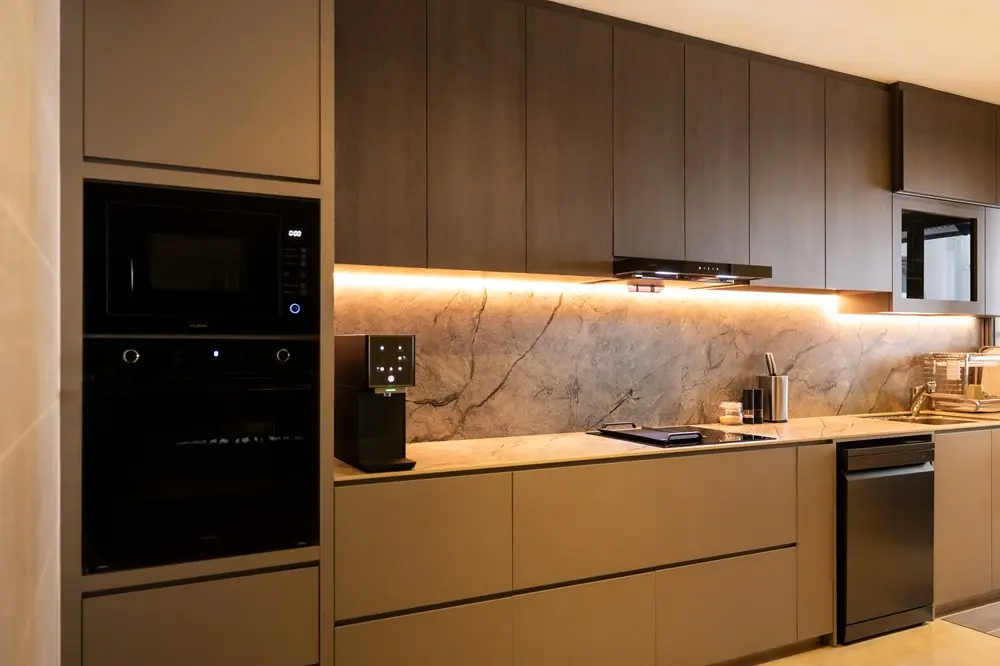
Built-in appliances play a central role in how a renovated kitchen functions on a daily basis, and careful selection is essential. Key appliances such as cooker hoods, hobs, and ovens should be chosen not only for their appearance, but for how well they support your cooking habits and lifestyle after renovation.
Ventilation is particularly important in maintaining a clean and comfortable kitchen environment. A cooker hood with strong oil and smoke capture performance helps reduce odours, airborne grease, and surface stickiness, making the kitchen easier to maintain while supporting healthier indoor air quality. Ease of cleaning and quiet operation further contribute to everyday comfort.
Equally important is selecting cooking appliances that suit how you use the kitchen. Deciding between gas or induction hobs, and determining the level of oven functionality required, should be guided by your cooking style and frequency of use. When appliances are chosen with these practical considerations in mind, the kitchen becomes more efficient, enjoyable, and capable of supporting a wider range of cooking experiences.
Materials and Finishes
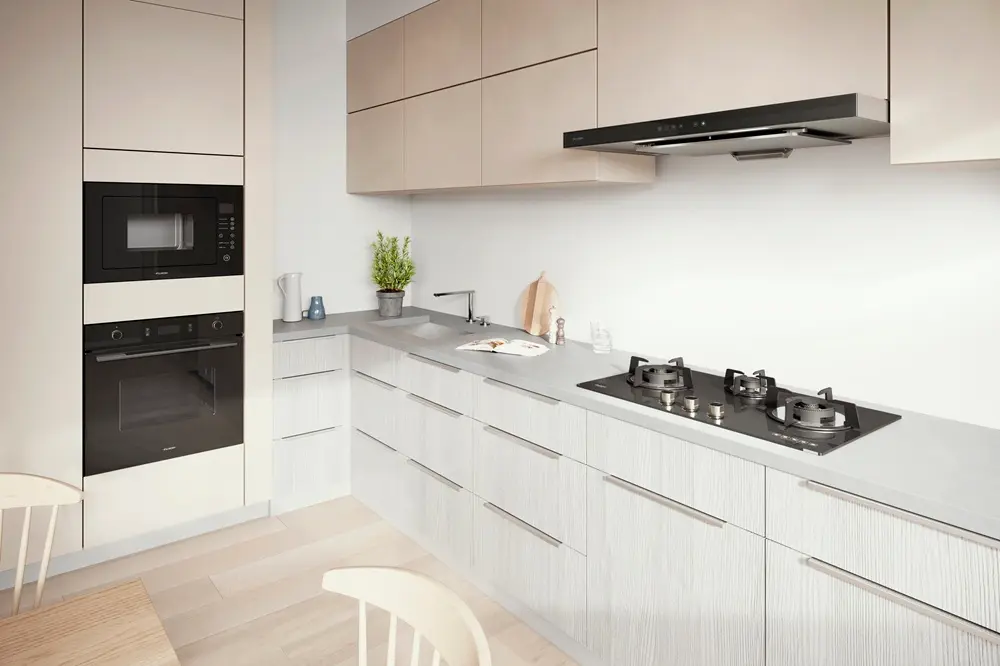
Selecting the right materials ensures your kitchen remains durable and low-maintenance. Surfaces should resist heat, moisture, and daily wear, while cabinetry should combine strength with refined design. Emphasizing timeless quality over transient trends allows the kitchen to retain both functionality and beauty for years. Consider finishes that are easy to clean, resist staining, and complement the overall aesthetic—investments that enhance both day-to-day living and long-term home value.
Since this is a renovation, it is also important to consider construction and installation details that make the kitchen easier to clean and more visually seamless. Using flat, uninterrupted surfaces and finishes helps maintain a sleek, attractive look, while hiding wiring, piping, and other mechanical elements ensures the space feels orderly and uncluttered. Finishes should be easy to wipe clean, resistant to staining, and complementary to the overall aesthetic—investments that enhance both day-to-day living and long-term value.
Step 4: Execution and Installation
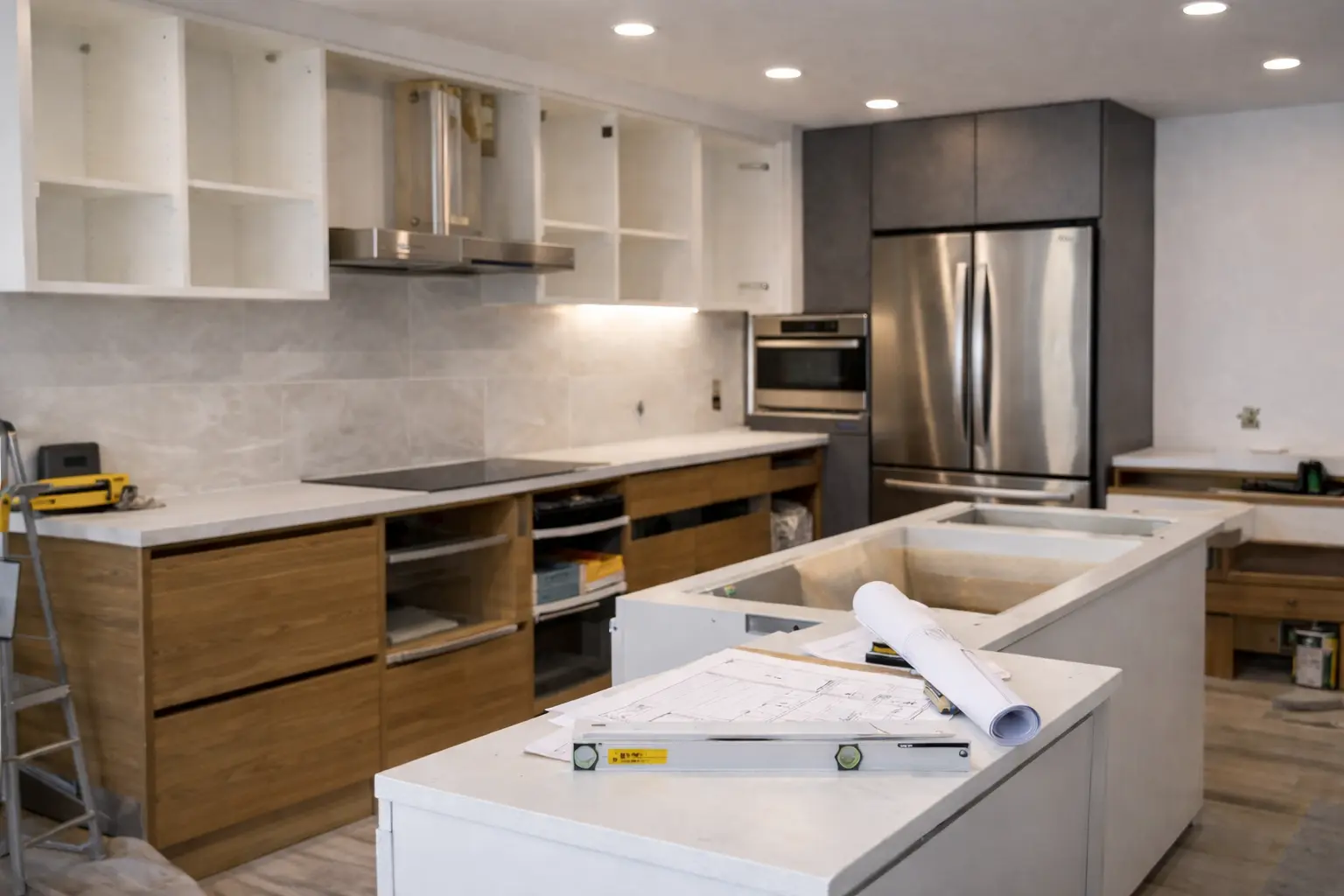
The transition from design to reality is where planning, materials, and craftsmanship come together. Clear communication with contractors and attention to detail during installation are key to ensuring the kitchen performs as envisioned.
Managing the Renovation Process
Effective renovation management includes coordinating timelines, minimizing household disruptions, and performing quality checks at every stage. Monitoring progress ensures the layout, finishes, and appliances are installed as designed, and any challenges are addressed quickly. By maintaining control over the process, homeowners can protect their investment and ensure the kitchen achieves both aesthetic and functional goals.
Step 5: Maximizing the Value of Your Renovated Kitchen
A kitchen renovation is not truly complete once construction ends; its real value emerges in daily life. The careful planning, thoughtful layout, and quality materials you chose during design are meant to make everyday cooking, cleaning, and living more enjoyable and efficient. Experiencing how the space works for your routines allows you to appreciate the decisions made during the renovation and ensures the kitchen serves its intended purpose.
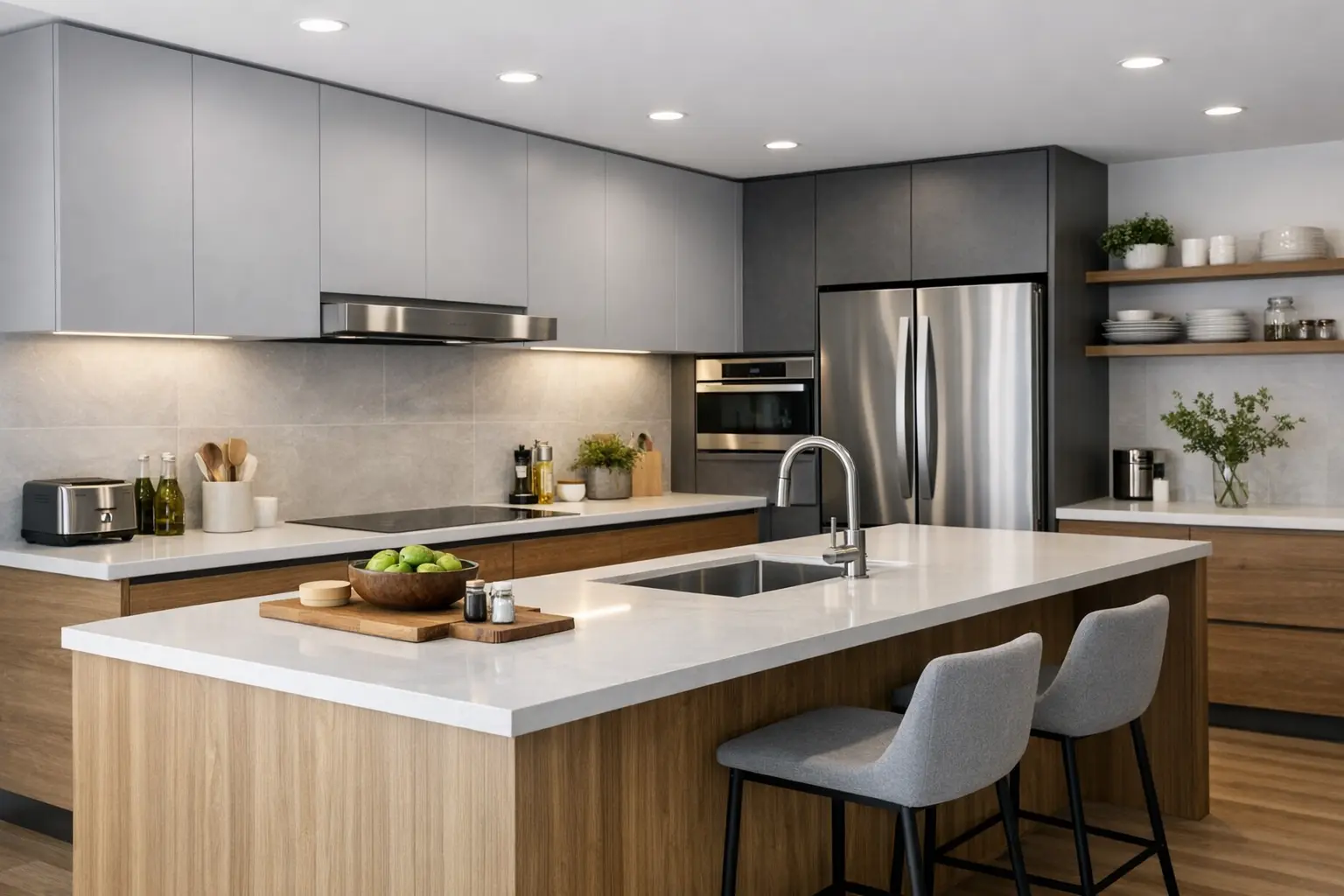
Even after installation, there are ways to optimize the use of your new kitchen. Small, repositionable appliances can help you determine the most convenient locations for frequently used items, while experimenting with storage solutions can refine workflow and reduce clutter. Taking the time to read instruction manuals for each appliance and familiarize yourself with new surfaces, finishes, and fixtures ensures that you can care for them properly. Understanding how each component functions helps maintain the kitchen's appearance and performance, allowing your renovated space to remain comfortable, practical, and beautiful for years to come.
A Well-Planned Kitchen for Modern Living
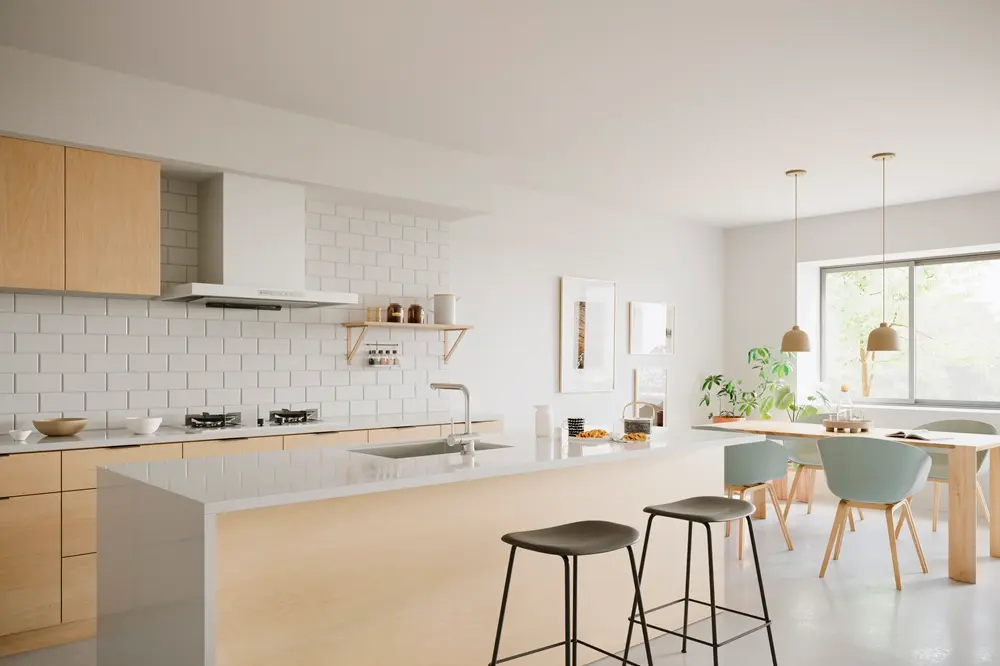
A well-planned kitchen is the result of thoughtful renovation that balances functionality, comfort, and lasting quality. By optimizing layouts, improving ventilation, and selecting durable materials and reliable appliances, an older kitchen can be transformed into a space that works seamlessly for daily life. When every decision is guided by practical needs and long-term usability, the kitchen becomes more than a room—it becomes a calm, efficient, and enduring heart of the home.
*Some of the images featured in this article were created using generative AI.