

Japandi Walls: Minimal Design for Calm Interiors
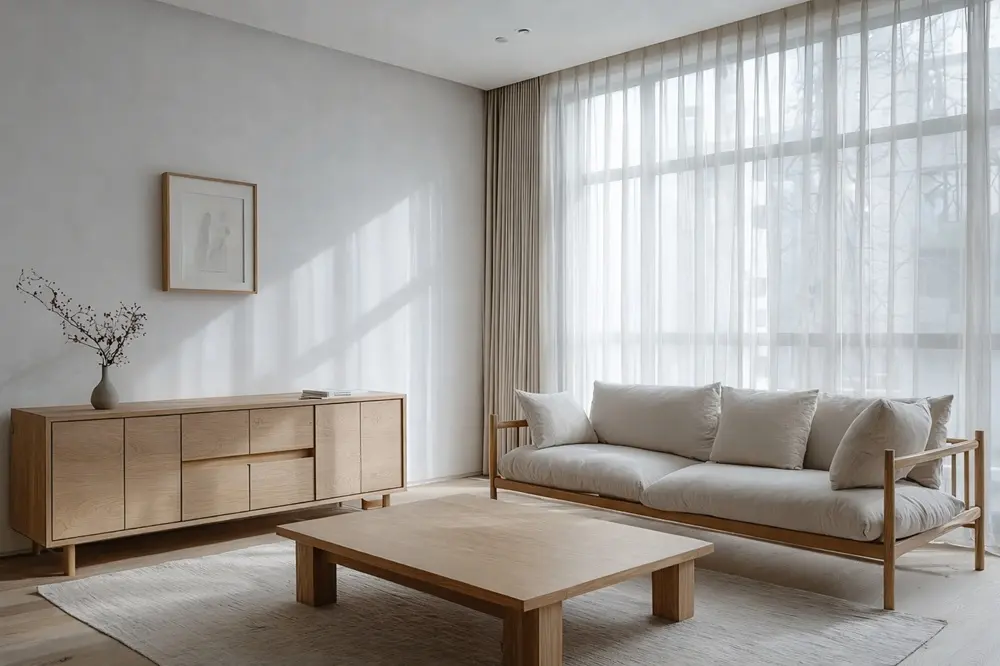
Walls shape how a room feels, guide natural light, and influence how a space is experienced. In Japandi design, walls are active elements, not mere backdrops. A Japandi wall combines Japanese wabi-sabi, which celebrates imperfection and natural materials, with Scandinavian hygge, which prioritizes warmth, comfort, and simplicity. The result is a surface that is tactile, visually calm, and designed to support well-being.
This article explores how to create such walls: from selecting materials rooted in tradition, including wood slats, textured plaster, washi paper, and smooth painted finishes, to layering art and nature-inspired murals with a "less is more" approach that preserves negative space (ma). In addition, learn how placement and lighting enhance textures and shadows, and how to apply these principles across kitchens, dining rooms, living rooms, and private retreats.
Applying these principles helps walls create interiors that are calm, organized, and practical, fostering balance and harmony in the home.
What is Japandi Wall
Japandi is a fusion of Scandinavian hygge—the sense of warmth and comfort, and Japanese wabi-sabi, which finds beauty in imperfection and impermanence. Applied to walls, this philosophy results in designs that feel calm, tactile, and timeless rather than trend-driven.
At the heart of Japandi wall design is restraint guided by purpose. Rather than acting as a backdrop for decoration, the wall itself becomes an active design element—one that shapes atmosphere through tone, texture, and light.
Neutral color palettes form the foundation. Soft whites, warm greige, sand, clay, and muted taupe create visual quiet, allowing the eye to rest. These colours are never stark or cold; instead, they carry warmth and subtle depth, echoing natural landscapes and raw materials.
Natural materials are equally essential. Wood, plaster, washi paper, linen, and mineral-based finishes introduce tactility that synthetic surfaces cannot replicate. In Japandi interiors, walls are meant to be felt emotionally, even when untouched—communicating warmth, age, and honesty.
Minimalism without excess decoration defines the approach. Japandi walls avoid overcrowding, not out of austerity, but to preserve meaning. Each element—whether a panel, artwork, or texture—must earn its place. Empty space is not seen as unfinished; it is an intentional pause that enhances everything around it.
Finally, shadows and textures are treated as design features. Gentle variations in surface depth, vertical lines, or plaster movement interact with natural light throughout the day. As light shifts, shadows soften or sharpen, bringing the wall quietly to life. This dynamic quality is what gives Japandi walls their calm yet never-static presence.
The Philosophy of Japandi Walls
In Japandi interiors, walls are not designed to stand out. They serve as a quiet foundation that supports the space and brings visual stability to everyday life. Rather than acting as decorative statements, they provide a calm backdrop that allows light, furniture, and movement to feel balanced and unforced.
Japandi walls are more than physical boundaries. They help shape a serene interior landscape by guiding the eye gently and reducing visual distraction. The emphasis is not on immediate impact, but on how a wall contributes to comfort and clarity over time.
This approach avoids trend-driven design. Materials and finishes are chosen for their subtle response to light, texture, and daily use. Small variations in surface depth, shadow, and tone are intentional, adding quiet character rather than visual noise.
Natural materials are expected to soften, patinate, and evolve, allowing beauty to emerge gradually. Japandi walls are created to feel settled and enduring—offering calm that deepens with time.
Traditional Roots: Wall Materials from Japan and Scandinavia
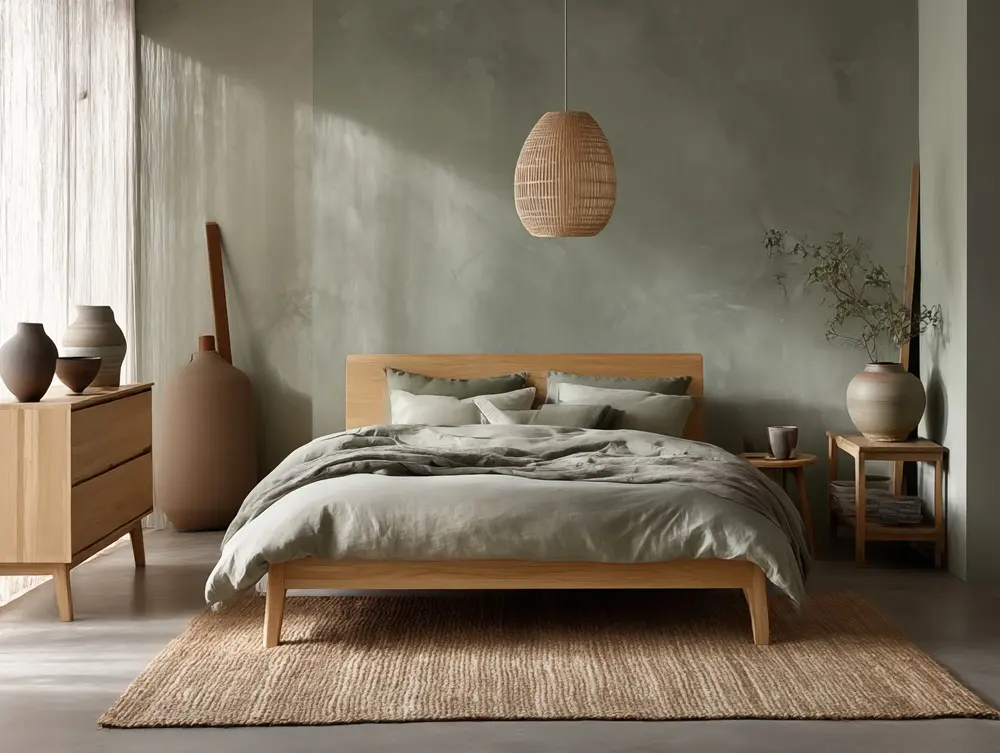
Japandi wall design draws its authenticity not from ornamental references, but from the everyday materials that have shaped domestic architecture in Japan and Scandinavia for centuries. These walls were never designed to impress; they were built to breathe, age gracefully, and support a calm way of living.
Japanese Wall Materials: Lightness, Texture, and Breathability
Traditional Japanese interiors rely on walls that feel light, natural, and responsive to their environment. Plaster walls—often finished with subtle hand-applied textures, create soft, imperfect surfaces that reflect wabi-sabi ideals. These finishes absorb and diffuse light rather than reflecting it harshly, contributing to a gentle, atmospheric interior.
Washi paper wall coverings are valued for the delicate texture created by their fine natural fibers. This soft, fibrous surface reduces visual contrast and lends the wall a light, breathable quality. Wooden walls and bamboo joinery, often left untreated or lightly finished, add warmth and structure without visual heaviness, allowing material grain and joints to become part of the design language.
Together, these materials prioritise breathability, imperfection, and harmony with nature, qualities that remain central to Japandi walls today.
Scandinavian Wall Materials: Warmth, Solidity, and Simplicity
In contrast, Scandinavian wall construction emphasises solidity and comfort. Wood panelling, particularly in soft-toned or lightly stained finishes, brings warmth and enclosure to interiors designed to withstand long, dark winters. The grain of the wood provides natural variation while maintaining visual order.
Painted plaster walls are another defining feature. Typically finished in muted whites, greys, or earthy tones, these walls create a calm, uniform backdrop that enhances light and space. Unlike decorative surfaces, they rely on subtle tonal shifts and texture rather than ornamentation to create interest.
This approach reflects Scandinavian values of functionality, clarity, and understated beauty, where walls support daily life without demanding attention.
From Tradition to Japandi Walls Today
Modern Japandi wall design sits at the intersection of these two traditions. Contemporary plaster finishes echo Japanese tactility, while wood panels and painted surfaces reflect Scandinavian warmth and restraint. Japandi wallpaper, textured panels, and minimalist wall treatments translate these historical materials into practical solutions for modern homes.
By understanding these material roots, Japandi walls become easier to read—not as a trend, but as a continuation of design philosophies that value calm, honesty, and longevity.
4 Essential Styles of Japandi Walls
Japandi walls draw inspiration from the material traditions of Japan and Scandinavia—natural textures, soft tones, and tactile finishes, while translating them into modern interiors that balance warmth, minimalism, and subtle sophistication. Each style below highlights its roots, suitable materials, and complementary Japandi elements.
Style 1: Textured Plaster - Soft Imperfection
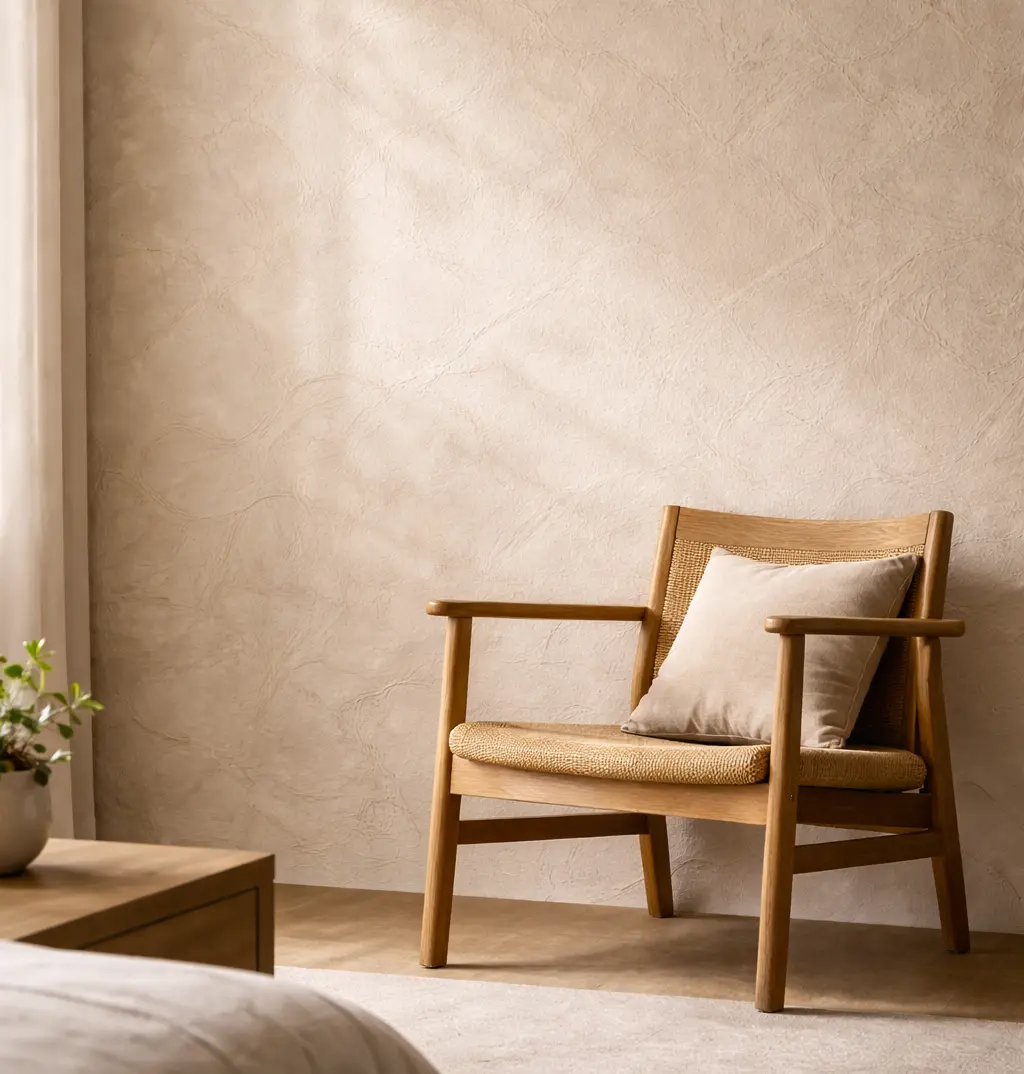
Textured plaster walls draw from traditional Japanese clay or lime plaster and Scandinavian painted plaster with subtle texture. These surfaces are often hand-applied or simulated in modern finishes to add tactile interest and visual depth.
The natural paint marks and gentle unevenness of plaster create fine variations across the surface, allowing light to settle differently throughout the day. As a result, soft shadows emerge and shift, giving the wall a rich, layered appearance without relying on ornament. At the same time, textured plaster absorbs and diffuses light, reducing glare and creating a calm, grounding backdrop for the room.
The imperfect, organic quality of these walls reflects the Japanese philosophy of wabi-sabi, which celebrates natural imperfection. Interiors with textured plaster walls feel soft and serene, and the walls complement wooden furniture, natural fabrics, and indoor plants.
Style 2: Washi Paper and Fabric Coverings - Gentle Tactility
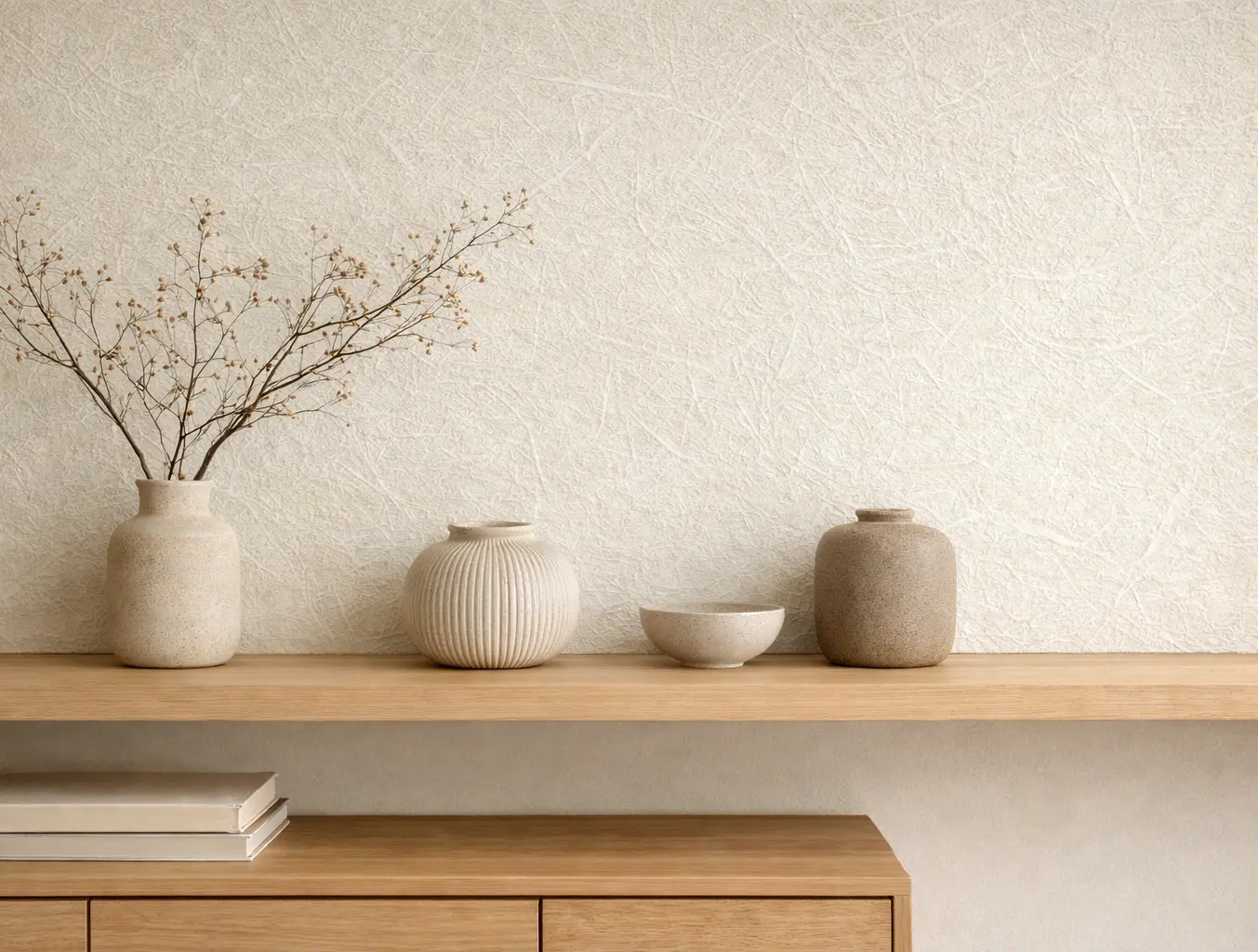
Washi paper coverings, traditional in Japanese interiors, and linen or textile wall panels common in Scandinavian design introduce soft, fibrous surfaces to a room. These materials diffuse light gently, creating a subtle glow while helping to soften sound and reduce visual and auditory harshness. Washi paper and textile walls invite touch and engage the senses, adding understated elegance without overwhelming the space. Walls finished in these materials feel light, airy, and calm, and they provide an excellent neutral backdrop for minimalist art, wooden furniture, or natural décor accents.
Style 3: Smooth Painted Walls - Calm and Versatile
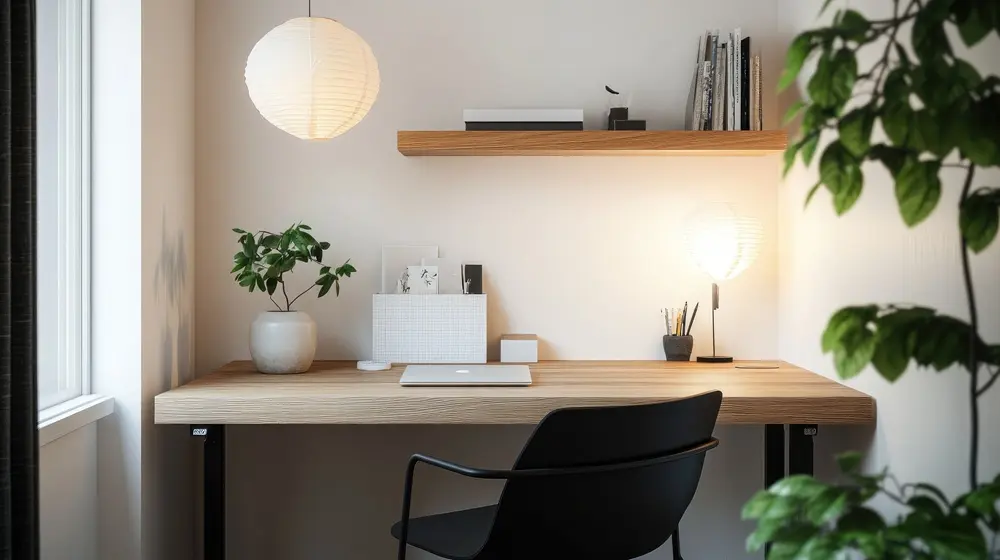
Textured plaster walls draw from traditional Japanese clay or lime plaster and Scandinavian painted plaster with subtle texture. These surfaces are often hand-applied or simulated in modern finishes to add tactile interest and visual depth.
The natural paint marks and gentle unevenness of plaster create fine variations across the surface, allowing light to settle differently throughout the day. As a result, soft shadows emerge and shift, giving the wall a rich, layered appearance without relying on ornament. At the same time, textured plaster absorbs and diffuses light, reducing glare and creating a calm, grounding backdrop for the room.
The imperfect, organic quality of these walls reflects the Japanese philosophy of wabi-sabi, which celebrates natural imperfection. Interiors with textured plaster walls feel soft and serene, and the walls complement wooden furniture, natural fabrics, and indoor plants.
Style 4: Wood Slats - Vertical Rhythm
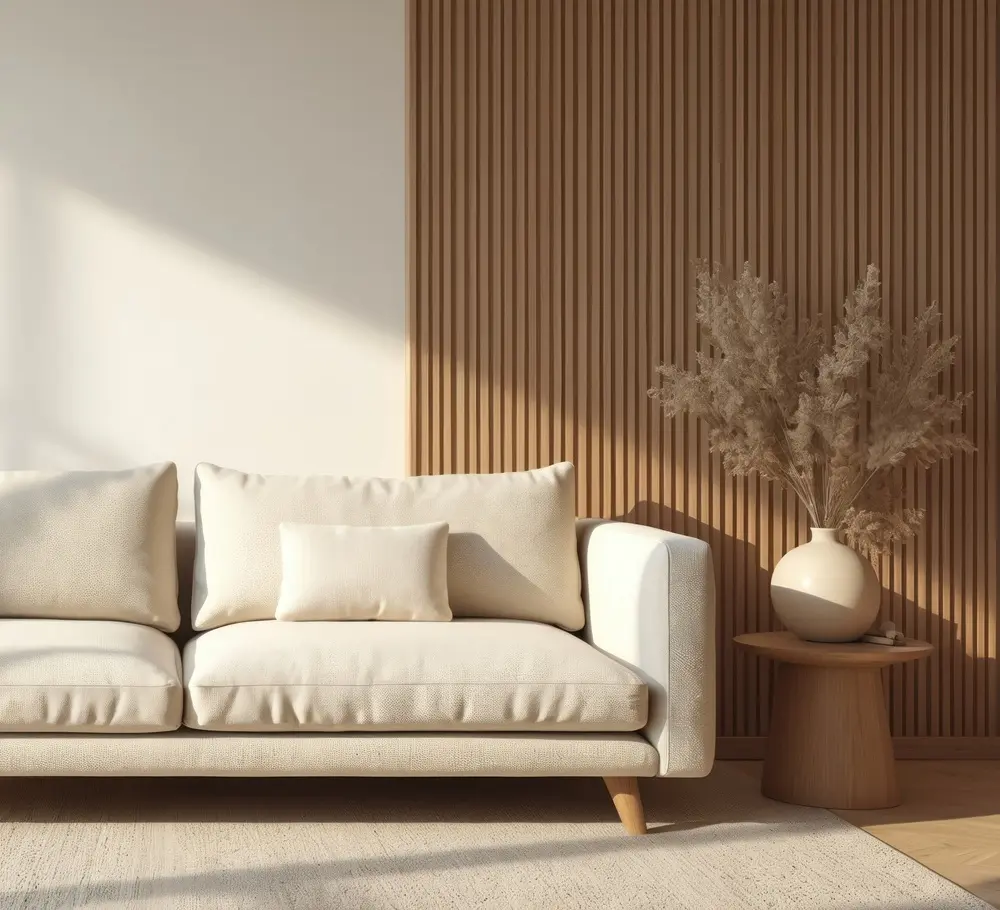
Wood slats are inspired by traditional Japanese timber walls and Scandinavian light wood paneling. Slender, vertical slats introduce depth and a rhythmic architectural pattern to the wall, while the natural grain of the wood adds warmth and subtle visual variation. Used as a partition with gaps, wood slats define space without fully enclosing it. Light and air can pass through, preventing the wall from feeling heavy or oppressive. As daylight shifts, the slats cast soft, layered shadows that add texture and quiet movement to the room, making them well suited for open-plan living areas or transitional spaces.
When attached to an existing wall, wood slats function as a restrained decorative surface. Rather than dividing space, they act as a gentle accent, adding depth and material warmth to an otherwise flat wall. This approach works well for feature walls in living rooms or bedrooms, where structure is desired without visual dominance.
In both applications, wood slat walls create an atmosphere that feels warm yet orderly. Their durability and versatility make them easy to integrate into Japandi interiors, where they pair naturally with neutral furnishings, natural textiles, and minimal décor elements.
Curating Your Canvas: Choosing the Perfect Artwork
When working with Japandi walls, the choice of art and decorative accents should complement the wall material rather than compete with it. Each wall type interacts with light and texture differently, so understanding the material helps guide your selections.
Textured Plaster - Soft Imperfection
Textured plaster walls offer a tactile, understated backdrop that benefits from quiet visual companions. Light, muted artworks such as sketches, soft watercolor prints, or handmade ceramics mounted directly on the wall complement the surface without overpowering it. Heavy or brightly colored frames tend to compete with the plaster's natural movement, so neutral frames or unframed pieces are preferred. A single artwork placed thoughtfully reinforces calm and material honesty.
Washi Paper and Fabric Coverings - Gentle Tactility
The delicate, fibrous surface of washi paper or textile wall panels calls for minimal visual contrast. Monochrome artworks, small floating shelves, or nature-inspired objects such as ceramic vessels or potted plants pair well with these walls. Because the material itself is the focus, one carefully chosen piece is often sufficient. Lightweight accessories preserve the integrity of the surface while maintaining the softness of the space.
Smooth Painted Walls - Calm and Versatile
Smooth painted walls provide the most flexible canvas within Japandi interiors. Large-scale minimalist prints, framed botanical sketches, or low-profile shelves can be introduced without overwhelming the space. For a harmonious effect, artwork should remain within a muted, earthy palette that reflects the wall colour and surrounding materials. Even here, restraint is key—allowing negative space to anchor the composition.
Wood Slats - Vertical Rhythm
Wood slat walls create strong vertical lines and subtle shadow play, making restraint essential. A single, small-scale Japandi artwork or a slim, unframed panel is often enough. Pieces that echo natural tones or organic forms work best, while frames in raw oak, walnut, or matte black metal reinforce the wall's rhythm without disrupting it. Leaving generous empty space around the artwork enhances clarity and balance.
Mastering the Layout: Placement & Lighting
The placement and lighting of art and décor on Japandi walls are just as important as the materials themselves. Properly executed, they enhance the calm, minimal, and tactile qualities of the wall.
Placement Guidelines
Regardless of the wall material, it is essential to leave ample negative space, allowing the eyes and mind to rest. Art and wall-mounted elements should ideally occupy no more than 20-30% of the wall, preserving the concept of ma, or meaningful void. This allows textures, natural materials, and the subtle play of shadows and light to act as decoration. Center pieces at eye level, and consider vertical alignment with furniture or architectural lines to create cohesion. In Japandi interiors, even a bare wall is purposeful, its simplicity and the gentle shifting of light contribute to the overall sense of serenity and balance.
Lighting Recommendations
Lighting should enhance textures and material qualities rather than overwhelm them. For wood slats and textured plaster, soft, indirect lighting or wall washers highlight the depth and natural grain, producing gentle shadows that evolve with daylight. Washi paper and textile walls benefit from lamps or fixtures with shades made from similar materials, such as paper or fabric, which diffuse light gently and harmonize with the wall's soft glow. For smooth painted walls, which are flatter and create fewer natural shadows, consider floor lamps or wall-mounted uplights that cast angled light across the surface, producing subtle depth and a calm, contemplative atmosphere. Across all materials, aim for warm, subtle lighting that enhances atmosphere while maintaining the serene Japandi aesthetic.
Real-Home Integration: Application Concepts
Japandi walls are most effective when thoughtfully integrated into the home. Selecting the right wall material for each space not only enhances the aesthetic but also supports function and atmosphere. Below are practical applications for kitchens, dining rooms, living rooms, and private retreats.
Kitchen: A Gallery of Daily Rituals
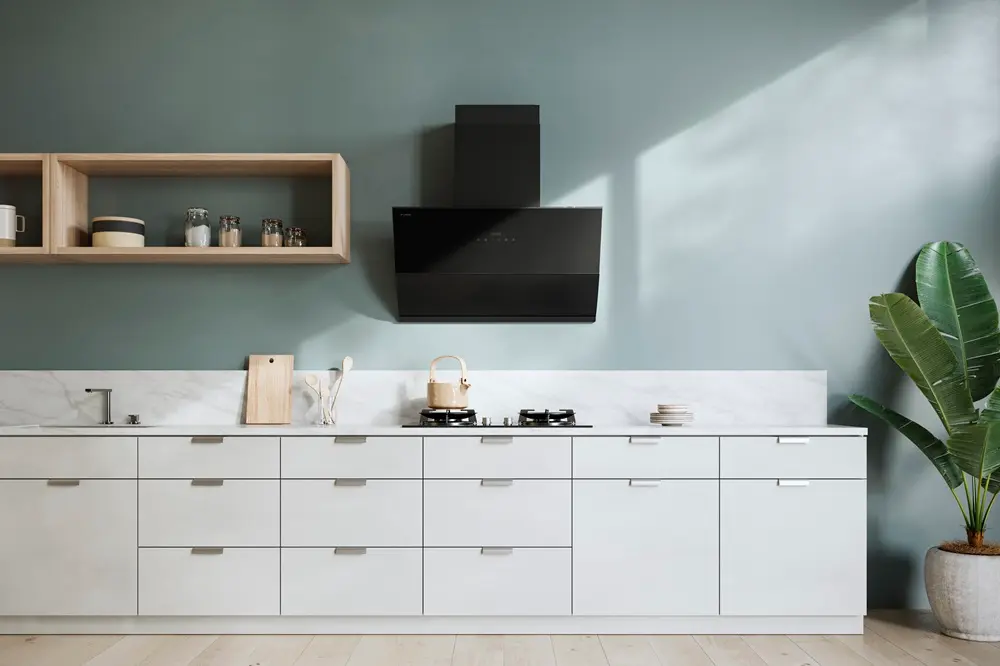
In the kitchen, walls are prone to getting dirty from cooking, so it is important to choose materials that balance texture with durability. Textured plaster walls or smooth painted walls work particularly well, as they are easy to clean yet add subtle warmth and tactility. These surfaces provide a serene backdrop for natural wood cabinetry, stone countertops, and simple open shelving. Minimal wall-mounted décor such as a single ceramic plate or a small botanical print, can highlight the wall's texture without creating clutter. Lighting should be soft and indirect, allowing shadows to emphasize the wall's depth while keeping the kitchen calm and inviting.
Dining Room: Where Conversations Brew
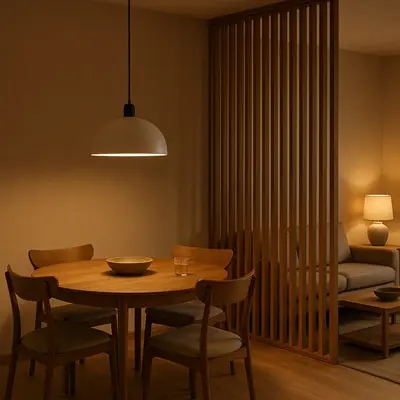
The dining room benefits from walls that create a quiet focal point for gatherings. Wood slats or washi wallpaper are excellent choices here, introducing rhythm and tactility that complement wooden dining tables and muted textiles. Vertical wood slats add architectural interest without overwhelming the space, while washi paper coverings provide a gentle, diffused texture that softens acoustics. Hanging a single monochrome artwork or a simple wall shelf can enhance the room's aesthetic while leaving ample negative space. Pendant lights with washi paper or textile shades provide focused illumination over the table, softly highlighting wall textures. They create a warm, inviting atmosphere that makes meals look appealing while supporting relaxed conversation.
Living Room: The Integrated Backdrop
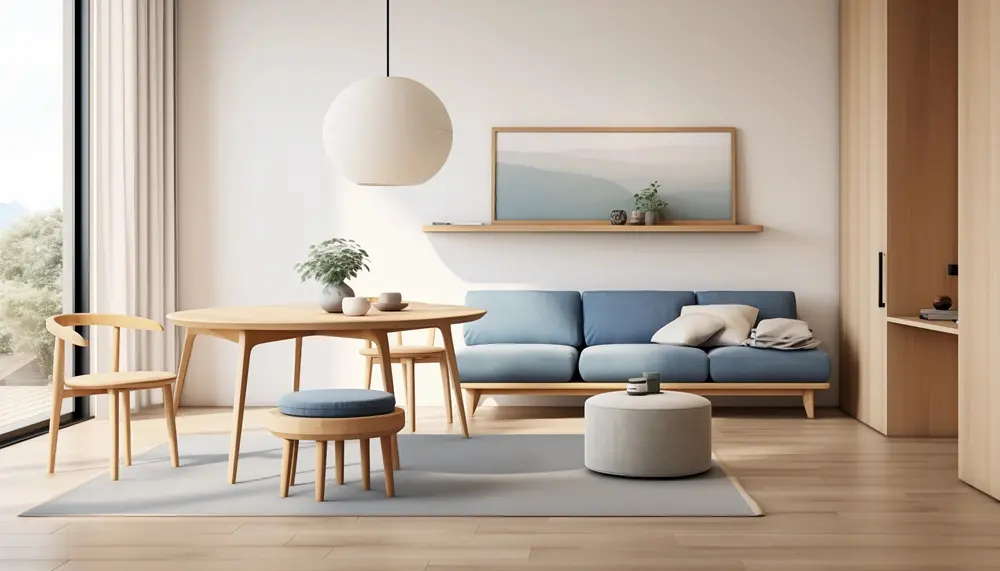
In the living room, walls serve as both a visual anchor and a backdrop for furniture and lifestyle elements. Smooth painted or plaster walls offer versatility, allowing for the layering of minimalist art, floating shelves, or natural décor accents. Plaster walls, in particular, interact beautifully with sunlight, creating subtle variations in shade throughout the day that enhance a sense of calm and relaxation. For a feature wall, wood slats can create depth behind a sofa or television, introducing shadow and rhythm that contrast softly with soft furnishings. By keeping wall decoration minimal and aligning it with furniture lines, the living room feels spacious, calm, and cohesive. Soft, indirect lighting enhances textures and brings out the natural warmth of wood or plaster surfaces.
Private Retreat: Bedroom and Bathroom
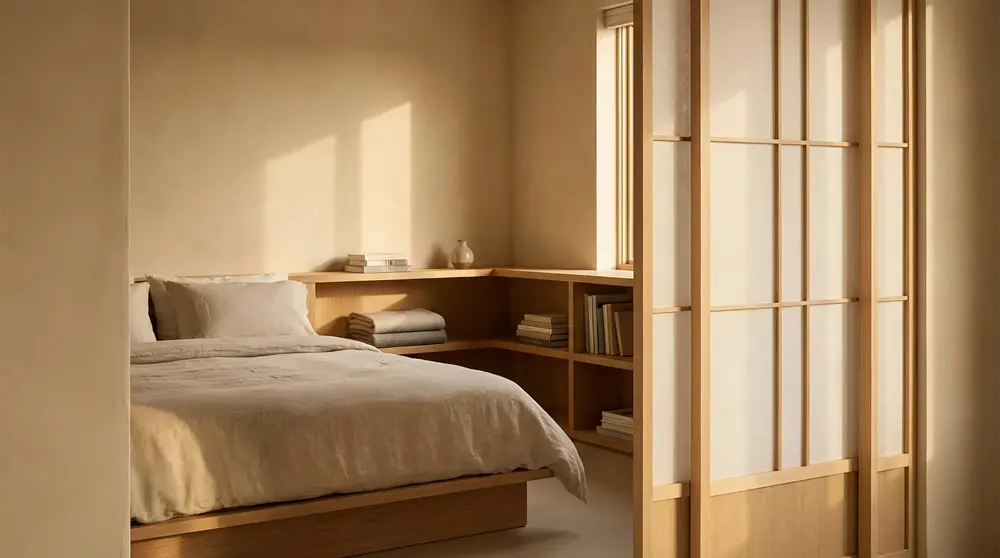
In the bedroom, walls that foster rest and reflection work best. Washi paper or textile coverings introduce gentle tactility and softly diffuse light, creating a calm, soothing atmosphere. Smooth painted walls in muted, earthy tones also pair beautifully with wooden bed frames, linen bedding, and subtle ceramic accessories. Minimal wall art, carefully selected for color and scale, complements these surfaces without disturbing the sense of serenity. Warm, subtle lighting highlights textures while supporting a restful ambience throughout the day and night.
Bathrooms require surfaces that can withstand moisture while maintaining a calming aesthetic. Plaster walls or water-resistant painted finishes offer durability without sacrificing tactile warmth or understated elegance. Decorations should remain minimal, and soft, diffused lighting enhances texture and creates a serene, spa-like environment.
By selecting Japandi wall materials thoughtfully for each room, homeowners can ensure that function, texture, and aesthetic harmony work together seamlessly. Whether through the rhythmic warmth of wood slats, the soft imperfection of textured plaster, the gentle tactility of washi paper, or the calm versatility of painted walls, each surface contributes to a home that feels serene, intentional, and restorative.
Walls as the Heart of Japandi Serenity
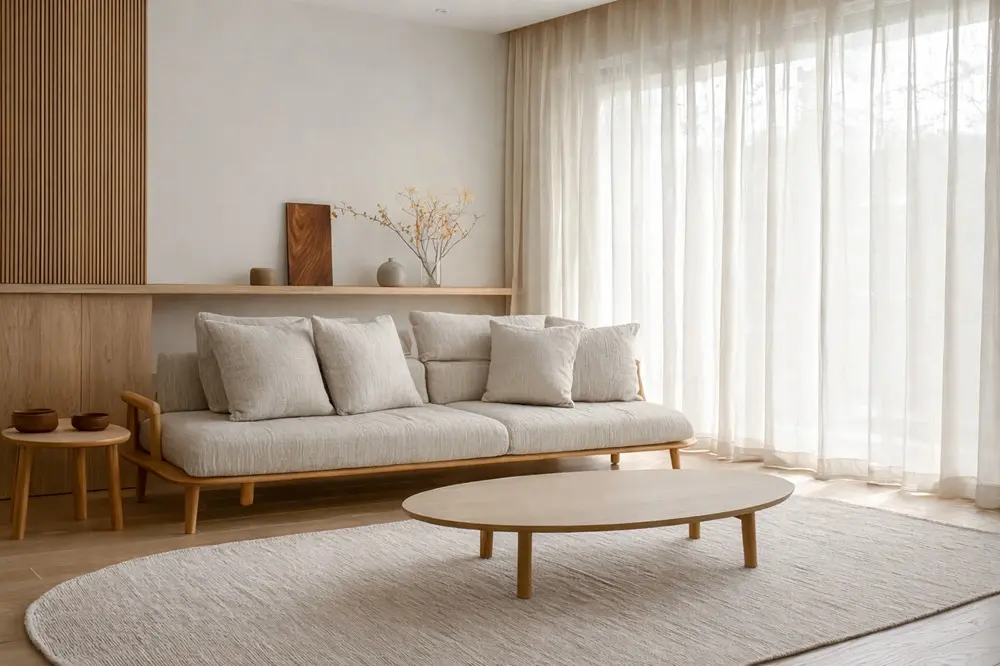
Japandi walls are more than decoration, they shape the calm, balance, and intention of a home. By choosing materials rooted in Japanese and Scandinavian traditions—wood slats, textured plaster, washi paper, or smooth painted finishes, walls become active elements that influence atmosphere, light, and texture.
Each material brings its own character: wood adds rhythm and warmth, plaster softens with subtle imperfection, washi and textiles offer gentle tactility, and painted walls provide calm versatility. Paired with minimal art, natural furnishings, and soft lighting, these walls support serene, restorative interiors.
In Japandi design, less is more. By selecting materials thoughtfully and leaving space to breathe, walls transform everyday interiors into mindful, balanced spaces that nurture both body and mind.
*Some of the images featured in this article were created using generative AI.