

Japandi Interior Design Unveiled: 7 Steps to Achieve the Look
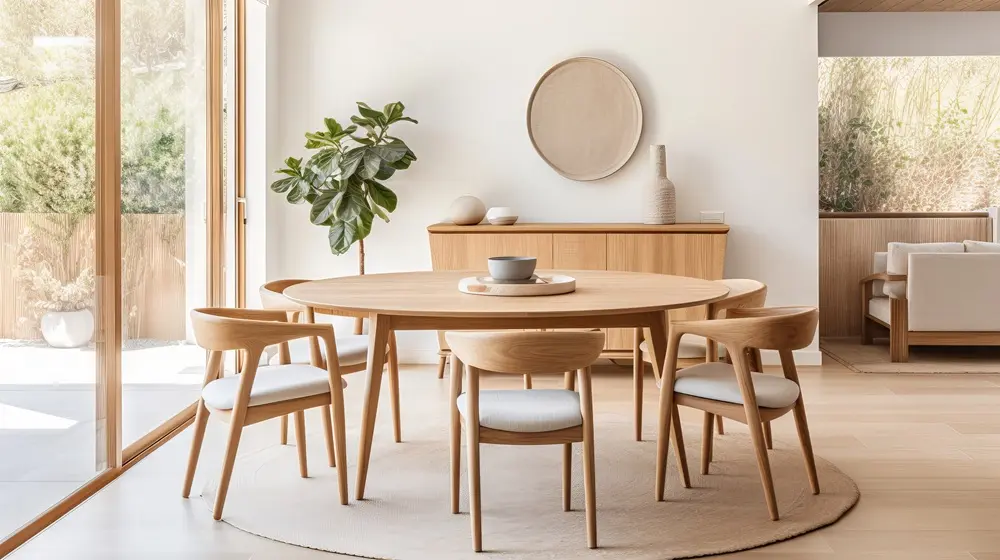
Japandi interior design brings together two design philosophies that, while rooted in different parts of the world, share a deep respect for simplicity, craftsmanship, and intentional living. By blending the warmth and functionality of Scandinavian interiors with the quiet elegance of Japanese spaces, Japandi creates homes that feel calm, balanced, and quietly refined.
In recent years, this style has gained global popularity among homeowners seeking more than just aesthetics. Japandi is not about decorating a space—it is about shaping an environment that supports clarity, comfort, and everyday living. Drawing on the cozy hygge of Scandinavian design and the imperfect beauty of wabi-sabi in Japanese philosophy, Japandi offers a timeless approach to living, one that is minimal yet warm, refined yet deeply livable.
History of Japandi Interior Design
The origins of Japandi interior design can be traced to early cultural exchanges between Japan and the Nordic region, where a shared appreciation for craftsmanship, natural materials, and thoughtful design began to take shape.
Over time, these influences evolved into a cohesive design language defined by clarity, warmth, and balance. Japanese design contributes a sense of quiet refinement, creating a calm and sophisticated atmosphere that values white space, simplicity, and subtle detail. Scandinavian interiors complement this with practicality rooted in everyday living, along with a sense of comfort that enriches time spent at home.
Together, these influences evolved into a cohesive design language celebrated today for its understated elegance and intentionality.
Beyond its visual appeal, it is rooted in a deeper philosophy—one that shapes how spaces are experienced.
The Philosophy Behind Japandi
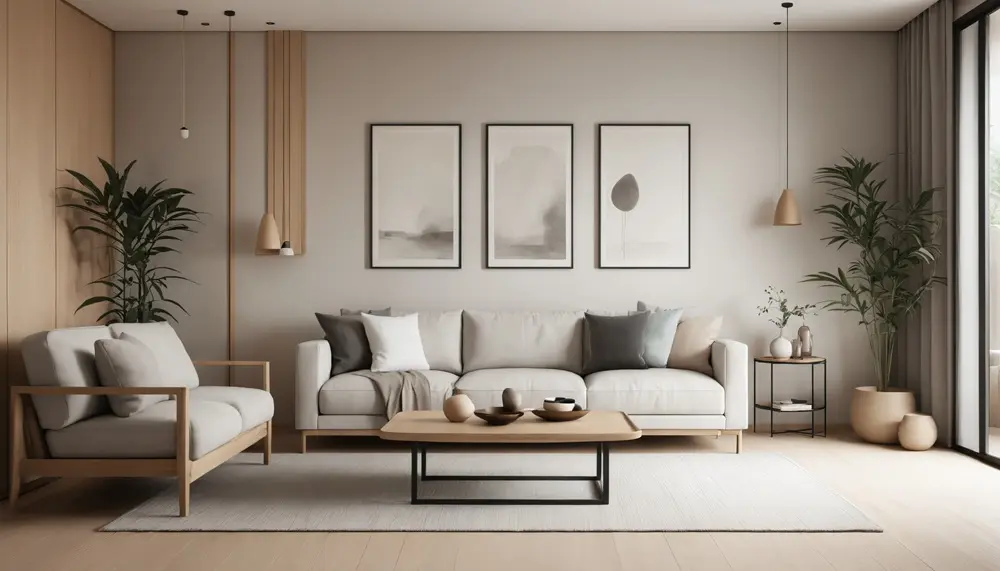
At its core, Japandi embraces simplicity, balance, and purposeful living. Japanese interiors emphasize restraint, where every object serves a purpose and beauty is found in natural textures, subtle imperfections, and the passage of time. This approach values authenticity and calm over perfection.
Scandinavian design complements this with a focus on comfort and livability. Clean lines are softened with warm textures, creating spaces that feel inviting rather than stark. The concept of lagom—not too much, not too little, guides the balance, ensuring interiors feel complete without excess.
Together, these philosophies form the foundation of Japandi design. By pairing minimal forms with warmth and functionality, Japandi creates spaces that are both refined and livable—calm, balanced, and intentionally designed for everyday comfort.
Key Elements of Japandi Interior Design
Japandi interior design blends Japanese wabi-sabi with Scandinavian lagom, emphasizing minimalism, balance, and natural materials. It prioritizes decluttered, functional spaces while adding coziness through soft furnishings and muted color palettes.
1. Minimalist Aesthetics
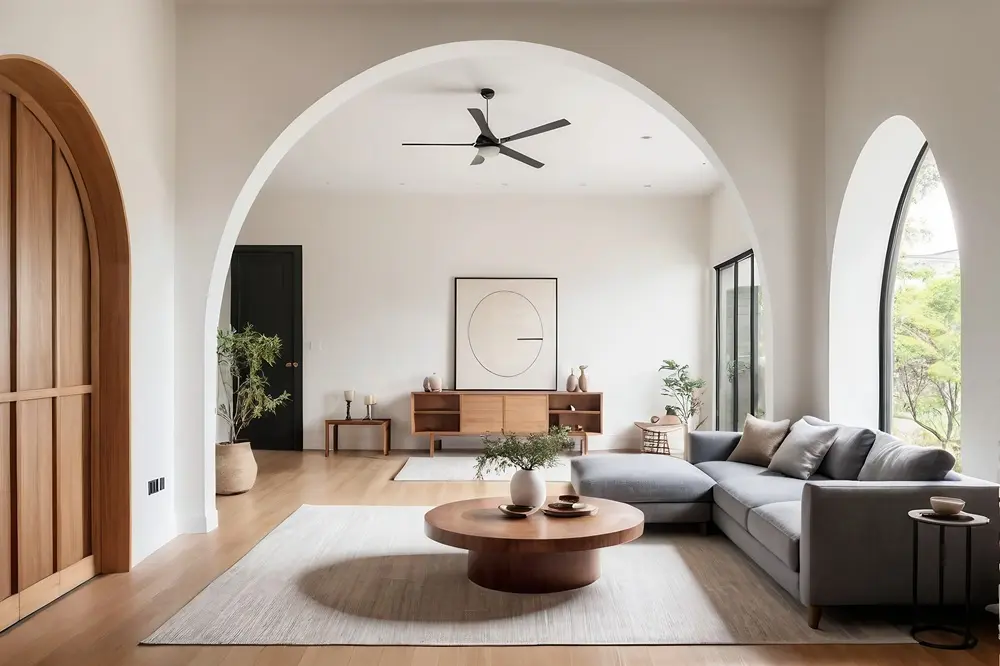
The cornerstone of Japandi interior design is the principle of "less is more". Subtle, streamlined forms highlight the natural beauty of materials and the overall structure of the space.
This minimalist approach encourages restraint and simplicity, making Japandi an ideal design for those seeking an uncluttered, peaceful retreat that values functionality as much as beauty.
2. Natural Materials and Cozy Textures
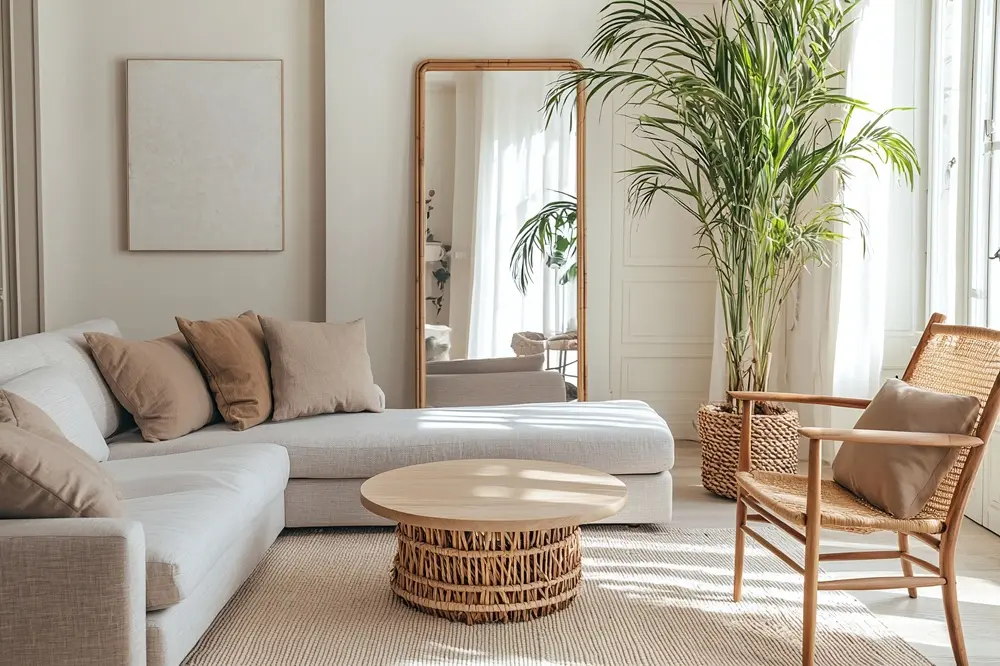
Japandi emphasizes organic elements that age gracefully and offer a tactile experience. Wood plays a central role, pairing light tones like oak and ash, commonly used in Scandinavian furniture, with darker woods such as walnut and cedar, often seen in Japanese interiors. These materials add warmth and richness to the space while maintaining the clean, understated lines that characterize Japandi interiors.
Other organic materials such as bamboo, linen, stone, and rattan are also frequently incorporated to create a sense of harmony and balance that is both visually appealing and spiritually soothing.
3. Neutral and Muted Color Palette
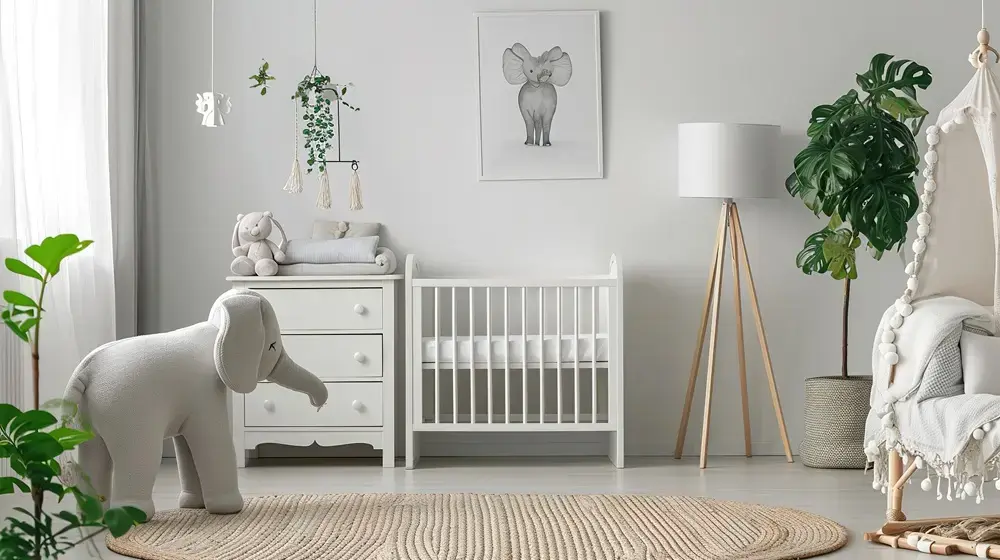
A base of soft, neutral and understated colors such as whites, off-whites, beiges, grays, and taupes form the foundation of Japandi interiors. White and light gray are particularly favored for walls, ceilings, and larger furniture pieces, providing a blank and expansive canvas. These neutral tones also reflect natural light, contributing to the overall sense of airiness.
Muted colors such as shades of warm grays, earthy greens, soft blues, and dusky pinks are introduced through accent pieces such as textiles and wall decor. They add depth and interest without disrupting the calm aesthetic.
7 Steps to Achieve the Japandi Look
Creating a Japandi interior is all about combining simplicity, functionality, and natural beauty in a way that feels balanced and intentional. The following steps cover 7 steps for achieving this look, from selecting the right furniture and color palette to incorporating textures, lighting, and subtle Japanese and Scandinavian-inspired touches.
1. Promote Balance and Moderation
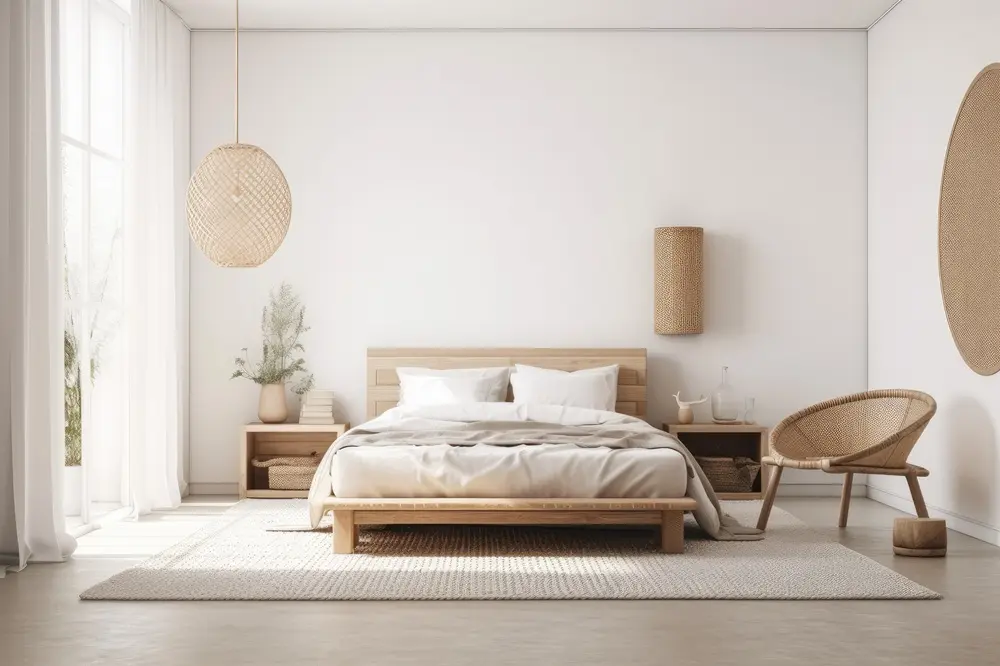
Aim for spaces that feel complete but uncluttered, following lagom. Symmetry, proportion, and simple paired arrangements like matching oak bedside tables, reinforce visual harmony while remaining practical. Placing a bed in the center of the room, anchored by a large grey carpet beneath, creates a focal point that balances the space. This arrangement emphasizes openness while grounding the room with texture and subtle contrast, keeping the overall aesthetic calm and intentional.
2. Select Minimalist, Low-Profile Furniture
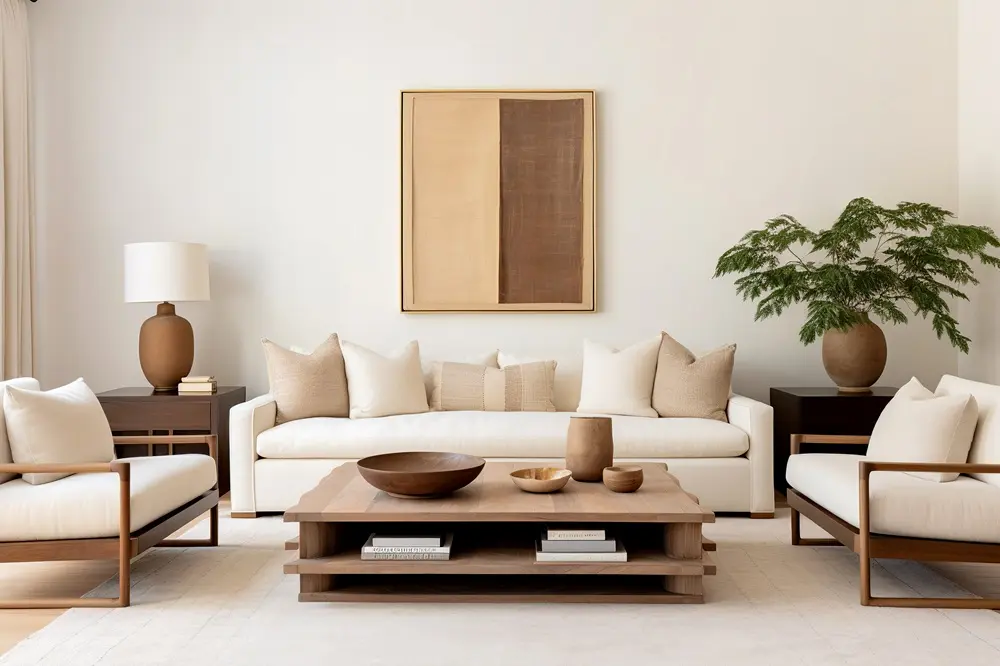
Furniture should be low-profile, clean-lined, and understated, designed to enhance rather than dominate the space. Rooted in the aesthetics of subtraction, this approach focuses on removing the unnecessary to reveal clarity and purpose. A linen-upholstered sofa in a soft oatmeal tone with wooden legs is a perfect example, offering a cozy seating option while complementing natural materials in the room. A low, matching wooden coffee table placed in the center further reinforces harmony and balance, providing functionality without disrupting the minimalist aesthetic.
3. Combine Design with Functionality
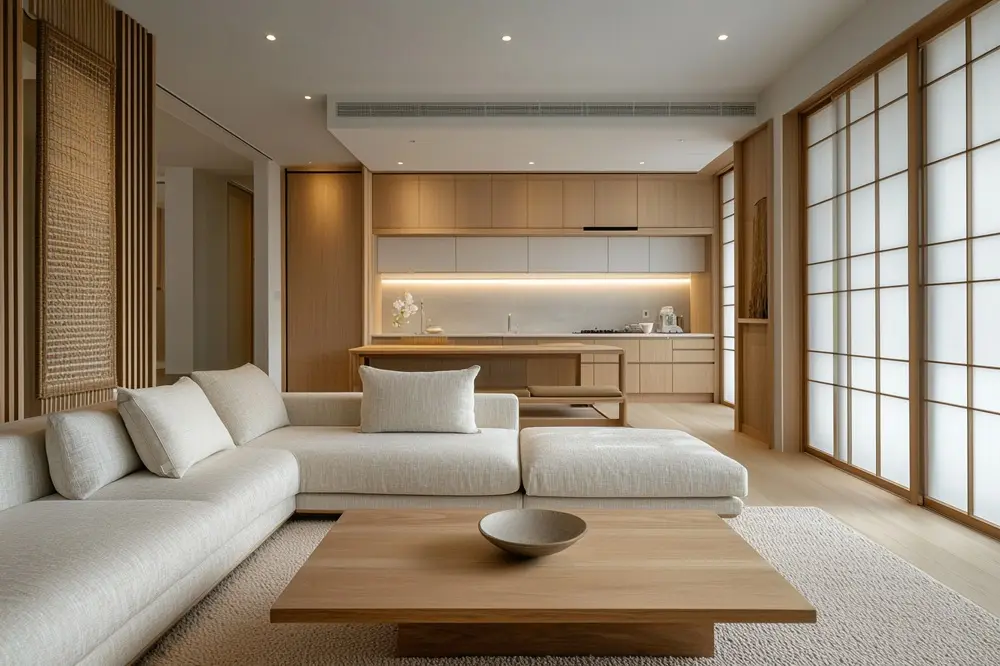
Every piece in a Japandi home should serve a purpose, reflecting the beauty of utility where form and function are inseparable. Multifunctional furniture helps keep spaces uncluttered while supporting daily living. For instance, a storage ottoman with a linen cover and hidden compartment provides seating, a surface, and storage all in one. Behind the sofa, wooden partitions create a cozy nook while acting as functional dividers, subtly separating areas without disrupting openness.
4. Choose a Neutral, Earthy Color Palette
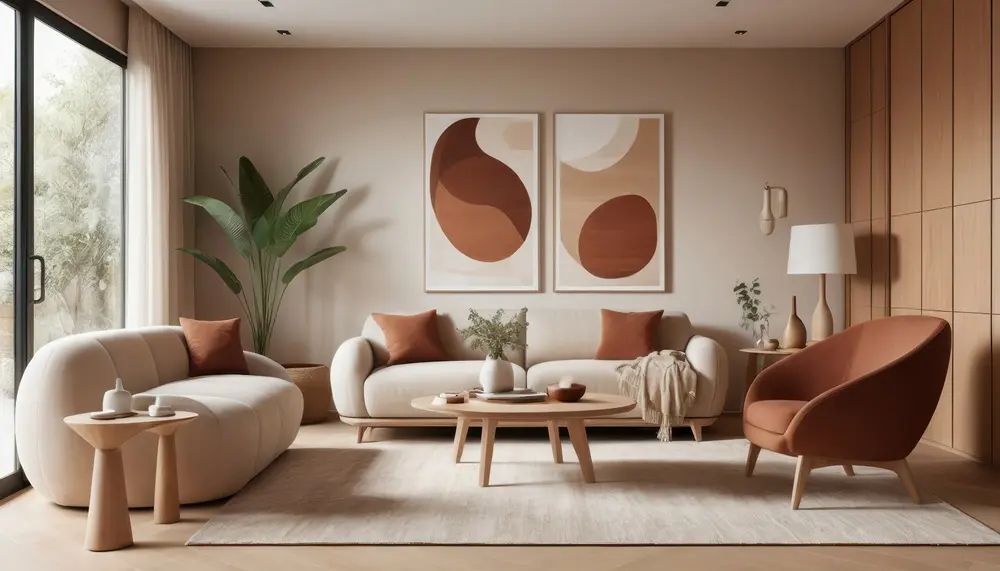
A restrained color palette is key to creating a calm and cohesive environment. Grounded in harmony with nature, soft neutrals like warm beige and sand reflect natural landscapes, setting a soothing foundation across walls and larger furniture pieces. These tones are complemented by richer accents such as terracotta cushions, warm wood paneling, and muted artwork, adding depth without overwhelming the space. By maintaining consistency in warm, nature-inspired hues, the overall look remains harmonious, creating an inviting atmosphere that feels both refined and comforting.
5. Use Natural and Soft Lighting
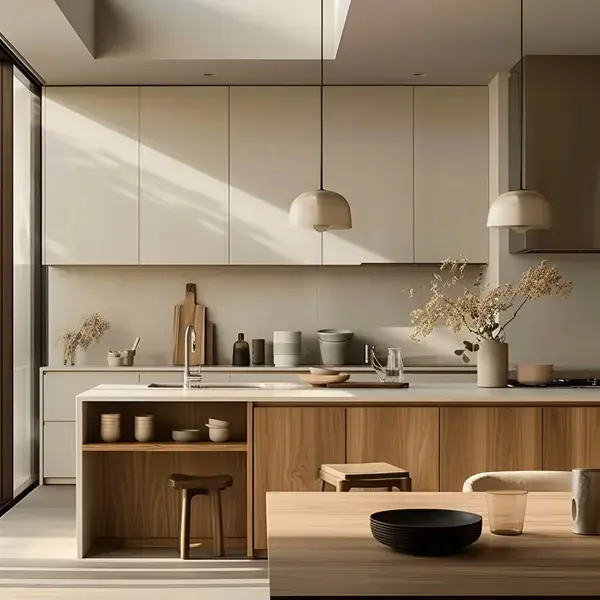
In a Japandi kitchen with a calm, neutral palette, lighting should feel gentle, warm, and inviting, creating a sense of hygge—comfort, coziness, and quiet contentment. Floor-to-ceiling windows allow sunlight to fill the space, highlighting natural wood tones, muted cabinetry, and soft textures. Minimalist pendant lights or recessed lighting add a soft, diffused glow, enhancing the serene atmosphere. Layered lighting subtly accentuates the tactile qualities of wood and stone, creating depth while keeping the kitchen functional, welcoming, and effortlessly cozy throughout the day and evening.
6. Incorporate Japanese-Inspired Elements
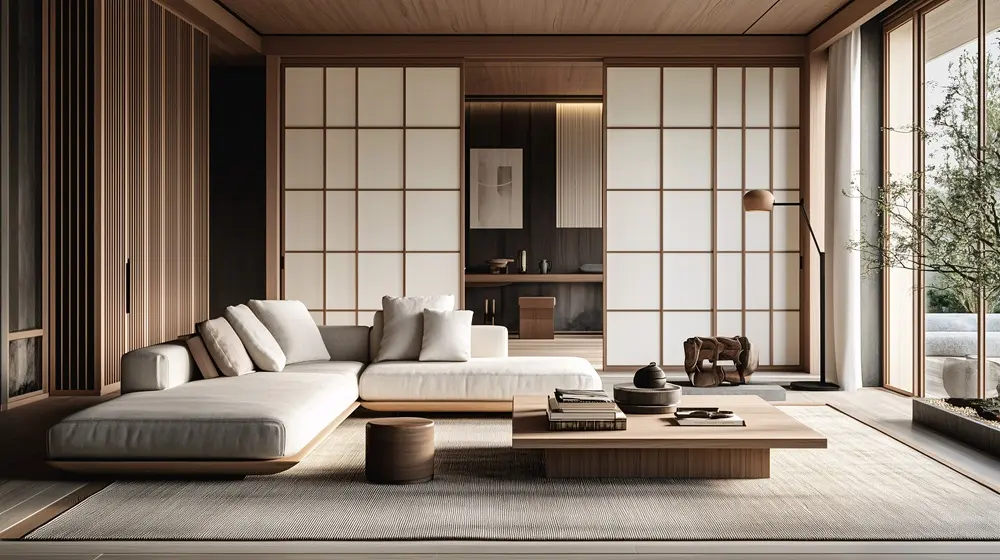
Subtle Japanese-inspired details enrich the Japandi aesthetic without overpowering it. Guided by Zen principles of simplicity and restraint, architectural accents, handcrafted objects, or minimalist decor can anchor the space with intention. A shoji screen introduces a touch of Japanese tradition and elegance while remaining functional as a room divider. A Japanese watercolor wall painting adds a delicate artistic focal point, bringing serenity and cultural depth to the room while reinforcing the style's focus on restraint and thoughtful design.
7. Add Indoor Plants
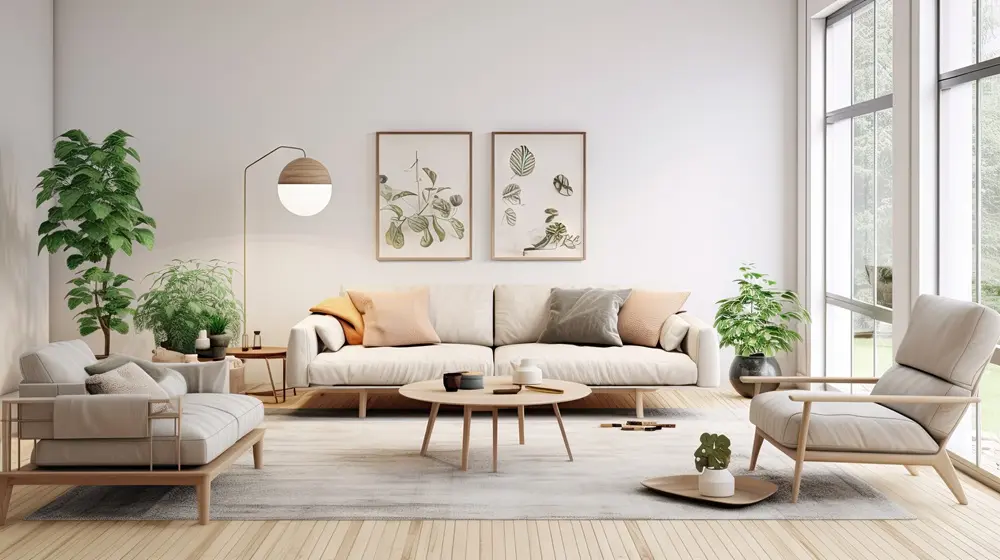
Indoor plants soften clean lines and add life to the space, reflecting a sense of coexistence with nature. Combine small and large plants such as a sculptural plant in a white ceramic pot alongside a taller leafy plant to create visual variety and depth. Framed botanical or nature-inspired artwork can complement the greenery, adding texture and subtle color while integrating seamlessly into the neutral, minimalist Japandi setting.
Benefits of Japandi Interior Design
Beyond its aesthetic appeal, Japandi design offers practical and emotional benefits that enhance everyday living.
1. Supports Mindfulness and Wellbeing
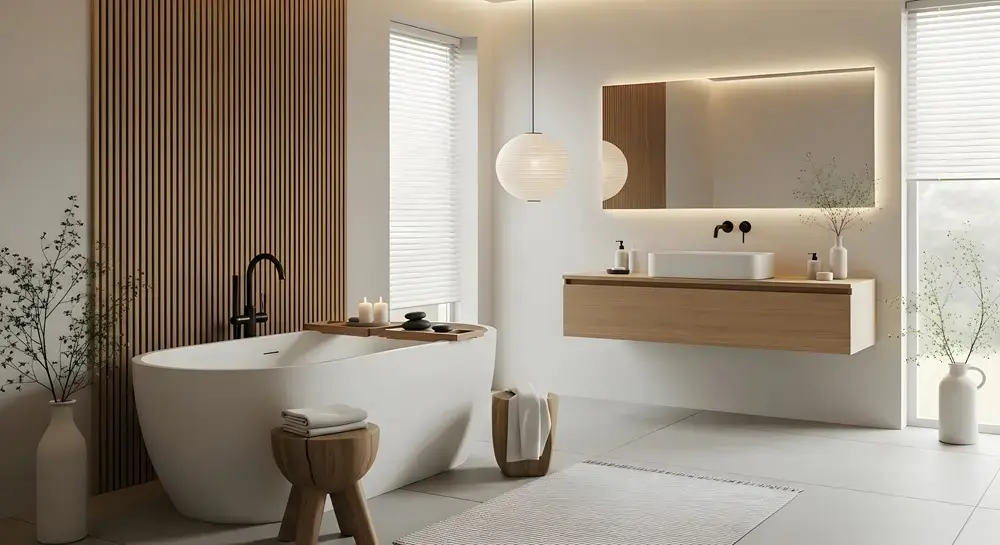
Japandi spaces promote a sense of calm and clarity. By reducing clutter and focusing on intentional design, they help create an environment that feels peaceful and restorative. This can have a positive impact on mental wellbeing, encouraging a slower and more mindful way of living. For a richer mood and a sophisticated take on the conventional Japandi style, Dark Japandi incorporates deeper, richer colors and contrasts while maintaining the same serene and balanced atmosphere.
2. Encourages Sustainability
With a focus on natural materials, quality craftsmanship, and longevity, Japandi aligns closely with sustainable design principles. Instead of following fast-changing trends, it encourages investing in fewer, well-made pieces that age beautifully over time, reducing waste and promoting more conscious consumption.
3. Offers Timeless Appeal
One of the defining strengths of Japandi design is its timelessness. Neutral colors, simple forms, and natural materials allow interiors to remain relevant across changing trends. Whether you are drawn to light, airy palettes or the richer tones of Dark Japandi, the design evolves naturally, requiring minimal updates while maintaining a fresh, modern feel.
4. Ideal for Small Spaces
Japandi's focus on functionality and simplicity makes it particularly well-suited for compact homes. Thoughtful layouts, multipurpose furniture, and uncluttered surfaces help maximize available space while maintaining comfort. This makes it an especially appealing choice for urban living environments.
From Concept to Comfort: Embracing Japandi in Your Home
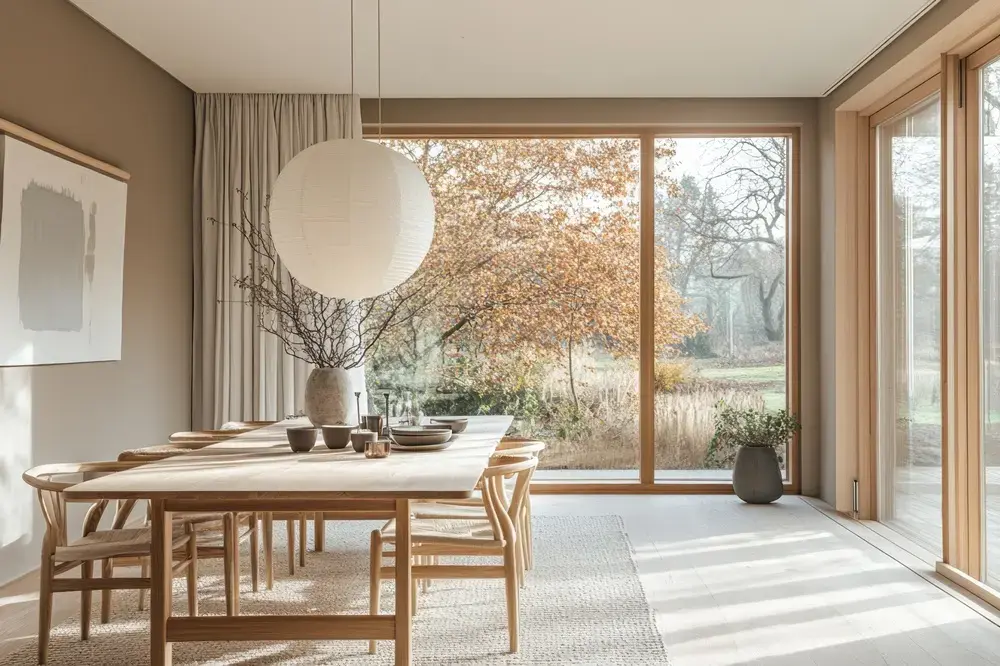
Japandi interior design is more than a visual style, it is a way of living. By embracing simplicity, natural materials, and thoughtful design, it creates spaces that feel calm, functional, and deeply comforting.
Whether you are redesigning a single room or your entire home, adopting Japandi principles allows you to build an environment that supports both beauty and everyday life—quietly, intentionally, and sustainably.
*Some of the images featured in this article were created using generative AI.