

The Art of Kiyomeru: How Japanese Cleaning Purifies the Mind and Cares for the Home
- More Than a Chore: The Soul and Science of Japanese Cleaning
- Kiyomeru and Souji: Understanding the Japanese Cleaning Philosophy
- Osouji: The Annual Reset to Welcome New Beginnings
- Japanese Cleaning Habits for a Calm and Structured Home
- Creating Harmony: How Your Living Space Shapes Your Mind
- Embracing the Japanese Way of Cleaning Every Day
In many households, cleaning is often seen as something to do only when dirt becomes visible. It is a task that gets postponed until the weekend or before guests arrive.
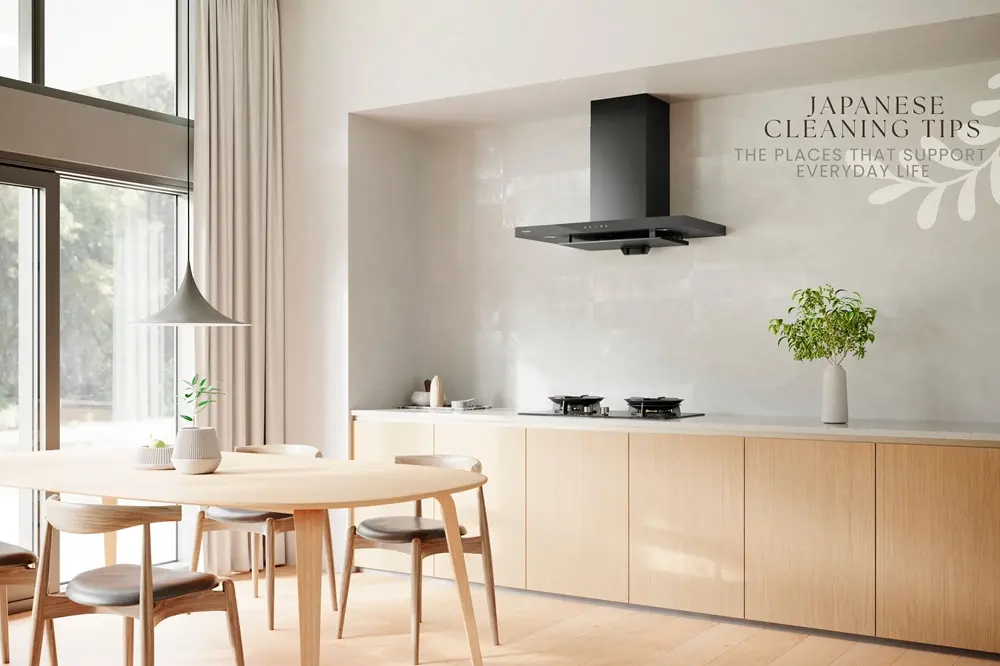
In Japan, however, cleaning has long been viewed differently. Rather than simply removing dirt, it is regarded as a way to care for the spaces used every day. A clean environment encourages respect for the home, supports daily routines, and creates a sense of calm that extends beyond the physical space.
This philosophy is captured by the concept of kiyomeru—to purify or cleanse. While cleaning certainly keeps a home hygienic, it also encourages mindfulness, consistency, and appreciation for the places that support everyday life.
As modern lifestyles become increasingly busy and cluttered, many people are discovering that Japanese cleaning offers more than practical housekeeping tips. It provides a simple, sustainable way to maintain both the home and a balanced state of mind.
More Than a Chore: The Soul and Science of Japanese Cleaning
Japanese cleaning is rarely viewed as a task reserved for when a room becomes noticeably dirty. Instead, it is practiced regularly to maintain cleanliness before grime has a chance to accumulate.
This proactive approach reflects the belief that caring for one's surroundings is also a way of caring for oneself. By cleaning a little every day, the work remains manageable, while the home continues to feel comfortable and welcoming.
Modern research also supports many of these habits. Cleaner environments reduce visual distractions, help people feel more organised, and create spaces that are easier to relax in. Combined with the steady rhythm of simple cleaning routines, these everyday actions can bring a sense of focus and satisfaction.
Rather than treating cleaning as an unpleasant obligation, the Japanese approach encourages it to become a natural part of daily life.
Kiyomeru and Souji: Understanding the Japanese Cleaning Philosophy
In Japanese culture, cleaning is understood not only as a physical chore but also as a ritual of purification rooted in Shinto and Zen Buddhist traditions. Rather than being limited to the removal of dust or dirt, it is often seen as a way to refresh a space, restore clarity, and show respect for the home and the people who live in it.
The daily practice of souji reflects this philosophy by turning ordinary cleaning into a form of active meditation. As people wipe surfaces, sweep floors, and care for shared spaces, they focus their attention on the task at hand, which helps quiet the mind and create a sense of calm and presence.
The Essence of Kiyomeru
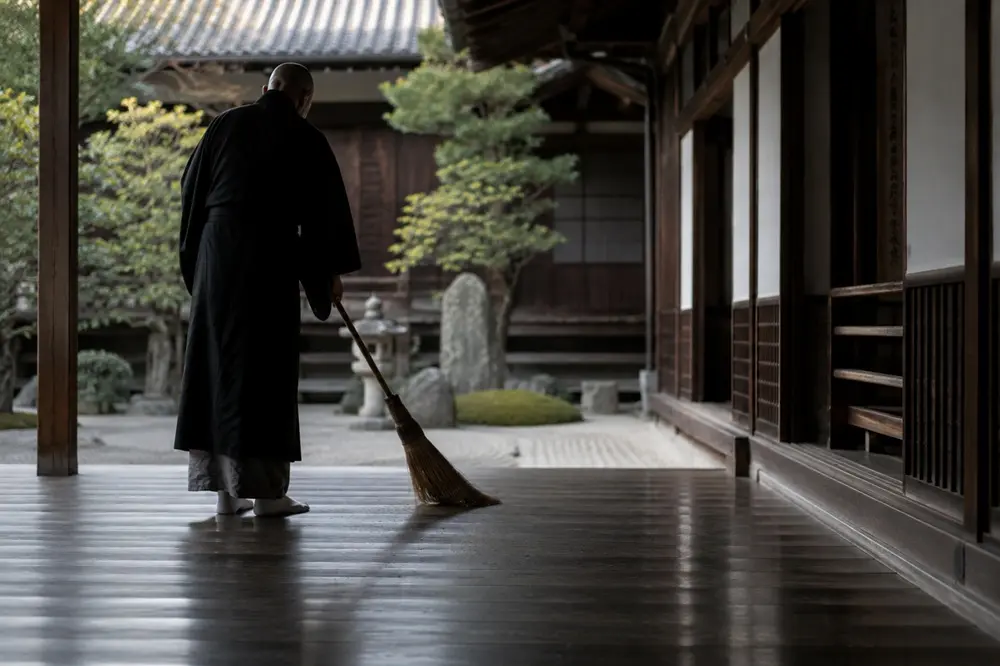
Kiyomeru means "to purify" or "to cleanse." While the word has deep cultural roots, its everyday meaning extends beyond simply removing dust or stains. It is also closely tied to a spiritual perspective in which cleaning becomes a form of self-reflection. In this sense, wiping surfaces or sweeping floors is not just removing dust, but literally "polishing one's own mirror of the soul," establishing a core pillar of the Japanese cleaning philosophy.
Each time a countertop is wiped, a floor is swept, or a sink is cleaned, attention is given to the environment that supports daily living. The act becomes an opportunity to refresh both the space and one's mindset.
Instead of waiting until dirt becomes overwhelming, maintaining cleanliness regularly helps preserve the condition of the home while creating a sense of order that carries into daily life.
Souji as Daily Mindfulness
Souji simply means cleaning, but in Japan it has traditionally carried a deeper meaning.
Rather than focusing solely on making a room look tidy, souji emphasises maintaining cleanliness through consistent care. Removing dust, wiping surfaces, and cleaning frequently used areas are viewed as ways of respecting the spaces that support everyday life.
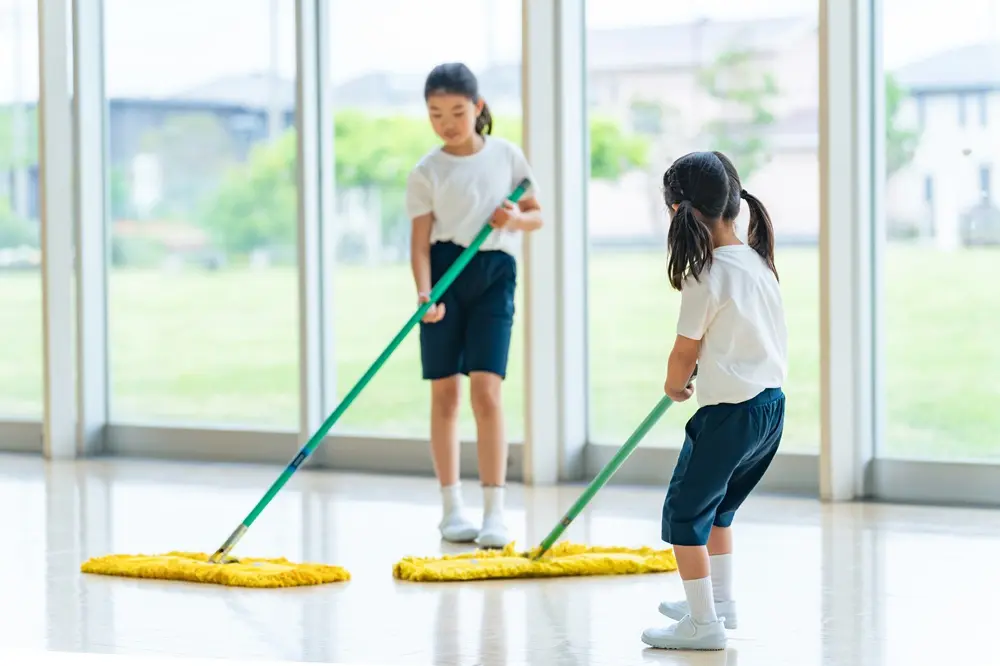
This philosophy is introduced from an early age. In many Japanese schools, students participate in short daily cleaning sessions, taking responsibility for classrooms, hallways, and shared spaces. Beyond keeping the school clean, these activities help cultivate responsibility, cooperation, and consideration for others by encouraging children to care for the places they use themselves.
Whether at school or at home, regular souji reinforces the idea that maintaining a clean environment is a shared responsibility. Through these small daily actions, cleaning becomes not merely about reacting to dirt, but an act that reminds us of our consideration and respect for the space—allowing us to re-examine our relationship with it and recognize its true value.
Osouji: The Annual Reset to Welcome New Beginnings
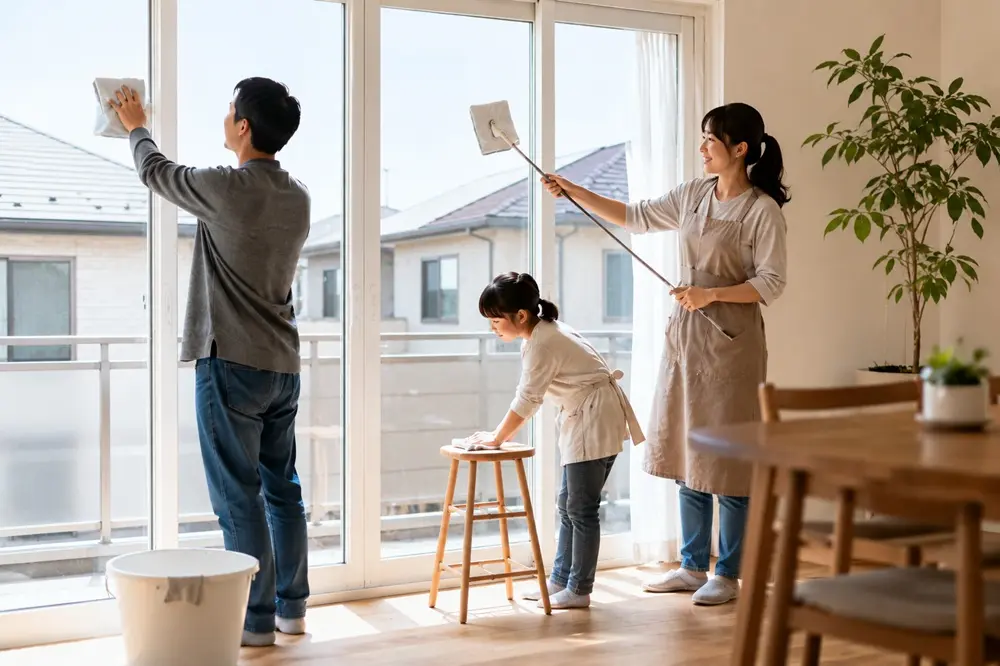
Daily cleaning keeps the home comfortable throughout the year, but Japan also observes a larger tradition known as osouji, or year-end grand cleaning.
Unlike spring cleaning in many countries, osouji is performed in late December before the New Year. It is both a practical and symbolic tradition, allowing families to remove accumulated dirt while preparing the home for a fresh beginning.
The process extends beyond visible areas to places that are often overlooked throughout the year, creating a sense of renewal before welcoming the year ahead.
The Spiritual Ritual of Osouji
The origins of osouji are closely connected to Japanese tradition and Shinto beliefs.
Historically, homes were thoroughly cleaned in late December to welcome Toshigami-sama, the deity believed to bring blessings for the coming year. Dust, grime, and neglected corners symbolically represented the past year's accumulation, making cleaning an act of renewal rather than simply household maintenance.
Even today, many families continue this tradition. Deep cleaning before the New Year offers an opportunity to reflect on the past year while preparing both the home and daily routines for a fresh start.
How to Practice Annual Resets in Modern Busy Lives
To make this philosophy practical, annual resets can be adapted to modern busy lives without losing their meaning. Instead of treating year-end cleaning as one large task, you can approach it as a flexible routine that fits your schedule and still gives your home a meaningful refresh.
Break the Reset Into Smaller Sessions
If a full year-end cleaning feels overwhelming, break the reset into smaller sessions and spread the work across several days or weekends. This makes the process feel more manageable and easier to fit into a busy schedule.
Schedule Seasonal Resets
Many households find it easier to do a deep clean every three or six months instead of waiting until December. Scheduling resets seasonally helps keep cleaning consistent and prevents buildup from becoming too difficult to handle.
Focus on Overlooked Areas
Pay attention to spaces that are often missed in daily routines, such as behind appliances, inside cabinets, wardrobes, and storage areas. These spots tend to collect buildup quietly, so giving them extra care can make a big difference.
Treat the Reset as a Fresh Start
Use each cleaning session as a chance to clear away buildup and begin the next season with a lighter, more organized home. Thinking of the reset as a fresh start can make the process feel more meaningful and rewarding.
Balance Reset and Routine
Combine deeper seasonal resets with simple everyday habits. This balance ensures your home stays consistently clean without relying too heavily on occasional intensive cleaning sessions.
Japanese Cleaning Habits for a Calm and Structured Home
The strength of Japanese cleaning lies not in intensive cleaning sessions but in preventing dirt from accumulating in the first place.
Small actions completed throughout the day reduce the need for exhausting weekend cleaning while making everyday maintenance feel effortless.
The Clean-as-You-Go Mindset
In Japan, there is a strong philosophy of preventing dirt from accumulating in the first place, where cleaning is naturally woven into daily life. Rather than being treated as a separate chore, it is integrated into everyday actions, helping spaces stay consistently tidy with minimal effort.
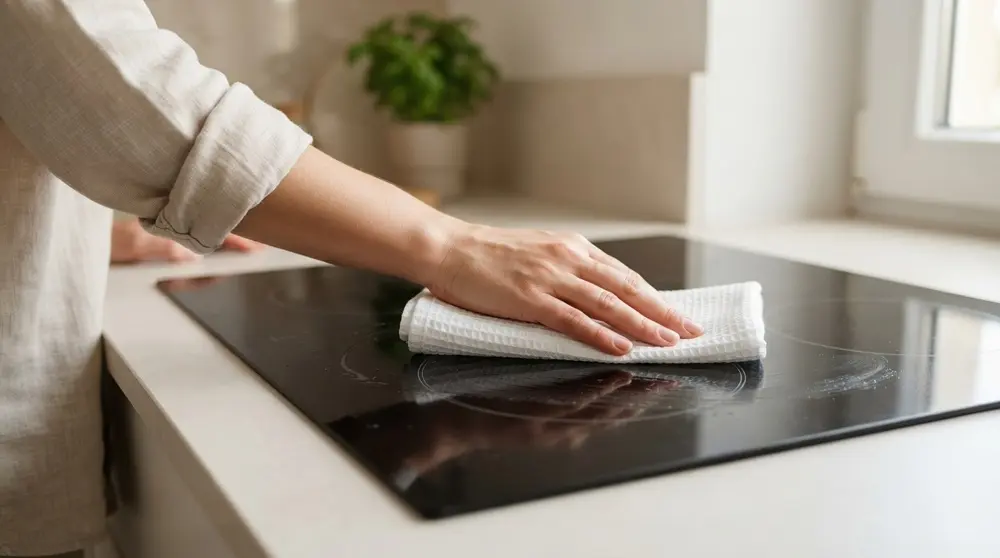
A clear expression of this mindset is incidental cleaning, the practice of addressing mess while it is still fresh and easy to remove. This includes wiping up spills immediately, returning tools after use, and clearing surfaces during an activity rather than waiting until it is finished.
Japanese kitchens reflect this approach in everyday practice. Cooking and cleaning often happen side by side: pots are washed while another dish is still simmering, cutting boards are cleaned right after use, and countertops are wiped down before cooking is fully completed. These small, continuous actions prevent buildup and make the final cleanup almost effortless.
Closely related is preventive cleaning, which focuses on maintaining frequently used areas before dirt and grime have a chance to accumulate. For example, kitchen counters are wiped immediately after food preparation, and bathroom surfaces are cleaned after use to reduce moisture and prevent stains from forming over time.
Another important concept seen in modern Japanese homes is floating storage. While not a cleaning method itself, it supports easier maintenance by keeping surfaces clear. By storing bottles, utensils, and cleaning tools on hooks, rails, or magnetic holders instead of leaving them on counters or floors, surfaces remain unobstructed and can be wiped down quickly and efficiently.
Micro-Cleaning Routines That Take Under Ten Minutes
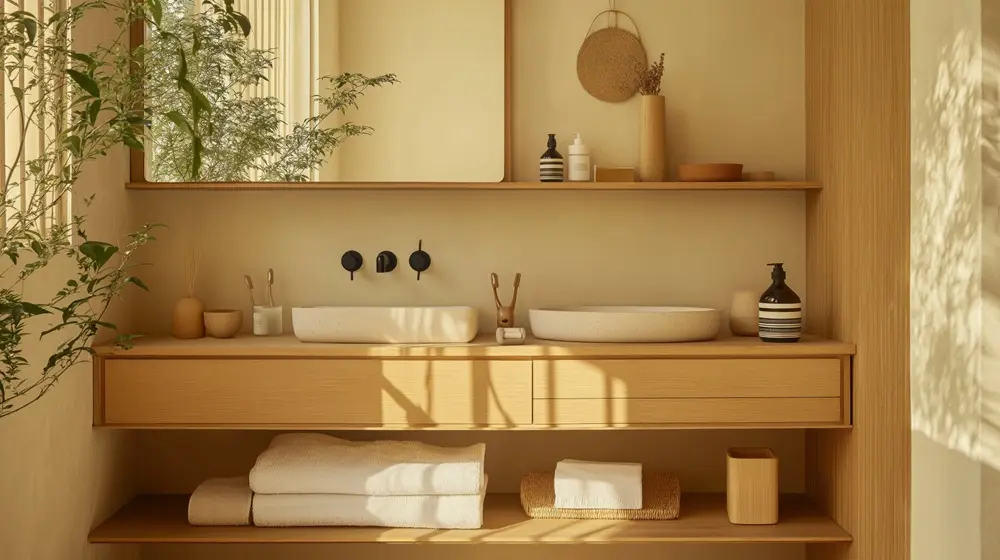
Cleaning does not always require large blocks of time. Many daily tasks can be completed in just five to ten minutes, which helps maintain a clean home without feeling overwhelming.
Examples include opening windows to refresh indoor air, wiping frequently touched surfaces such as light switches and handles, sweeping entryways or kitchen floors, cleaning bathroom mirrors or sinks, and removing dust from visible surfaces. Short, consistent cleaning sessions reduce the workload over time and make it easier to maintain cleanliness throughout the week.
Creating Harmony: How Your Living Space Shapes Your Mind
A clean environment influences more than appearances.
When surfaces are regularly maintained and daily cleaning becomes routine, homes often feel calmer, more organised, and easier to enjoy. The absence of accumulated dirt also reduces the effort required for future cleaning, allowing maintenance to become less stressful.
Rather than pursuing perfection, the Japanese cleaning philosophy encourages steady care through small, consistent actions. Over time, these habits help transform cleaning from a burdensome task into a sustainable daily practice.
Samu: Cleaning as a Practice of Self-Discipline
A concept that reflects this philosophy is samu, a practice found in Zen Buddhism.
In Zen temples, samu refers to everyday work such as cleaning, cooking, and gardening. These activities are not viewed as distractions from spiritual practice but as part of personal cultivation. Through careful attention to ordinary tasks, practitioners develop focus, discipline, and awareness.
Although everyday household cleaning is not generally referred to as samu, the philosophy offers an insightful perspective on Japanese cleaning culture. Caring for the spaces we use each day becomes an opportunity to cultivate attentiveness, responsibility, and respect through action.
In this way, cleaning is not simply about maintaining a home. It is also a practice of caring for the environment that supports everyday life while fostering a calm and balanced state of mind.
Embracing the Japanese Way of Cleaning Every Day
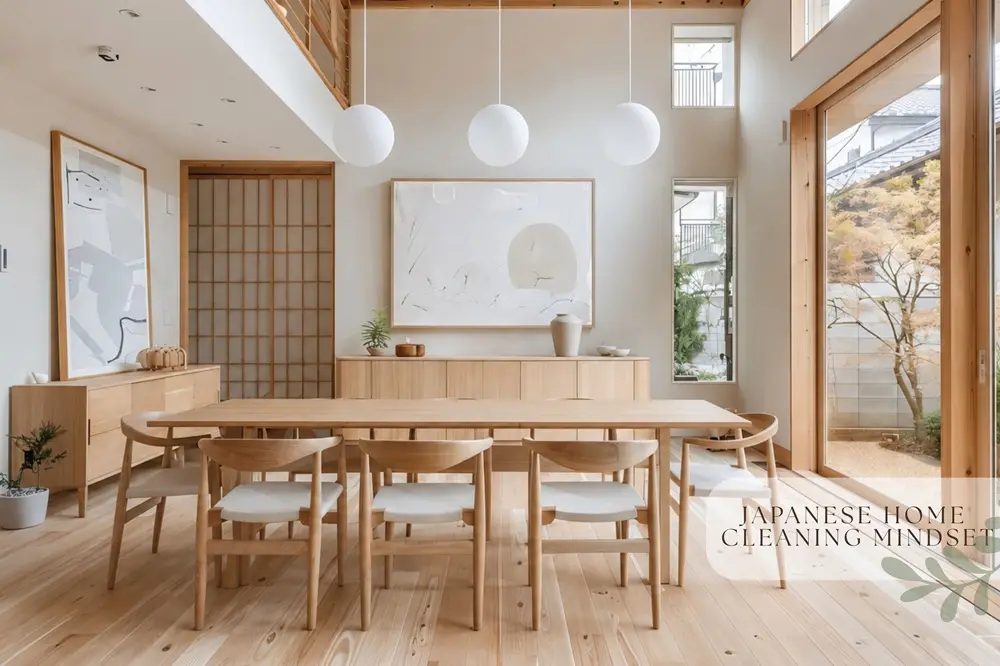
Japanese cleaning demonstrates that maintaining a clean home is about far more than appearances. Through the ideas of kiyomeru, daily souji, and the tradition of osouji, cleaning becomes a way to care for the places we use, appreciate shared spaces, and build sustainable habits that fit naturally into everyday life.
Whether it is wiping the kitchen counter after preparing a meal, spending a few minutes cleaning each morning, or setting aside time for a seasonal deep clean, small and consistent actions help prevent dirt from accumulating while creating a home that feels comfortable and welcoming.
By embracing these simple practices, cleaning becomes less about tackling overwhelming messes and more about cultivating a home, and a mindset that remains refreshed throughout the year.
*Some of the images featured in this article were created using generative AI.