


Japandi Storage Ideas: Decluttering Tips and Minimalist Organization for a Calm Home
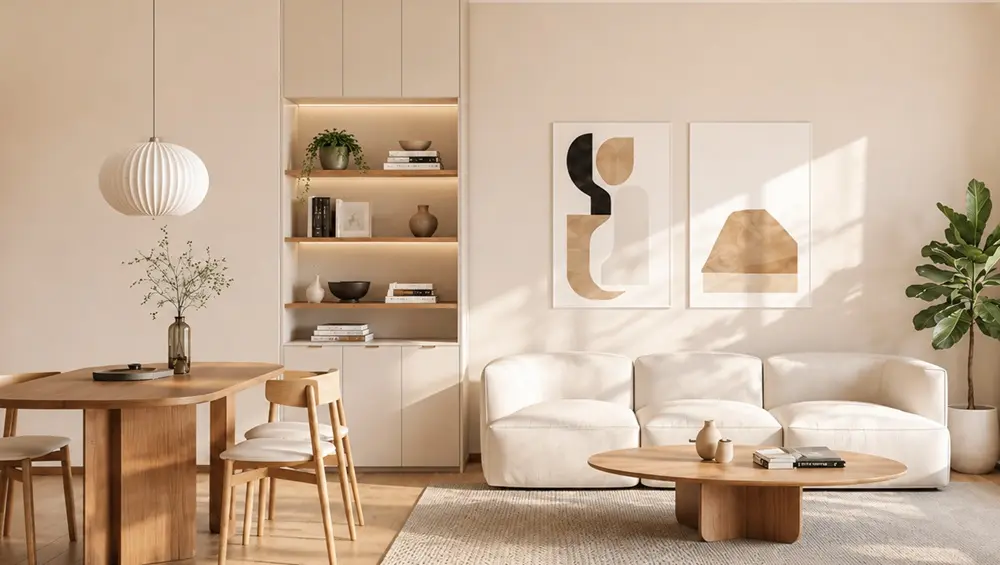
A well-designed home is not defined by how much it can store, but by how thoughtfully it supports everyday living. In Japandi interiors, storage is more than a practical necessity—it is an extension of the design philosophy itself. Every cabinet, shelf, basket, and drawer contributes to creating a space that feels calm, functional, and visually balanced.
Blending Japanese minimalism with Scandinavian practicality, Japandi storage focuses on keeping only what adds value while ensuring daily essentials are easy to find and enjoyable to use. Rather than hiding everything away, it also embraces carefully curated display storage, where beautiful, frequently used objects become part of the interior without creating clutter.
This guide explores the principles behind Japandi storage, practical organization habits, and room-by-room ideas to help create a home that feels peaceful, purposeful, and effortlessly organized.
Why Storage Matters in Japandi Design
Storage plays a central role in Japandi interiors because it shapes both the appearance and functionality of a home. Instead of treating storage as an afterthought, Japandi incorporates it into the overall design, allowing furniture, organization, and architecture to work together seamlessly.
The goal is not to own more storage furniture, but to create a home where every belonging has a purpose and every storage solution contributes to a calmer everyday experience.
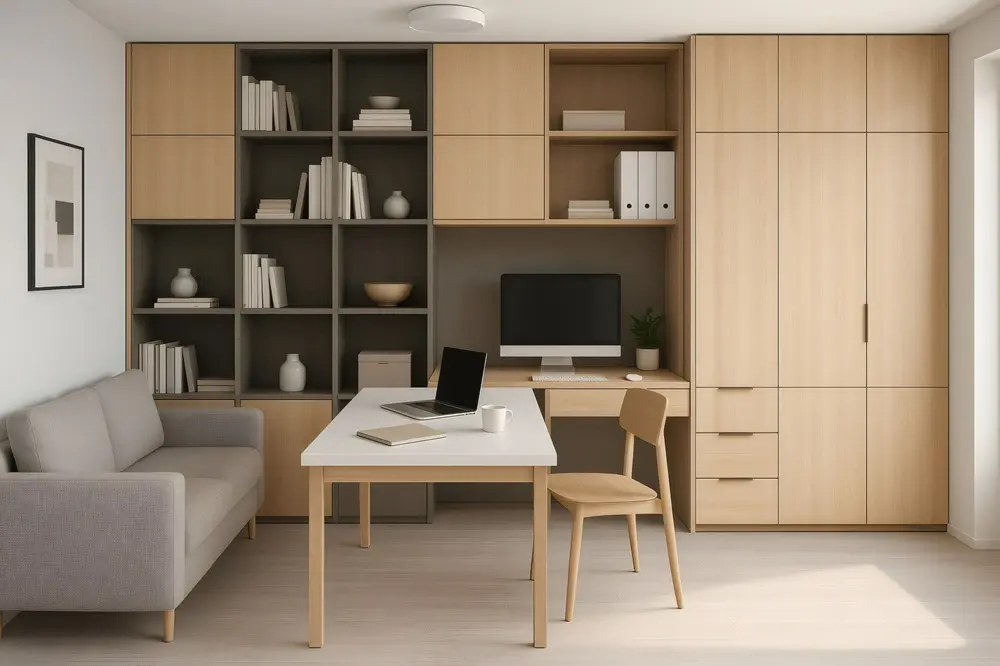
What Defines Japandi Storage?
Intentional organization
Japandi encourages keeping only items that are useful, meaningful, or regularly enjoyed. Every belonging should have a designated place, making daily routines more intuitive while reducing unnecessary visual noise.
At the same time, Japandi embraces display storage. Rather than hiding everything behind cabinet doors, frequently used or aesthetically pleasing items—such as handcrafted ceramics, wooden trays, linen baskets, or favorite books—can be displayed in an organized, restrained manner. These carefully selected pieces become part of the interior while remaining practical and easily accessible.
Intentional empty space
Unlike traditional storage that aims to fill every available shelf, Japandi appreciates negative space. Leaving shelves partially empty creates visual breathing room, highlights natural textures, and allows displayed objects to be appreciated individually rather than competing for attention.
This balance between filled and empty space is one of the defining characteristics of Japandi interiors.
Natural materials
Storage solutions should complement the home's natural palette. Cabinets and shelving made from oak, ash, walnut, bamboo, or other wood species pair beautifully with woven rattan baskets, linen storage bins, cotton organizers, and ceramic containers.
These materials introduce warmth and texture while blending naturally into the overall interior instead of drawing unnecessary attention.
Benefits of an Organized Japandi Home
Visual harmony
Reducing clutter allows clean lines, natural materials, and neutral colors to become the focal points of the room. Instead of numerous small objects competing for attention, the overall space feels cohesive and relaxing.
Better functionality
Well-planned storage places everyday items exactly where they are needed. Whether cooking, working, or relaxing, belongings are easier to access, reducing unnecessary searching and improving daily routines.
Mental well-being
A tidy environment often supports a calmer state of mind. By minimizing visual distractions and surrounding ourselves with meaningful possessions, Japandi storage encourages mindful living and creates a home that feels restorative after a busy day.
The Japandi Approach to Decluttering and Organization
Before choosing storage furniture or buying organizers, Japandi begins with a simpler question: What actually deserves to stay?
This mindset combines two complementary philosophies. From Japan comes the practice of danshari, often translated as decluttering, which encourages letting go of unnecessary possessions to create greater freedom and clarity. From Scandinavia comes an emphasis on practical, comfortable living, where storage is designed to support everyday routines rather than simply hiding clutter.
Together, these approaches encourage owning fewer, better belongings while organizing them in ways that make daily life easier.

Japanese Decluttering Habits
Decluttering through Danshari
Danshari, the Japanese approach to decluttering, encourages carefully evaluating belongings based on whether they continue to serve a meaningful purpose. Rather than storing items "just in case," it promotes keeping possessions that are genuinely useful, regularly used, or personally significant.
The result is not an empty home, but one filled with items that actively contribute to everyday life.
Osoji: The year-end reset
Every year, many Japanese households practise osoji, a thorough year-end cleaning and organizing tradition before welcoming the New Year. Beyond cleaning, it provides an opportunity to reassess possessions, reorganize storage, and begin the coming year with a refreshed living environment.
This annual reset prevents clutter from quietly accumulating over time.
Seasonal organization
Instead of waiting until storage becomes overwhelming, many households review clothing, seasonal decorations, sporting equipment, and household items throughout the year. Regular seasonal organization helps maintain manageable storage while ensuring only relevant items remain easily accessible.
Building Sustainable Organization Habits
One in, one out
Whenever a new item enters the home, consider removing an existing one. This simple habit naturally prevents accumulation and encourages more intentional purchasing decisions.
Store items where they are used
Rather than organizing by category alone, create storage zones based on daily routines. Kitchen utensils belong near cooking areas, office supplies near workspaces, and blankets close to the sofa where they are regularly used.
This reduces unnecessary movement while making everyday tasks more efficient.
Buy with intention
Both Japanese and Scandinavian design philosophies favour quality over quantity. Investing in fewer, well-made products often results in less clutter, longer-lasting belongings, and storage that remains manageable over time.
Room-by-Room Japandi Storage Ideas
Different rooms require different storage solutions, but the same Japandi principles apply throughout the home: simplicity, accessibility, and visual calm.
Living Room Storage: Creating a Calm Shared Space
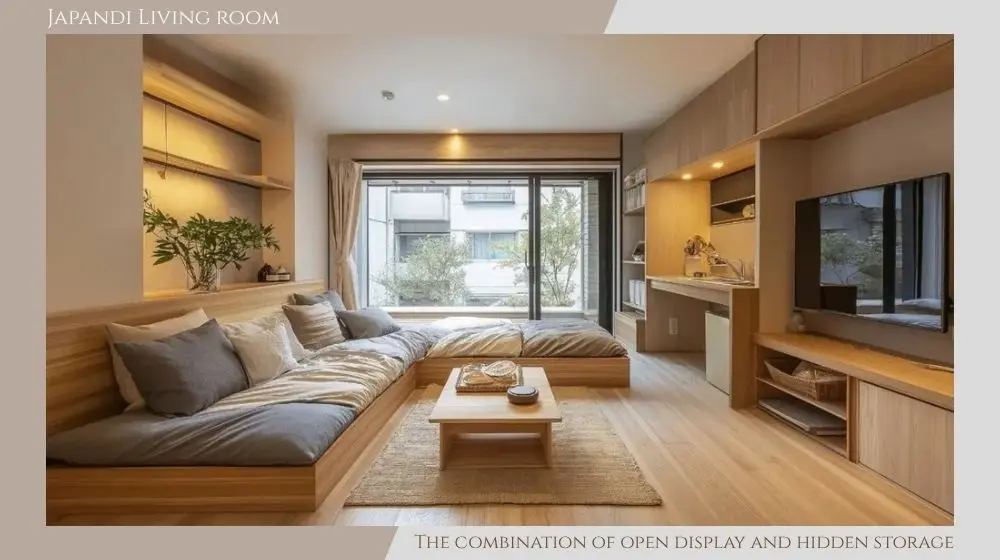
Living rooms naturally collect remote controls, books, toys, blankets, charging cables, and other everyday essentials. Without thoughtful organization, these items can quickly dominate the space.
Low-profile sideboards, floating cabinets, woven baskets, wooden storage boxes, and closed TV consoles provide generous storage while maintaining clean horizontal lines. Frequently used decorative items such as books, ceramics, or plants can be arranged neatly on open shelves, while smaller everyday items remain concealed behind cabinet doors.
This combination of open display and hidden storage keeps the room practical without sacrificing its peaceful atmosphere.
Bedroom Storage: Designing a Restful Retreat
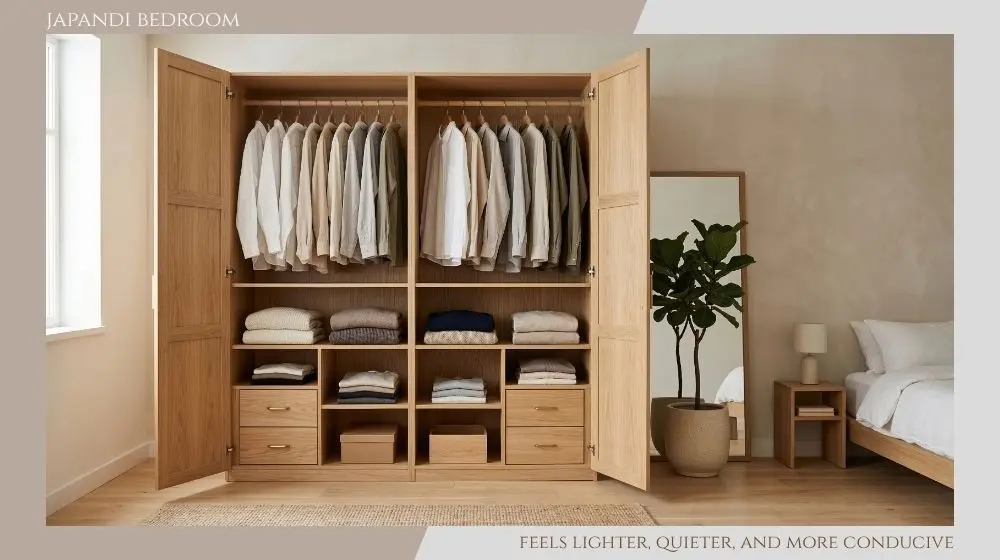
Bedrooms should promote rest rather than remind us of unfinished tasks or overflowing wardrobes.
Wardrobe organizers, drawer dividers, matching storage boxes, and under-bed drawers help organize clothing, accessories, extra bedding, and seasonal items without adding visual clutter. Coordinated storage containers also create a more cohesive appearance inside wardrobes and on open shelving.
A well-organized bedroom feels lighter, quieter, and more conducive to restful sleep.
Kitchen Storage: Balancing Efficiency and Simplicity
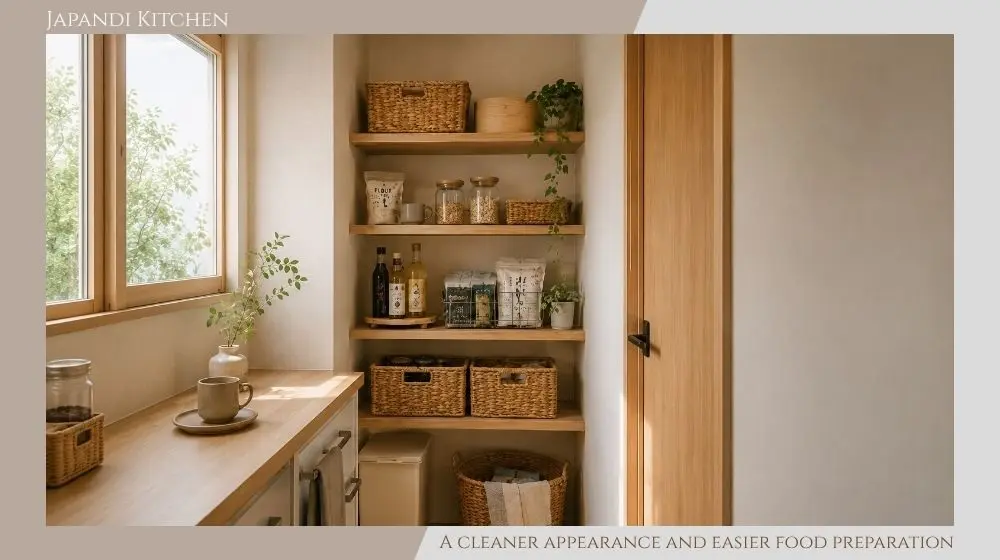
The kitchen often contains the widest variety of objects, from cookware and pantry goods to utensils and small appliances.
Drawer organizers, matching pantry containers, pull-out shelves, wall-mounted rails, and concealed appliance cabinets help maintain orderly work surfaces while improving cooking efficiency. Frequently used cooking tools may also be displayed neatly on rails or open shelves, provided they remain carefully arranged and do not overwhelm the space.
Clear countertops create a cleaner appearance while making food preparation more enjoyable.
Storage Ideas for Small Spaces
Limited floor space does not have to mean limited functionality. Both Japanese homes and Scandinavian city apartments demonstrate how thoughtful planning can make compact interiors feel spacious and comfortable.
Making the Most of Compact Spaces
Japanese homes often maximize vertical walls, narrow gaps, corners, under-bed areas, and spaces above doors to increase storage without expanding the room's footprint.
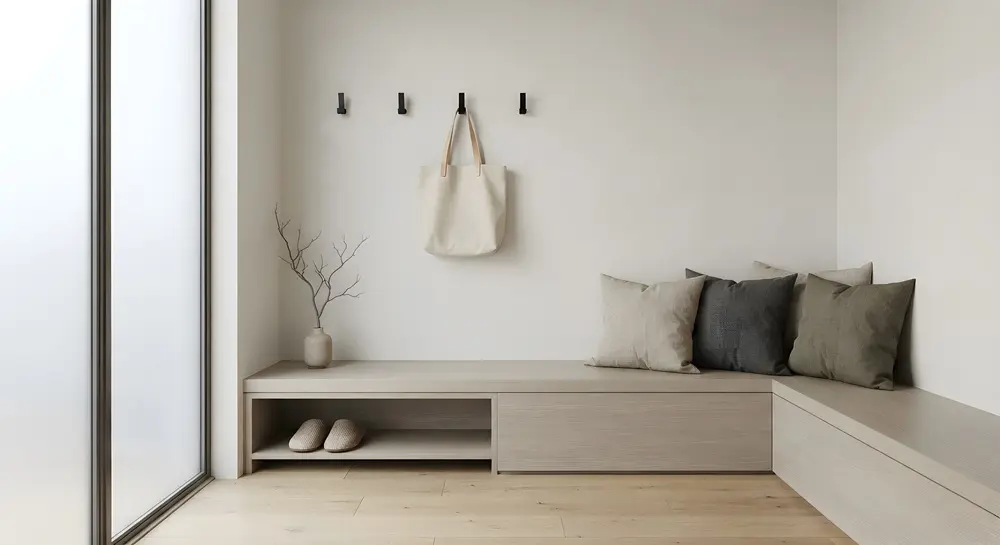
Similarly, Scandinavian interiors frequently integrate storage into the architecture itself. Floor-to-ceiling cabinets, full-wall wardrobes, built-in shelving, storage benches, and beds with integrated drawers provide generous capacity while maintaining uncluttered surfaces. Because these solutions blend into the surrounding architecture, they reduce visual fragmentation and help rooms feel larger.
Floating shelves, slim shelving units, wall hooks, nesting tables, and foldable furniture further improve flexibility while preserving valuable floor space.
Choosing furniture with slim profiles, maintaining open walkways, and avoiding overcrowded layouts all contribute to a greater sense of openness—even in smaller homes.
Hidden Storage Ideas for a Calm Interior
While some objects deserve to be displayed, many everyday necessities are best kept out of sight. Hidden storage allows homes to remain functional while preserving Japandi's clean visual language.
Furniture and Built-in Storage That Blends In
Multi-functional furniture makes excellent use of available space without adding unnecessary bulk. Storage benches, ottomans, coffee tables with concealed compartments, and beds with integrated drawers all provide discreet storage while serving everyday functions.
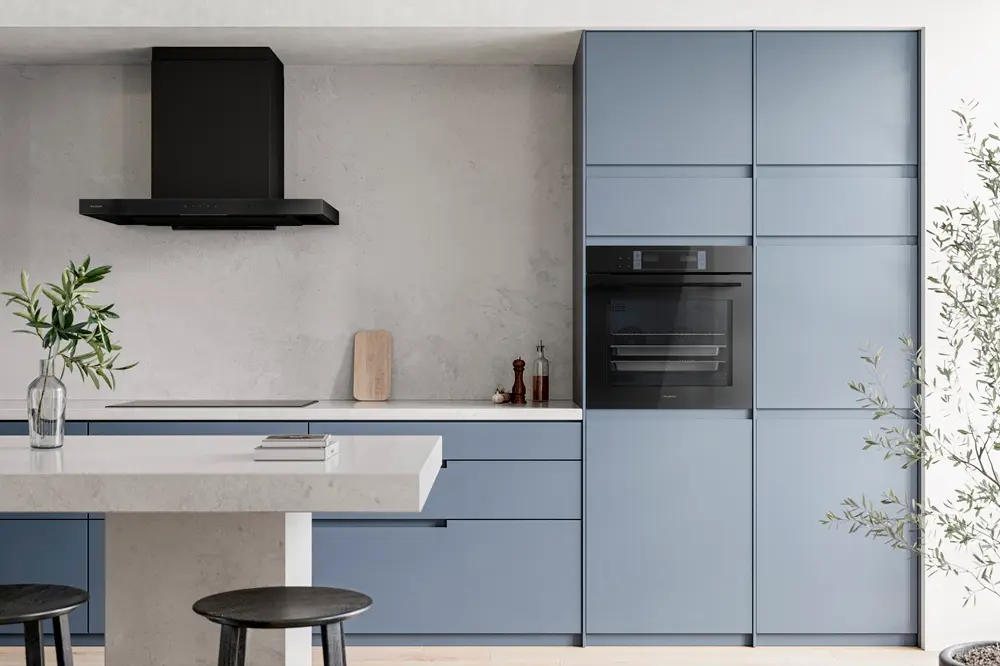
Built-in cabinetry further enhances the seamless appearance. Flat-front cabinets, recessed shelving, wall-integrated storage, and handleless doors blend naturally into the architecture, allowing storage to disappear visually while remaining highly practical.
Furniture and Built-in Storage That Blends In
Storage should feel like part of the interior rather than separate from it.
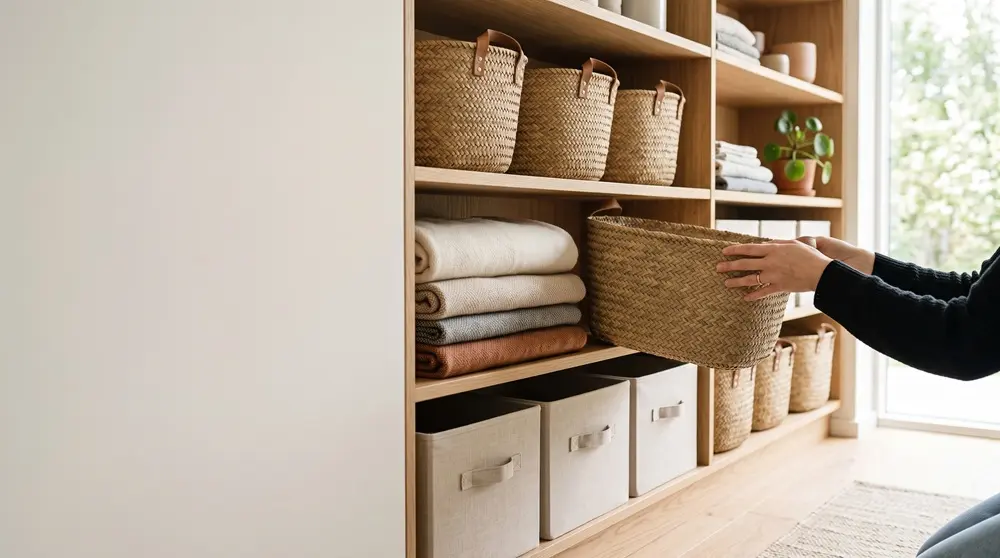
Choosing baskets, storage boxes, and organizers made from coordinating wood, rattan, linen, or neutral-colored fabrics creates consistency throughout the home. Open shelves are most effective when partially empty, displaying only carefully selected objects that balance beauty with usefulness.
Small everyday items, including chargers, tissues, cables, stationery, and miscellaneous household supplies, can be concealed inside matching containers or dedicated drawers, preserving the calm, uncluttered appearance that defines Japandi interiors.
Creating a Home That Feels Calm Every Day
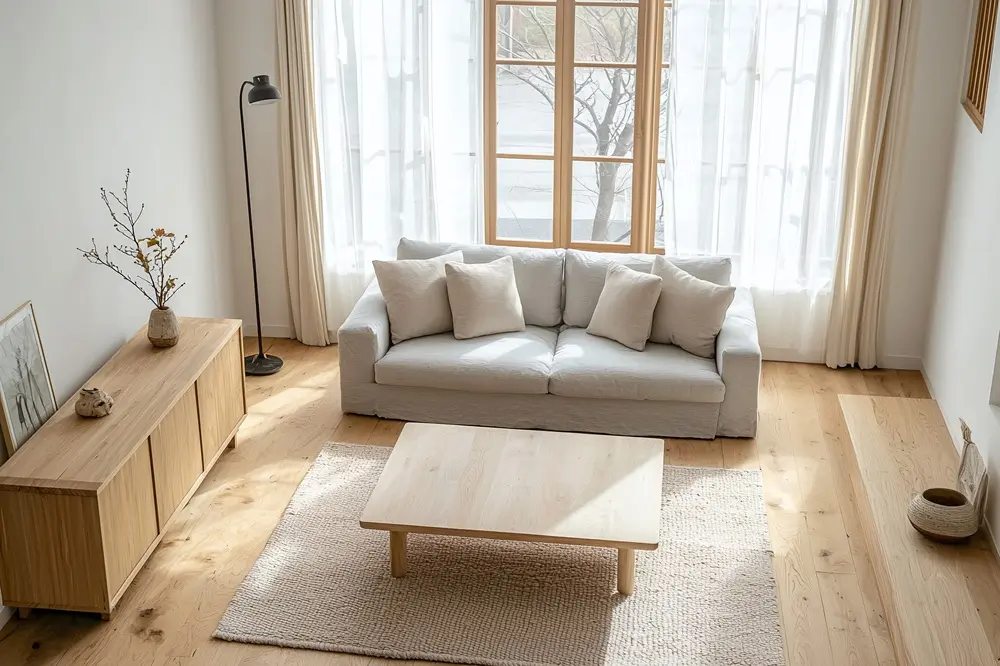
Beautiful storage is not about hiding possessions, it is about creating a home where everything has a purpose and every space supports daily life with ease.
By combining the Japanese principles of danshari and mindful organization with the Scandinavian focus on comfort, functionality, and thoughtful design, Japandi storage offers a practical approach to modern living. From carefully curated display shelves to concealed built-in storage, every solution contributes to a home that feels lighter, more organized, and more enjoyable to live in.
Rather than striving for perfection, Japandi encourages creating sustainable habits that make organization effortless over time. The result is a home that not only looks calm but also supports a slower, more intentional way of living.
*Some of the images featured in this article were created using generative AI.