

Japanese Dishware & Cookware: Where Culture Meets Function
- Beyond the Plate: The Art and Performance of Japanese Cookware
- The Mastery of the Donabe: The Timeless Japanese Clay Pot
- Japanese Ironware: The Strength and Subtle Grace of Cast Iron
- Innovation Meets Tradition: The Evolution of Modern Cookware
- Elevating Your Kitchen Aesthetic with Functional Art
- From Cooking Vessel to Everyday Craftsmanship
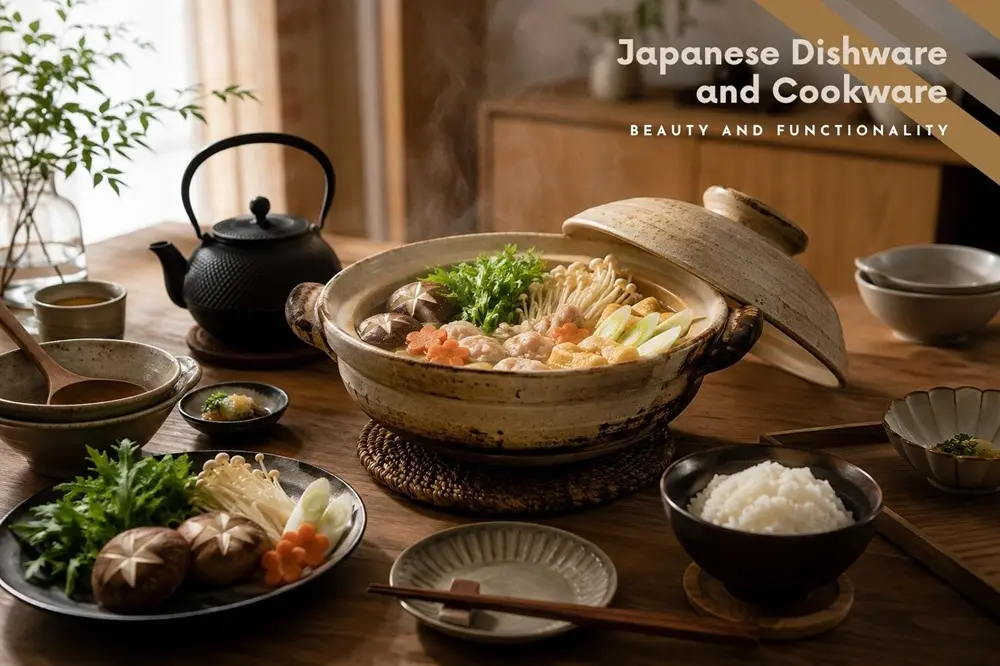
In the previous article, Japanese dishware was explored through its diversity of shapes, materials and artistic expressions. From the choice of ceramic and wood to the proportions of individual vessels, Japanese tableware demonstrates how beauty and function can coexist in everyday dining.
The same philosophy extends beyond the dining table and into the kitchen. Japanese cookware is shaped not only by its appearance, but also by a deep understanding of materials, heat and cooking techniques. Clay pots and cast iron vessels, for example, are valued for their ability to retain and distribute heat, while their natural surfaces develop character through continued use.
From porous clay pots that retain warmth long after cooking to cast iron cookware that can be passed down and used for generations, these traditional tools demonstrate how thoughtful material selection can enhance both performance and aesthetics. Their qualities also remain relevant to modern homes in Singapore and Southeast Asia, where communal dining, compact kitchens and an appreciation for thoughtful interior design continue to influence how kitchens are used.
Beyond the Plate: The Art and Performance of Japanese Cookware
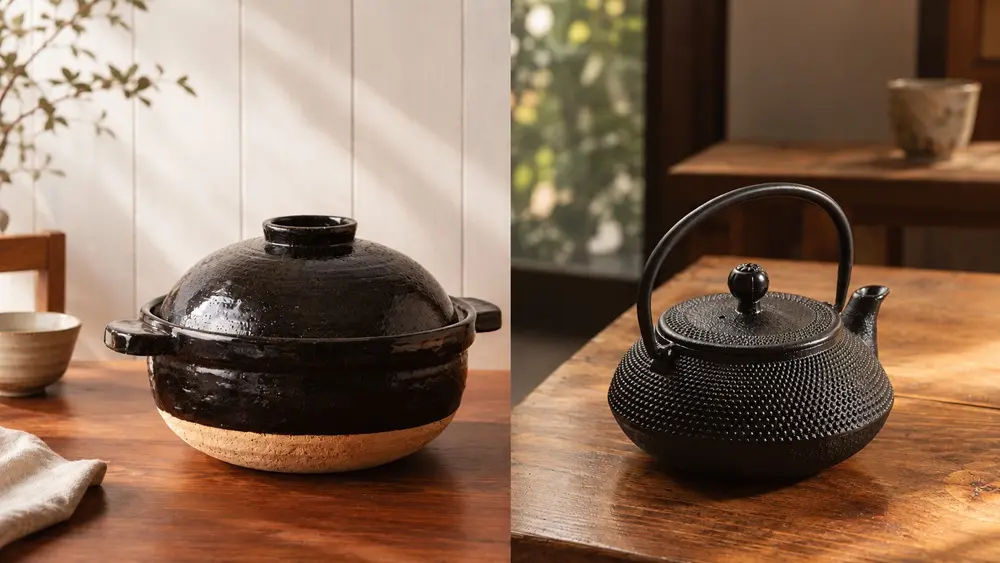
Japanese cookware has evolved alongside the country's dining culture, with traditional vessels designed to do more than simply contain and heat food. Their materials are carefully selected according to how they interact with heat, moisture and ingredients.
This creates a distinction between standard utilitarian cookware and traditional Japanese vessels. While a conventional pot may be designed primarily for efficiency and durability, Japanese cooking utensils also place importance on the characteristics of the materials used. From earthenware pots to cast iron cookware, these material properties can influence the cooking process and, ultimately, the texture, flavorr and overall result of a dish.
Clay, for instance, heats gradually and retains warmth, while cast iron provides excellent heat retention and stable cooking temperatures. These characteristics can influence everything from the texture of rice to the depth of a simmered broth.
There is also an aesthetic dimension rooted in the beauty of aging. Traditional cookware often features simple forms and natural finishes that develop greater character through use, allowing each piece to transition seamlessly from the kitchen to the dining table. Rather than being hidden away after cooking, these vessels can become part of the presentation.
This approach has particular relevance in Singaporean homes, where communal dining remains an important part of everyday life. Steamboats and claypot rice, for example, are valued not only for their flavors but also for the way they bring people together around a shared vessel. Heat-retaining cookware helps keep food warm throughout the meal, creating a natural affinity with Japanese clay pots and cast iron.
In this context, a Japanese cooking vessel can connect preparation, presentation and dining in a single object, supporting the warmth and conviviality of a shared meal.
The Mastery of the Donabe: The Timeless Japanese Clay Pot
Earthenware pots have long been familiar cooking utensils on Japanese dining tables. Among the most distinctive is the donabe, a traditional Japanese clay pot valued for its heat-retaining qualities and versatility.
The name donabe refers to an earthenware pot, traditionally made from clay and used for a variety of cooking methods. It is perhaps most closely associated with nabe, where ingredients are simmered together in a hot broth and shared directly from the pot.
Yet the donabe is more than a vessel for holding heat. Its clay construction influences how heat reaches the ingredients, making it an example of how Japanese craftsmanship considers the relationship between material and cooking technique.
Understanding the Science of the Japanese Clay Pot
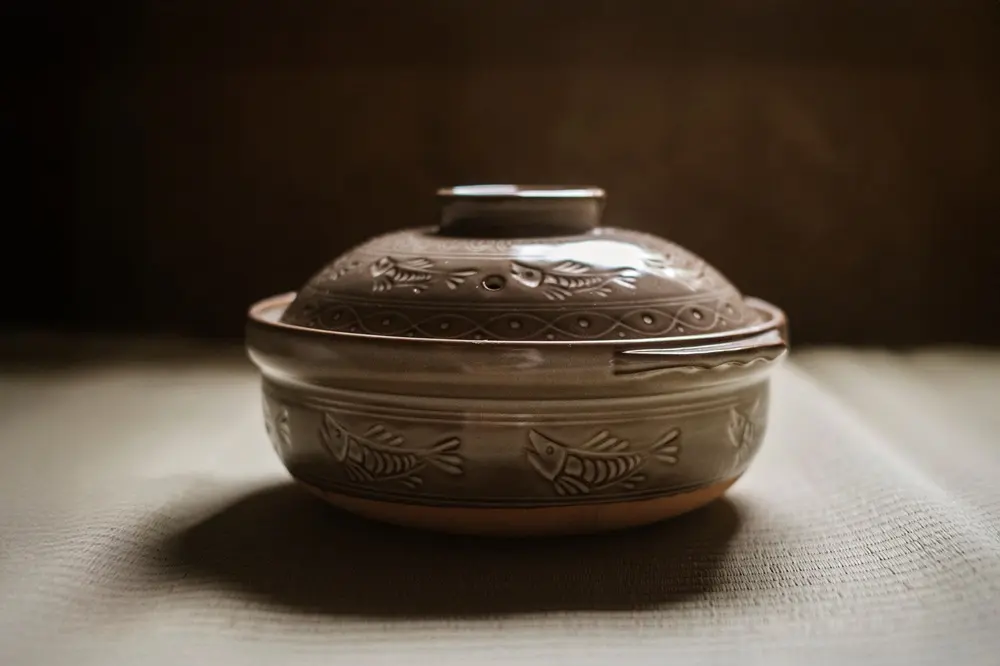
Traditional donabe are associated with pottery traditions such as Iga ware and Banko ware, each known for distinctive clays and production techniques.
One important characteristic of the clay used in many donabe is its porous structure. The tiny pores within the material allow the pot to respond gradually to heat, while its thick walls help retain heat for an extended period.
This creates a gentle and relatively even cooking environment. Rather than reacting immediately to changes in the heat source, the clay absorbs and releases heat progressively.
Such properties make the donabe well suited to dishes that benefit from steady cooking. Hot pot broths can remain warm for longer at the table, while rice, soups and simmered dishes can be prepared under consistent heat.
The result demonstrates how the choice of vessel can play an important role in the cooking process, influencing not only temperature but also the final texture and character of a dish.
Culinary Versatility and the Communal Dining Experience
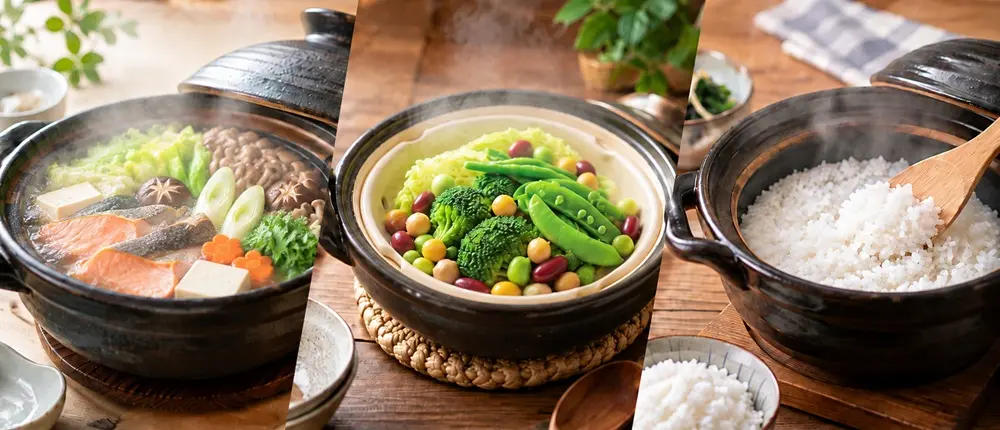
The donabe's versatility extends well beyond traditional hot pot dishes.
Depending on its design, a donabe can be used for steaming vegetables, simmering soups and stews, and cooking rice. Rice prepared in a clay pot is particularly appreciated for its aroma and texture, with the gradual heating process helping the grains cook evenly.
Its ability to retain heat also makes the donabe naturally suited to communal dining.
Once cooking is complete, the vessel can be brought directly to the table without transferring the dish to another serving container. The pot therefore becomes part of the presentation while helping maintain the temperature of the food.
For Singaporean households, this experience has an immediate familiarity. Like a steamboat or claypot rice dish placed at the centre of the table, a donabe encourages diners to gather around a shared meal.
Its organic surface and understated form further contribute to the dining setting, adding visual interest without relying on elaborate decoration.
Japanese Ironware: The Strength and Subtle Grace of Cast Iron
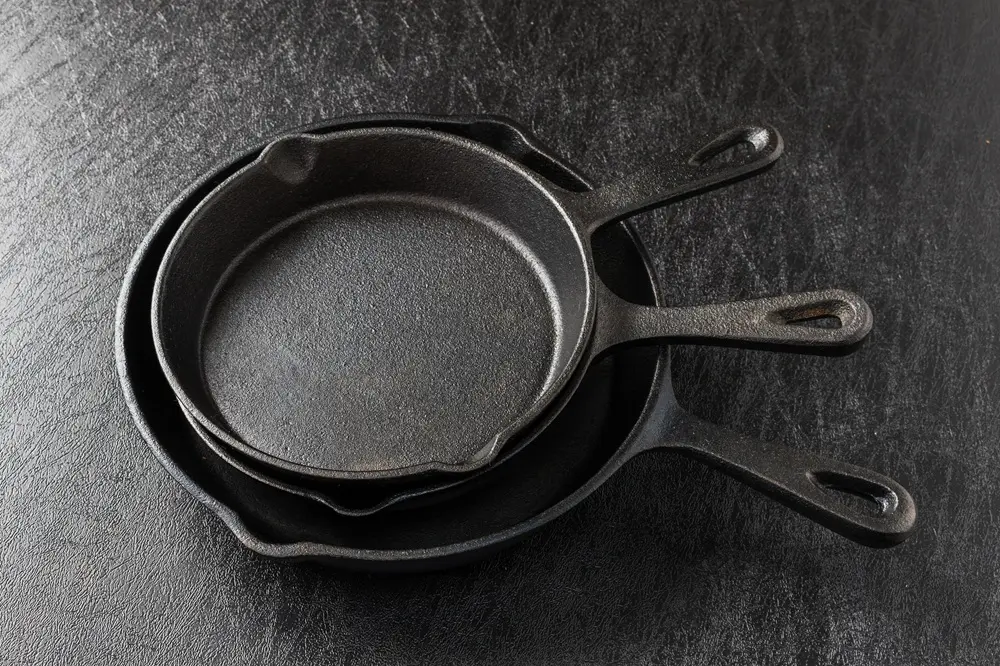
Moving from clay to iron reveals another side of traditional Japanese cookware.
Cast iron is valued for its strength, durability and ability to retain heat. Its substantial weight allows it to absorb and hold warmth, supporting cooking methods that benefit from stable temperatures. At the same time, cast iron can be shaped and finished with considerable refinement, demonstrating that functionality does not have to come at the expense of visual appeal.
Nambu tekki (Nambu ironware) is one of Japan's representative traditional crafts made from cast iron. Originating in Iwate Prefecture, it is renowned for its durability, heat-retaining qualities and detailed craftsmanship.
Traditional Nambu ironware often features restrained silhouettes, textured surfaces and intricate patterns inspired by nature. These details give each piece a distinctive presence while preserving the practical qualities of cast iron. The result is cookware that is robust enough for everyday use while retaining the considered appearance of a crafted object.
Functional Benefits and Nutritional Value
Cast iron is valued for its ability to retain and distribute heat, making it particularly effective for cooking methods that require stable temperatures.
Once heated, the material holds warmth for an extended period, making it suitable for searing, frying and simmering. This allows ingredients to cook at a relatively consistent temperature while helping retain heat when food is brought to the table.
Ironware is also associated with the release of small amounts of dietary iron into food and water. The amount can vary depending on factors such as cooking time, ingredients and the condition of the cookware, so it is best considered a potential dietary contribution rather than a replacement for dietary sources of iron.
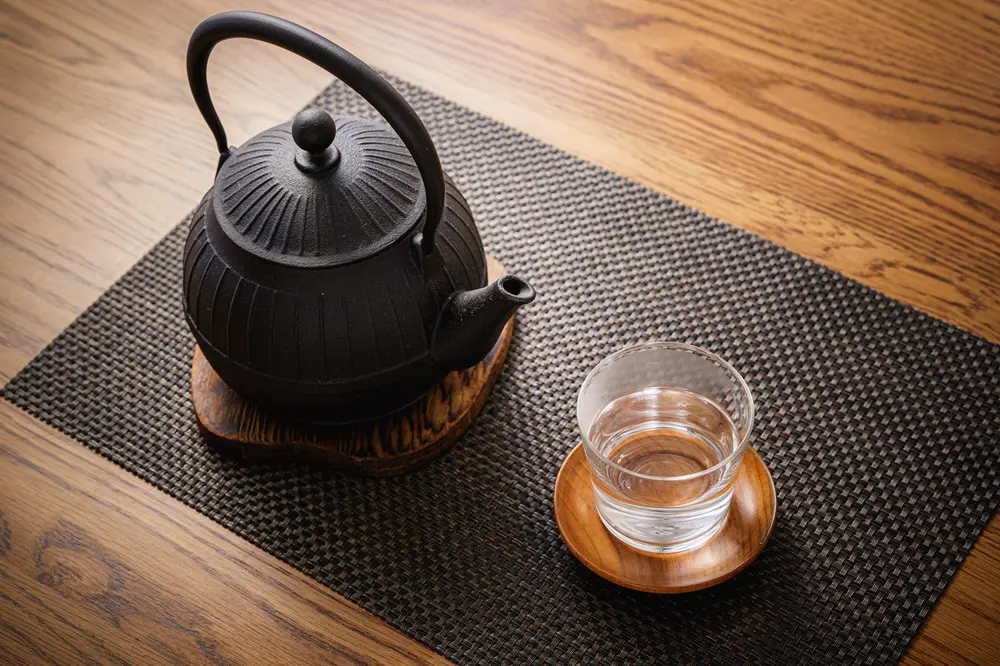
This same material is used in traditional Japanese iron kettles, or tetsubin. Boiling water in an iron kettle can subtly influence its taste, with many users appreciating the smoother flavor.
For those who enjoy drinking hot water in the morning, an iron kettle can turn a simple daily habit into an opportunity to experience the qualities of traditional Japanese craftsmanship. The combination of heat, water and iron creates a quiet ritual that fits naturally into modern life.
The Beauty of Aging: Cultivating a "Patina"
Another defining characteristic of cast iron is the way its appearance can evolve through use.
With proper care and seasoning, the surface can gradually develop a protective patina. Rather than maintaining a perfectly uniform appearance, the cookware changes subtly over time, reflecting the frequency and manner in which it is used.
This gradual transformation gives each piece of cast iron an individual character. A piece that has been used for years can look noticeably different from a new one, turning the signs of regular use into part of its visual identity. In Nambu ironware, this ageing process exists alongside the craftsmanship of the original piece, allowing the material and the maker's work to develop together over time.
There is also a sustainability perspective to this approach. Choosing cookware that can remain functional for many years reduces the need for frequent replacement and encourages a more considered approach to consumption.
Rather than replacing kitchenware as styles change, durable pieces can be maintained and used for the long term. With proper care, Nambu ironware can remain in a household for decades, potentially becoming an heirloom passed from one generation to the next.
Innovation Meets Tradition: The Evolution of Modern Cookware
Traditional clay and cast iron cookware demonstrate the qualities of natural materials, while modern kitchens have adapted some of these principles for greater convenience and precision.
Japanese rice cookers are a clear example. Many high-end models use specially engineered inner pots made with materials such as clay, ceramic or heavy cast metals, including iron. These materials help create the strong, even heat traditionally associated with cooking over a flame.
Combined with precise temperature control and automated programmes, they can reproduce some of the texture, aroma and flavor of traditionally prepared rice without requiring constant attention.
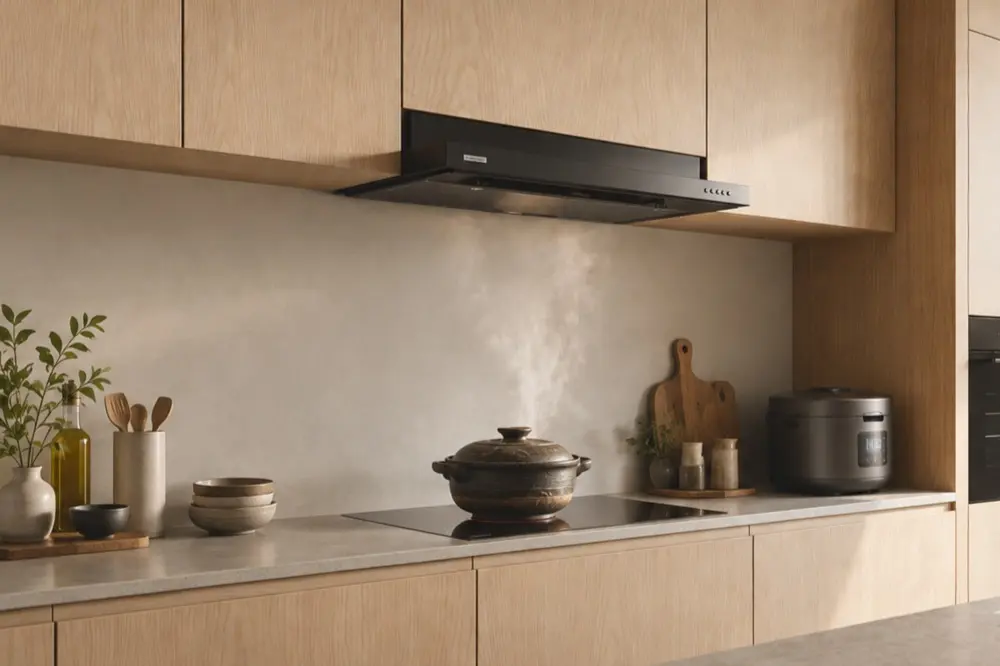
Traditional cookware has also become more adaptable to contemporary cooking surfaces. While earthenware and cast iron vessels were historically associated with gas stoves and direct flames, some versions are now designed for induction cooktops. This allows households with induction kitchens to use traditional materials without changing their existing cooking setup.
Emulating Traditional Clay and Cast Iron in Modern Tech
The inner pot is central to many Japanese rice cookers. Some use clay, ceramic or heavy cast metals such as iron to recreate the strong, even heat of traditional flame cooking.
Combined with precise temperature control and automated programmes, these materials create a stable cooking environment that helps reproduce the texture, aroma and flavor of traditionally prepared rice.
Rather than replacing traditional craftsmanship, this technology applies its underlying principles in a convenient modern appliance.
Balancing Busy Lifestyles with Culinary Excellence
For busy professionals, these modern adaptations offer a practical way to enjoy food prepared with traditional cooking principles.
Programmable rice cookers can handle the cooking process automatically, while modern heat-retaining cookware can be used for soups, stews and one-pot meals that require relatively little active preparation.
This can be particularly useful in Singapore, where compact kitchens and busy schedules often call for cooking methods that make efficient use of both time and space.
Rather than spending hours monitoring a pot, modern technology can take care of repetitive cooking steps while still allowing traditional ingredients, flavors and techniques to remain part of everyday meals.
Elevating Your Kitchen Aesthetic with Functional Art
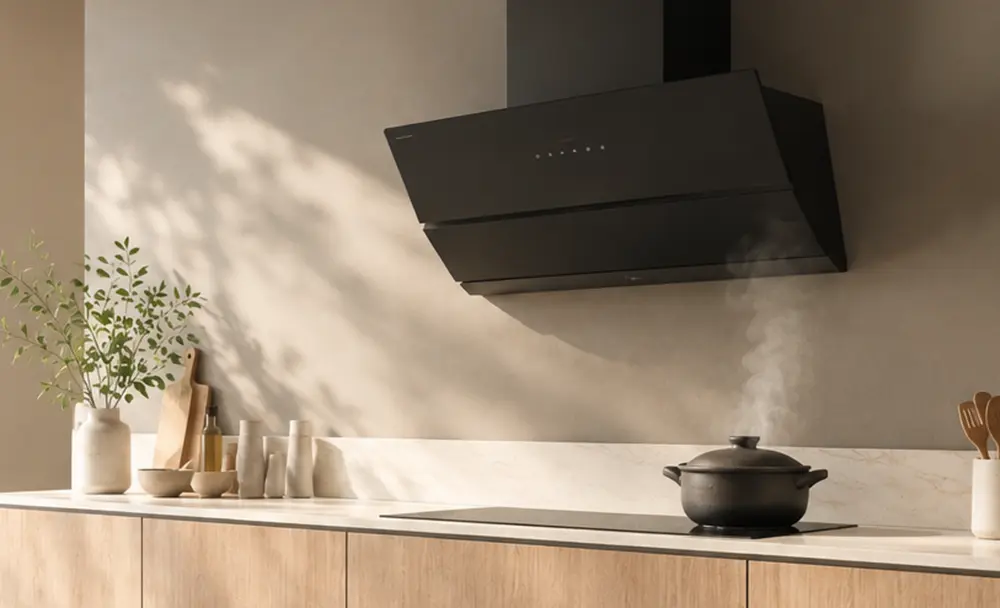
Japanese cookware demonstrates that practical kitchen objects can also contribute to the overall aesthetic of a home.
Its minimalist forms, natural textures and restrained finishes complement contemporary interiors, particularly spaces influenced by Japandi design. Instead of adding decorative objects purely for visual appeal, traditional cookware can introduce texture and character while continuing to serve a practical purpose.
This approach is especially relevant to open-concept kitchens, where everyday kitchenware can remain visible from the dining or living area.
Cookware that moves directly from the stove to the dining table can also reduce visual clutter. Fewer vessels are needed for serving, allowing individual pieces to fulfil multiple roles while maintaining a cohesive setting.
Selecting Statement Pieces for Open Kitchens
For open-concept kitchens, cookware can be selected with both performance and appearance in mind.
A donabe with an organic clay finish can complement timber, stone and neutral cabinetry, while the darker, textured appearance of Nambu ironware can create contrast against lighter materials.
Pieces that can be used for both cooking and serving are particularly practical. A donabe used to prepare and serve a hot pot, for example, becomes a natural centrepiece during a communal meal.
Traditional Japanese cookware can also be paired with refined Japanese dishware to create contrast between textures. The rugged surface of cast iron or the organic finish of clay can sit comfortably alongside smooth ceramic plates and bowls.
Rather than requiring every piece to match, combining different materials allows each object to retain its individual character while contributing to a cohesive table setting.
Mindful Care as a Daily Ritual
Natural cookware requires careful maintenance, but this can become part of its appeal.
For a new donabe, medome is a traditional preparation process in which rice and water are cooked together to create a starch coating within the porous clay. Proper drying after use is also important to help protect the vessel and prolong its lifespan.
Cast iron requires a different type of care. Thorough drying helps prevent rust, while appropriate seasoning and oiling can help maintain the surface and cooking performance.
These practices may require more attention than caring for some modern cookware, but they also encourage a more mindful relationship with everyday objects. Understand the material, notice how it changes and ensure that it continues to perform well.
In this way, caring for cookware is not simply about preserving its appearance. It is also about extending its useful life and appreciating the craftsmanship behind it.
From Cooking Vessel to Everyday Craftsmanship
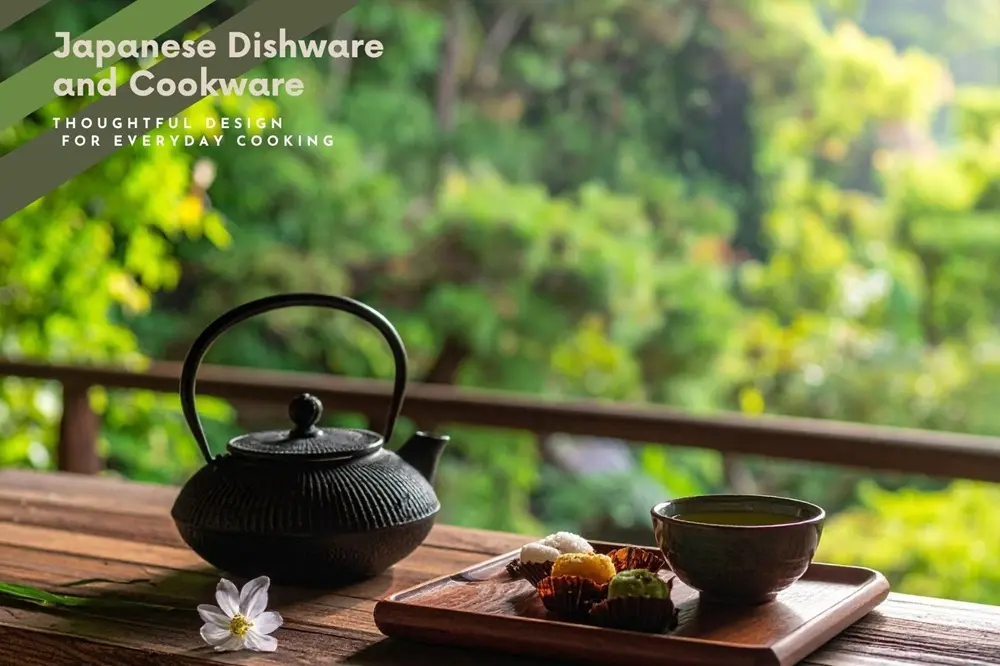
Japanese cookware extends the philosophy of Japanese dishware from presentation to preparation. Donabe uses clay's gradual heating and heat retention, while ironware offers strength and stable temperatures. Modern appliances adapt these qualities for contemporary kitchens.
For Singaporean households, this balance of heritage and practicality suits communal dining, compact spaces and more considered consumption. Ultimately, Japanese cookware shows how thoughtful materials and design can make cooking more efficient while enriching everyday rituals.
*Some of the images featured in this article were created using generative AI.