

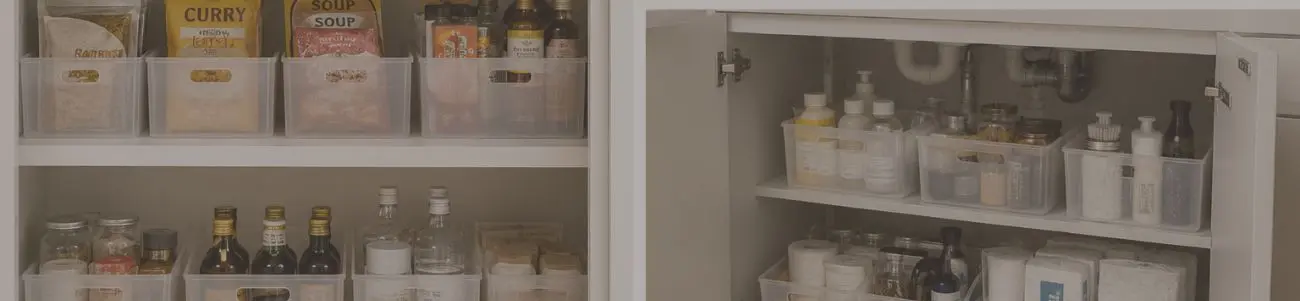
Space Saving Kitchen: 8 Japanese Storage Tips for a Modern, Tidy Home
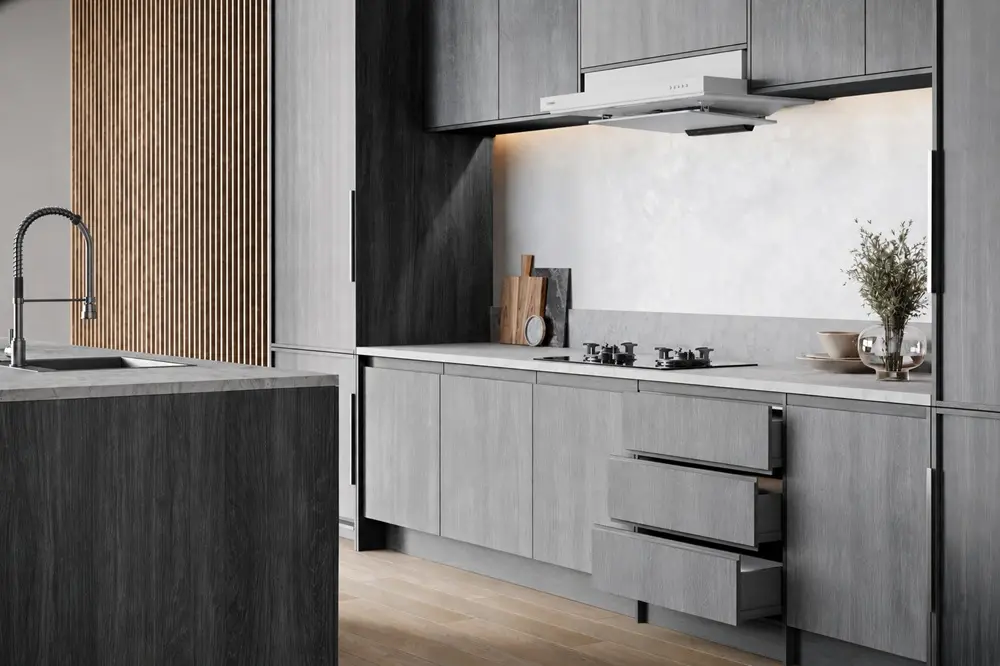
Modern kitchens are often expected to balance functionality, storage, and comfort within increasingly compact spaces. Without thoughtful organization, limited layouts and growing appliance collections can quickly lead to clutter and inefficiency.
Japanese kitchens are widely admired for their ability to remain organized, functional, and visually calm despite smaller footprints. Shaped by urban living, they prioritize efficient storage, vertical space utilization, and practical zoning to maximize usability while maintaining a clean aesthetic.
More than simply adding storage, the Japanese approach focuses on thoughtful organization habits and furniture solutions that support smoother daily routines. In this guide, we explore practical Japanese storage ideas, smart space saving furniture, and organizational habits that can help create a more functional and tidy kitchen.
What is a Space Saving Kitchen? The Japanese Approach
A space saving kitchen is designed to maximize functionality within a limited footprint. Rather than relying on large floor areas, it emphasizes efficient layouts, strategic storage placement, and thoughtful organization systems that reduce clutter while improving workflow.
Japanese kitchens are widely regarded as a reference point for efficient layout planning and storage design in compact homes. Developed in response to the realities of urban living, they make effective use of vertical space, integrated storage, and carefully planned zones to support everyday cooking and cleaning tasks.
Japanese kitchen design also places strong emphasis on maintaining visual calm. A tidy environment is viewed as part of creating a more comfortable and balanced home, which is why storage solutions are often designed to conceal clutter while remaining highly functional.
For a deeper look into the principles behind Japanese kitchen organization and zoning strategies, explore Smart Kitchen Storage Guide.
The Philosophy Behind a Modern Japanese Kitchen
Japanese kitchens are designed around the idea that even compact spaces can feel highly functional, organized, and comfortable when storage, movement, and daily habits are carefully considered.
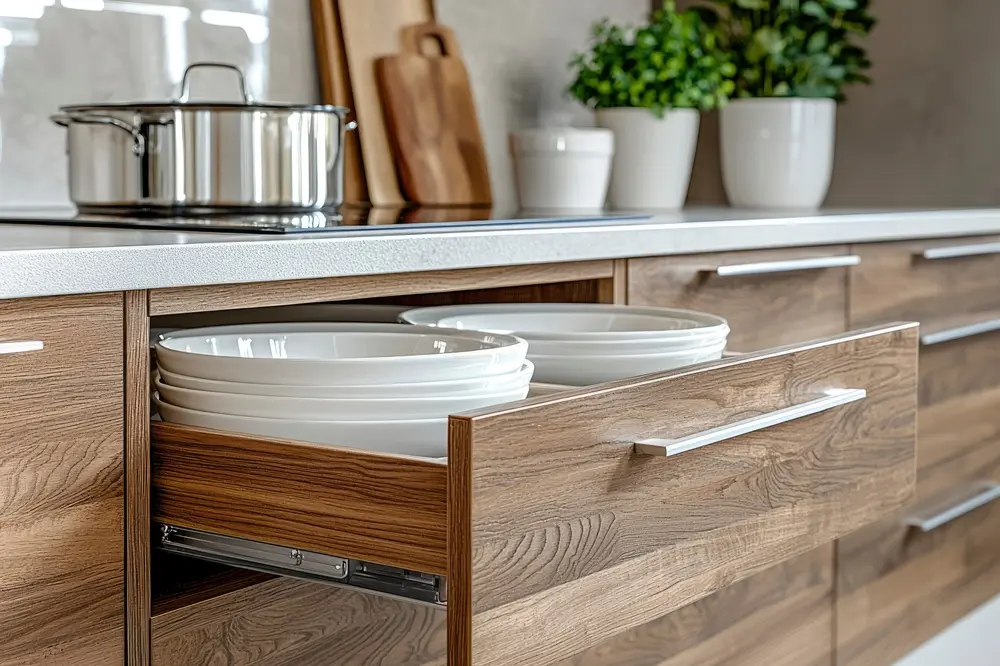
Limited Footprint, Maximum Efficiency
Japanese kitchens are often designed within compact urban homes, requiring layouts that prioritize efficiency above excess. Storage solutions are carefully selected to improve movement, accessibility, and ease of cleaning without overcrowding the space.
The Culture of Separating and Organizing by Category
A key Japanese organizational habit involves first separating items into categories, then further organizing within each category. Cooking utensils, spices, cleaning supplies, food storage containers, and pantry items are each assigned dedicated zones to reduce visual clutter and simplify daily use.
Vertical Thinking: Floor to Ceiling
Rather than expanding outward, Japanese kitchens maximize vertical space. Tall cabinets, overhead storage, wall-mounted racks, and stacked organizers help utilize underused areas while keeping countertops clear and functional.
Functional Zoning and the "Golden Area"
Modern Japanese kitchens also follow zoning principles that position frequently used items within the most accessible range, sometimes referred to as the "Golden Area." Combining zoning with smart storage placement improves workflow and minimizes unnecessary movement during cooking and cleaning.
8 Space Saving Kitchen Furniture & Storage Ideas
Thoughtfully selected storage furniture helps maximize every part of the kitchen, transforming compact layouts into spaces that feel more organized, efficient, and comfortable for everyday use.
1. Pull-out Drawers
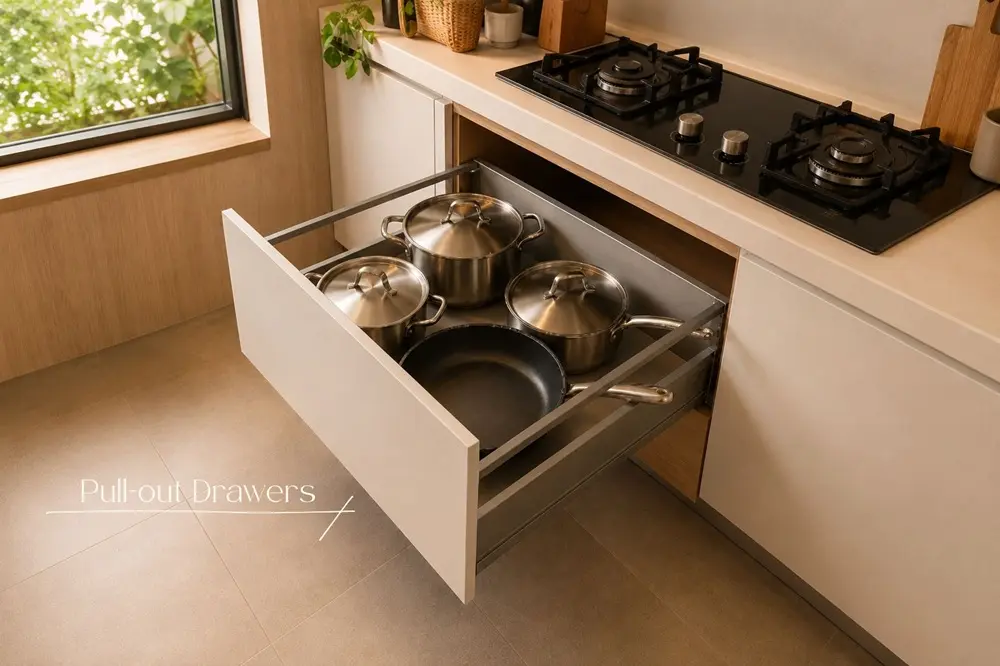
Pull-out drawers are among the most effective ways to improve accessibility in lower kitchen cabinets. Unlike traditional shelves where items can become difficult to reach at the back, pull-out drawers allow the entire storage compartment to slide outward, providing full visibility and easier access to stored items.
They are commonly used in base cabinets, under-sink cabinets, and under-stove zones. Under-sink drawers can be designed around plumbing fixtures while still creating practical storage for cleaning supplies, dishwashing tools, and household essentials. Under-stove drawers are particularly suitable for storing heavier cookware such as pots, pans, and lids, keeping them within easy reach during cooking.
Pull-out drawers are also ideal for storing everyday dishes, bowls, cups, and glassware. Because items can be viewed from above at a glance, it is easier to locate what is needed and return items to their designated place after use.
Many modern drawer systems can also be fitted with dividers and inserts, allowing cookware, tableware, and utensils to be organized more efficiently. By improving visibility and accessibility, pull-out drawers help create a kitchen that is easier to use, organize, and maintain.
2. Pull-out Cabinets
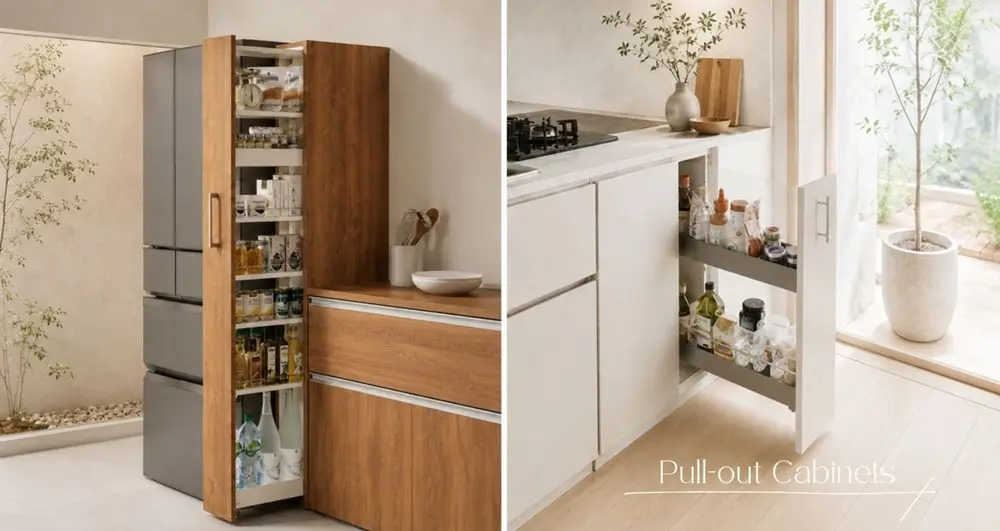
Pull-out cabinets are a popular storage solution in Japanese kitchens, particularly for narrow spaces that might otherwise be difficult to use efficiently. Unlike drawers, the entire cabinet unit slides outward, allowing items stored at the back, as well as those positioned on higher or lower shelves, to remain clearly visible and easily accessible.
In Japanese system kitchens, narrow pull-out cabinets are often installed beside the stove and used as dedicated spice racks, keeping seasonings, oils, and cooking essentials within easy reach while preparing meals.
Freestanding or retrofit pull-out cabinets are also commonly used for storing food items, bottled drinks, condiments, and pantry supplies. Because the entire cabinet extends outward, users can quickly see and access stored items without searching through deep shelves.
The main advantages of pull-out cabinets are their ability to maximize otherwise unused space and improve visibility throughout the storage area. As a result, they are particularly well suited to compact kitchens where efficient use of every centimeter is important.
3. Corner Storage Solutions
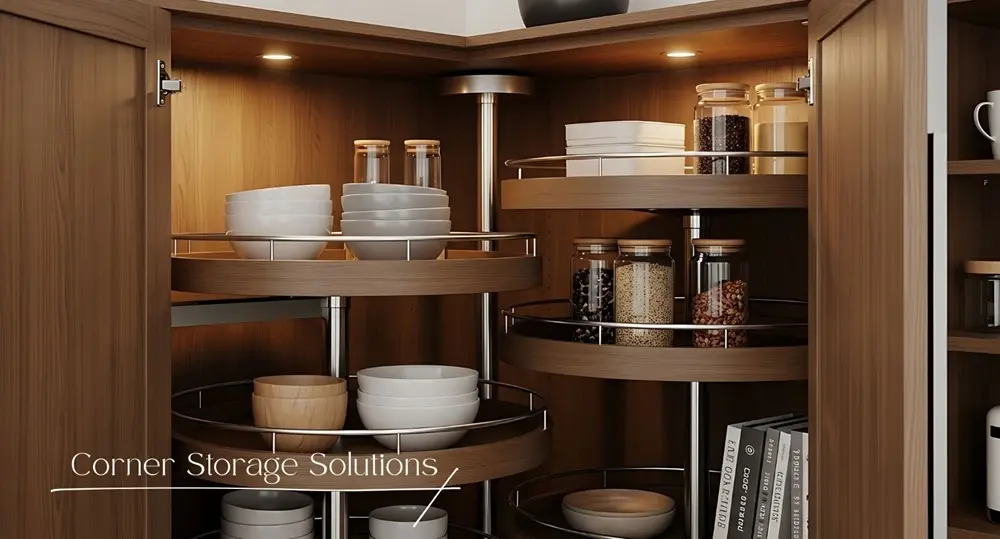
Kitchen corners are often one of the most difficult areas to organize effectively, especially in L-shaped kitchens and island layouts where deep cabinet spaces can easily become inaccessible. Japanese kitchen design addresses this issue with specialized corner storage systems that improve visibility and eliminate wasted space.
A popular solution is the Lazy Susan, a rotating circular tray system installed inside corner cabinets. By spinning the shelves outward, stored items such as condiments, cookware, or pantry ingredients become easier to access without reaching deep into the cabinet.
Another advanced option is the Magic Corner, a pull-out mechanism where shelves extend outward when the cabinet door is opened. This system allows items stored deep within the corner to slide forward smoothly, maximizing usability while maintaining a clean cabinet appearance.
L-shaped drawers are also commonly used in modern kitchens to follow the natural shape of the corner cabinet itself, creating more practical storage for larger cookware and appliances.
These systems help transform traditionally awkward corners into highly functional storage zones while maintaining smooth kitchen workflow.
4. Pantry Zone
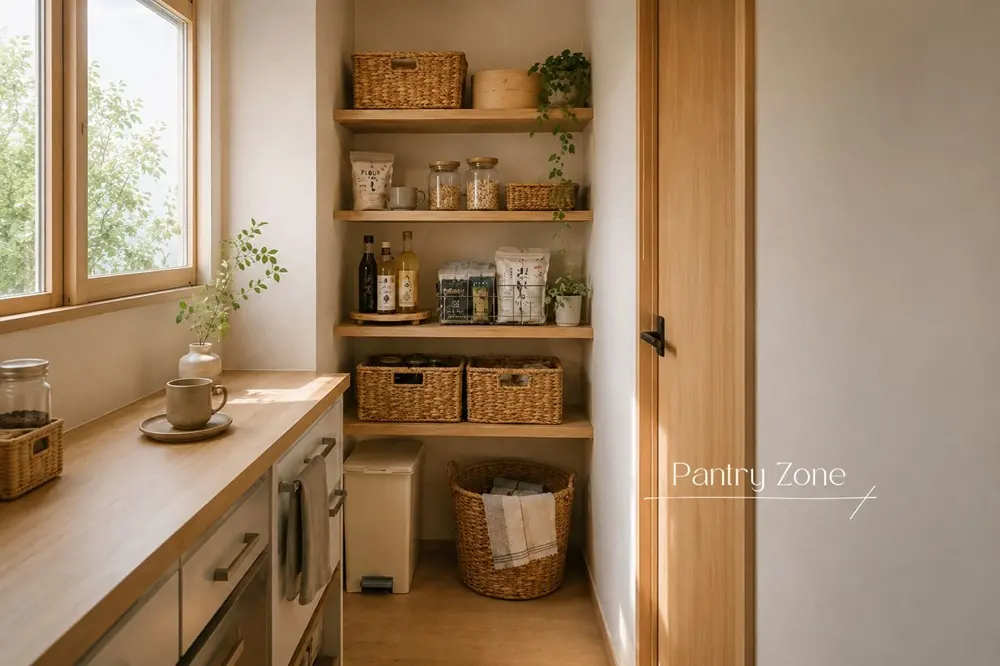
A well-designed pantry zone is a defining feature of many modern Japanese kitchens. Instead of spreading food storage across multiple cabinets, pantry items are consolidated into organized vertical zones that improve visibility and accessibility.
Floor-to-ceiling pantry cabinets maximize vertical storage while reducing countertop clutter. Pull-out baskets, transparent plastic cases, and subdivided shelving systems help keep smaller items visible and easy to retrieve, even on higher shelves.
One popular approach is a walk-in pantry installed as a separate room adjacent to the kitchen. When space permits, this solution provides generous storage for food, appliances, cookware, and household supplies while keeping the main kitchen free from visual clutter.
For homes with a smaller footprint, a pantry integrated into the kitchen behind doors is a common alternative. Although more compact, this type of pantry can still provide substantial storage while maintaining a neat appearance when closed. Floor-to-ceiling shelving is often used to maximize vertical space and keep items organized by category.
Another practical option is an open pantry positioned within the kitchen but outside the direct sightline of the dining area or living space. By locating storage where it is not immediately visible, homeowners can maintain a clean and uncluttered appearance while enjoying quick access to frequently used items. The absence of doors also makes it easier to retrieve ingredients and supplies during meal preparation.
5. Appliance Storage
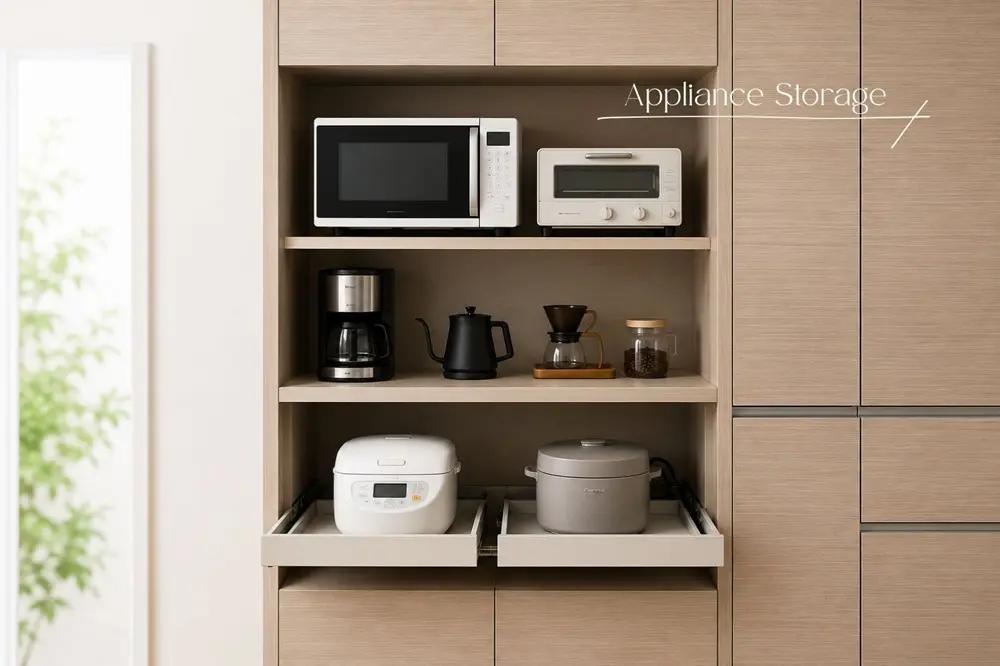
Modern Japanese kitchens may include dedicated appliance storage to keep countertops clean and visually uncluttered. Commonly stored appliances include microwaves, toasters, rice cookers, coffee makers, and electric kettles.
One popular solution is a cabinet system with open shelves or pull-out trays sized specifically for kitchen appliances. This allows appliances to remain easily accessible while still being neatly organized within a designated zone rather than spread across the countertop.
Rice cookers require special consideration because they release steam during operation. By incorporating a storage space for a rice cooker with a pull-out shelf or tray, steam can be released properly by pulling the appliance forward during use. This helps prevent moisture from accumulating inside the cabinet while maintaining a tidy, integrated storage solution.
Cabinets with doors are also widely used for appliance storage. When closed, they instantly conceal appliances and cords, creating a cleaner and more organized appearance. This is especially useful in open-concept kitchens or when guests visit, as the space can be tidied quickly without needing to move appliances elsewhere.
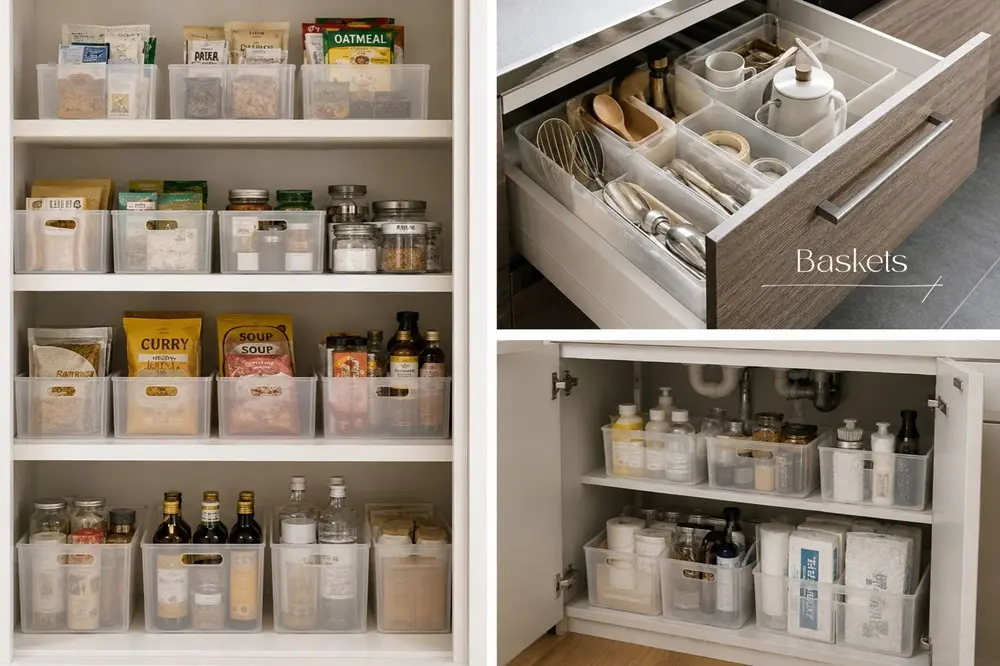
6. Baskets
Storage baskets help organize loose or irregularly shaped items that might otherwise create visual clutter. In Japanese kitchens, baskets are commonly used to group pantry goods, snacks, cleaning supplies, and kitchen accessories into clearly defined categories.
Wire baskets improve airflow for vegetables or dry goods, while plastic storage baskets are useful for grouping packaged foods or small cooking tools. Stackable variations further maximize vertical storage inside cabinets and pantry shelves.
In compact kitchens, baskets also help simplify visual organization by grouping similar items together within a single container. Open baskets provide quick access for everyday essentials, while concealed baskets inside cabinets create a cleaner overall appearance. Moisture-resistant plastic and coated wire baskets are particularly suitable for humid kitchen environments.
By assigning each basket a dedicated purpose, it becomes easier to maintain order and quickly identify where items belong.
7. Drawer Dividers & Inserts
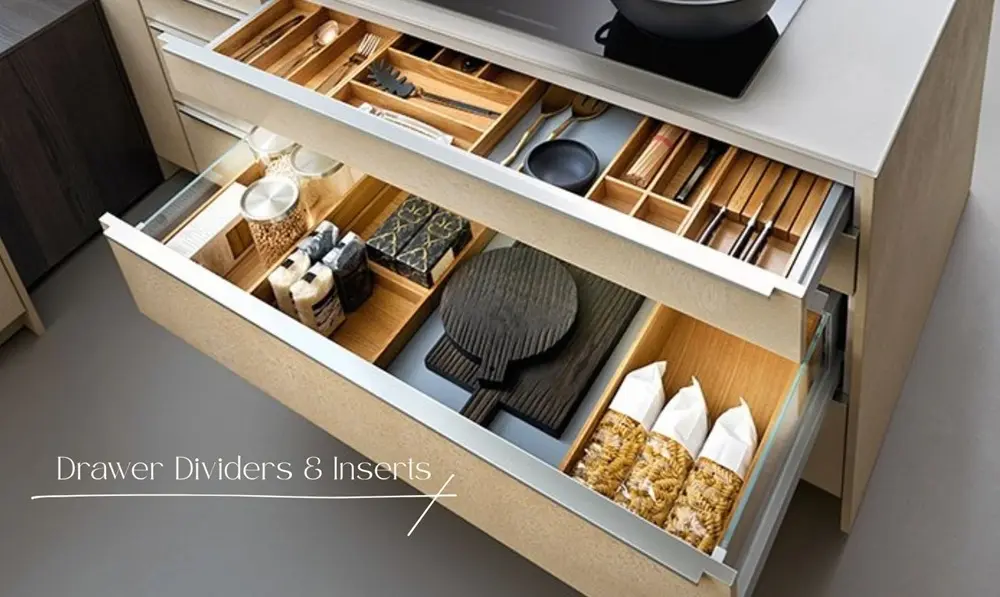
Japanese kitchen organization places strong emphasis on internal order, not just external tidiness. Drawer dividers and inserts help separate small items into designated sections, preventing drawers from becoming cluttered over time.
Cutlery drawers, utensil organizers, and spice drawer inserts are common examples. Drawer dividers are best suited for larger or mixed-size items because they can be adjusted to create custom compartments, while drawer inserts are ideal for smaller items that benefit from dedicated spaces, such as cutlery, cooking utensils, or spice containers. Together, they improve visibility, prevent items from shifting or overlapping, and make everyday cooking tasks more efficient.
The practice of organizing items by purpose and frequency of use, then dividing them into clearly defined sections, reflects the culture of tidiness often associated with Japanese daily life. This approach not only creates a neater appearance but also improves efficiency by making items easier to find and access.
8. Above-cabinet & Ceiling Storage
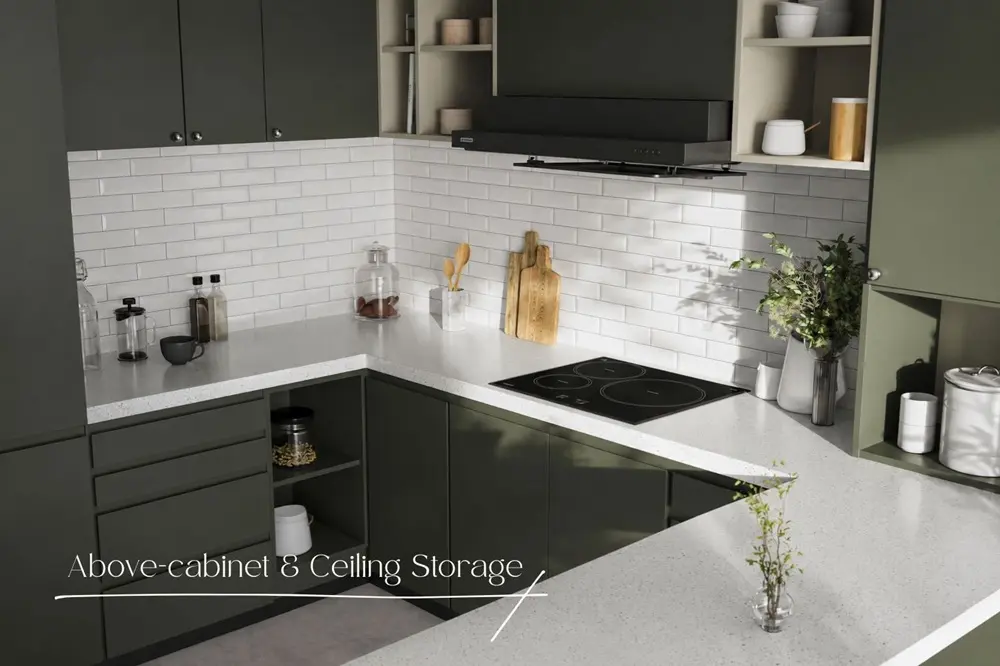
Upper storage zones are often overlooked in conventional kitchens, but Japanese kitchens frequently utilize overhead space to increase storage capacity without expanding the footprint.
Areas above wall cabinets can store seasonal cookware, guest tableware, or less frequently used appliances. Pull-down racks with handles make overhead storage more accessible while reducing the need for ladders or stools.
Overhead storage is particularly effective for low-frequency items that do not require daily access. By relocating these items upward, lower cabinets and primary work zones remain less crowded and visually cleaner.
By maximizing vertical space, Japanese kitchens maintain a more open and organized environment despite limited floor area.
Smart Japanese Kitchen Gadgets for a Space Saving Kitchen
Beyond cabinetry and furniture, compact multi-functional gadgets also play a major role in Japanese kitchen efficiency. These tools are designed to reduce clutter while maximizing versatility within smaller spaces.
Compact & Multi-functional Gadgets
Folding colanders and collapsible strainers can be stored flat when not in use, helping reduce drawer congestion. Stackable food containers minimize wasted cabinet space while improving pantry organization.
Nesting bowl sets, especially multipurpose designs with integrated draining holes, can function as both mixing bowls and colanders to reduce the number of separate tools required.
Slim rice cookers and combination appliances are also popular in Japanese kitchens because they provide multiple functions without occupying excessive countertop space.
These compact solutions complement larger storage systems by reducing the overall number of items competing for kitchen space.
Keeping a Space Saving Kitchen Clean: Japanese Cleaning Tips
A well-planned, space-saving kitchen gives every item a designated place, making it easier to maintain order on a daily basis. With fewer items accumulating on countertops and work surfaces, cleaning becomes quicker and more manageable, helping keep the kitchen neat and hygienic.
Japanese Cleaning Habits for an Organized Kitchen
The "One In, One Out" Rule
To prevent overcrowding, many households adopt the habit of removing an older or unused item whenever a new kitchen item is introduced. This helps maintain balance and prevents unnecessary accumulation.
Daily 5-Minute Reset Routine
A short daily reset at the end of the day can significantly reduce long-term clutter. Returning items to their designated zones, wiping countertops, and clearing sinks helps preserve an organized environment with minimal effort.
Cleaning as You Cook
The Japanese practice of cleaning while cooking helps prevent mess from building up during meal preparation. By washing utensils after use and wiping surfaces as you go, countertops remain clear and work areas stay organized. This creates more usable workspace, improves movement within the kitchen, and reduces the amount of cleaning required after the meal is finished.
Natural Cleaning Agents
Baking soda, vinegar, and citrus peels are commonly used as natural cleaning solutions for removing grease, odors, and buildup within kitchen spaces. These simple ingredients support regular maintenance without relying heavily on harsh chemicals.
Seasonal Deep Cleaning
Periodic deep cleaning helps reorganize storage areas, remove unused items, and maintain long-term efficiency. This seasonal reset also creates opportunities to refine storage systems based on changing household needs.
Creating a More Functional Kitchen Through Japanese Design
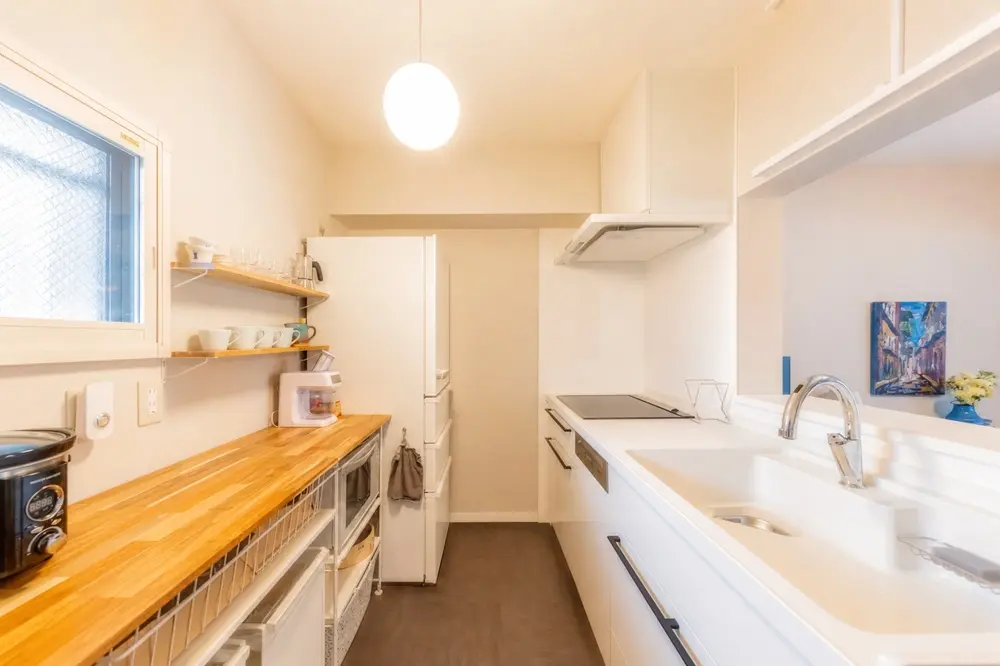
A truly space saving kitchen combines thoughtful storage planning, compact multi-functional tools, and consistent organizational habits. Japanese kitchen design demonstrates how even compact spaces can feel efficient, calm, and highly functional when every area is intentionally used.
By combining vertical storage, categorized organization systems, and daily cleaning routines, homeowners can create kitchens that are easier to maintain and more enjoyable to use. For more insights into Japanese kitchen organization principles, read Smart Kitchen Storage Guide.
A well-organized kitchen not only saves space, but also helps simplify routines, reduce stress, and create a more comfortable environment for everyday living.
*Some of the images featured in this article were created using generative AI.